

Key Takeaways
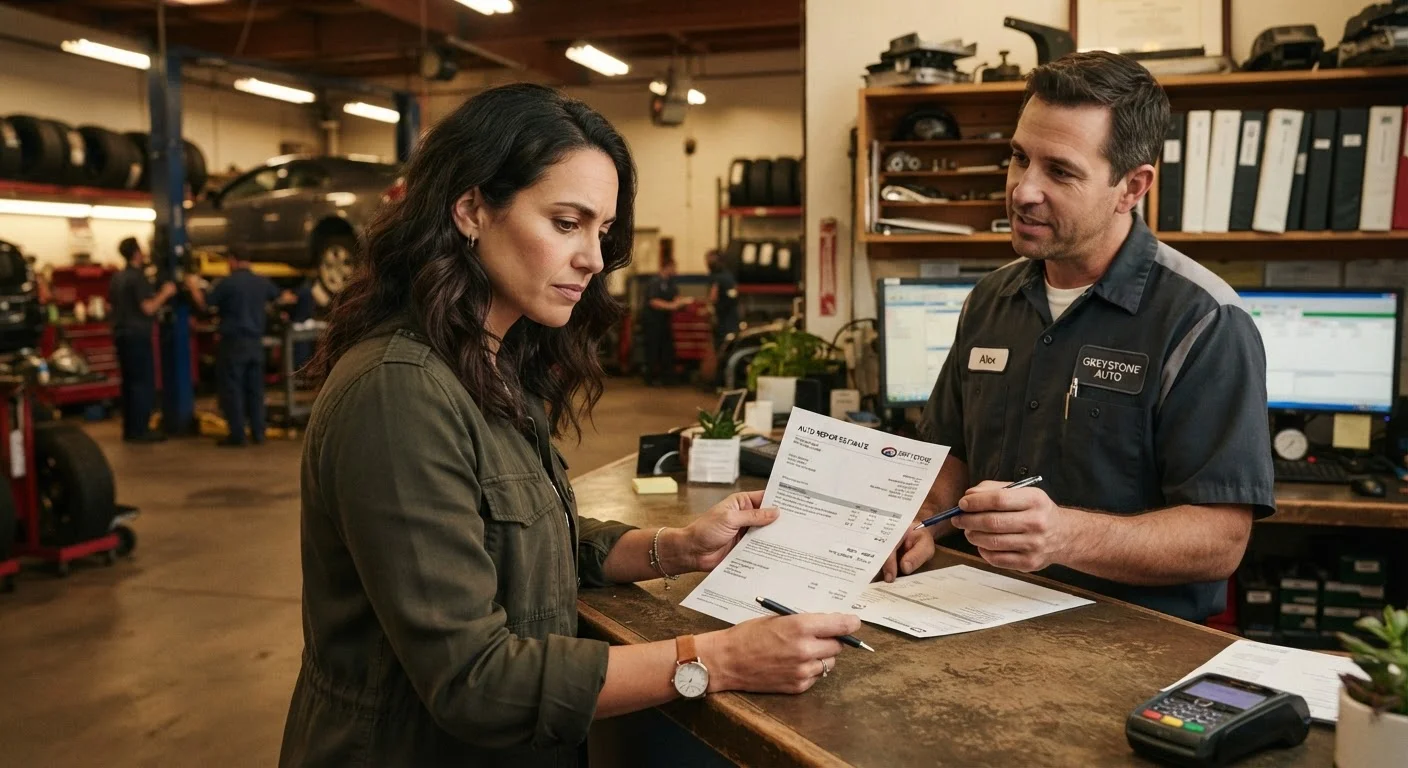
- Always request a written, itemized estimate before authorizing any repair work.
- Labor rates and parts markups vary widely; knowing typical ranges helps you spot outliers.
- Getting a second estimate is a standard, accepted practice - not a confrontational act.
- Understanding what drives up repair costs helps you ask better questions and negotiate confidently.
- A suspicious estimate doesn't always mean dishonesty - errors and inefficiencies are also common culprits.
What you will need
Why Repair Estimates Vary So Much
Auto repair pricing is not standardized, and that's by design. Labor rates alone can range from under $80 per hour at a small independent garage to over $200 per hour at a franchised dealership in a major metro area. Parts markups, shop overhead structures, and local market conditions all influence what ends up on a final estimate. Understanding these variables - rather than expecting a single "fair" price - is the most useful starting point for any car owner. As the real cost of owning a car makes clear, maintenance and repair spending is one of the most significant and least predictable ownership expenses, which makes knowing how to evaluate it genuinely important.
Keep a Simple Vehicle Repair Log
Recording every repair, its cost, and the mileage at the time creates a personal history that makes future estimates easier to evaluate. It also helps you track recurring issues that might signal a deeper problem. A basic spreadsheet or even a notes app works well for this purpose.
Price variation doesn't automatically indicate deception. A shop with higher overhead - better equipment, factory training, stronger warranty coverage - may legitimately cost more. The goal isn't to find the lowest number; it's to understand whether the number you're seeing reflects value or an unexplained premium. The cheapest option isn't always the most economical, and that applies to auto repair as much as any other purchase.
What the Steps Will Help You Do
The process below walks you through evaluating a repair quote methodically - from reading the document itself, to verifying labor and parts pricing independently, to having a productive conversation if something doesn't add up. You don't need mechanical expertise to follow these steps. You need a written estimate, a few minutes of research, and the confidence to ask direct questions.
What you will need
Once you've worked through an estimate, you'll also be better equipped to make the larger decision many owners eventually face: whether a repair is worth doing at all. A well-understood estimate is the starting point for the repair-versus-replace decision that comes with any aging vehicle.
Request a fully itemized written estimate
Before any work begins, ask for a written estimate that separates labor, parts, and any shop fees - not a single bundled total. In most US states, auto repair shops are legally required to provide a written estimate if you request one and if the repair cost exceeds a certain threshold. An itemized document lets you evaluate each charge on its own merits rather than reacting to a lump sum.
Verify the labor time against standard flat-rate guides
Most shops use flat-rate labor manuals - industry databases that specify how long a given repair should take on a specific vehicle. The billed hours should generally align with these published times. Search publicly available references or call a competing shop to ask how many hours a repair typically takes. If a shop is billing 4 hours for a job that flat-rate guides list at 2, that discrepancy warrants a direct question.
Compare parts pricing to market rates
Shops routinely mark up parts above their wholesale cost, and this is a normal and accepted business practice. A markup of 20-50% over dealer wholesale is common. However, markups significantly beyond that - particularly on common, widely available parts - are worth questioning. Look up the retail price of the exact part (using the part number if possible) to establish a reasonable baseline for comparison.
Identify and question any vague or bundled line items
Watch for charges labeled as "shop supplies," "environmental fees," or "miscellaneous" without clear explanation. Some of these fees are legitimate overhead costs; others are padding. Ask the advisor to explain each fee in plain terms. If a line item cannot be explained specifically, it's reasonable to request its removal or reduction.
Get a second estimate if the numbers still don't feel right
Requesting a second opinion is a standard consumer practice, not an accusation. Call or visit one or two other shops - ideally an independent mechanic and a dealership service center - and describe the same diagnosed problem. Choosing between a dealership and an independent mechanic can affect both price and approach, so comparing both types gives you a fuller picture. If multiple shops come in significantly lower, you have concrete data to bring back to the original shop.
Have a calm, specific conversation with the service advisor
If your research reveals a meaningful discrepancy, bring your findings to the service advisor - not as an accusation, but as a question. Reference the specific line items: "I looked up the flat-rate time for this repair and found it's typically listed around two hours - can you help me understand why three hours are billed?" Shops will often adjust estimates when customers demonstrate informed, respectful engagement. If a shop refuses to explain charges or becomes dismissive, that itself is useful information about whether you want to proceed with them.
When to Seek Professional or Legal Help
Most estimate disputes can be resolved through direct conversation. However, if a shop performs unauthorized work, charges significantly more than an authorized estimate, or refuses to return your vehicle without payment for work you didn't approve, you have formal options. Filing a complaint with your state's Bureau of Automotive Repair (or equivalent agency) creates an official record and often prompts a response. Small claims court is another avenue for substantiated billing disputes.
Know Your State's Auto Repair Consumer Rights
Most US states have specific consumer protection laws governing auto repair - including written estimate requirements, limits on unauthorized charges, and rules about returning replaced parts. The Federal Trade Commission and many state attorneys general offices publish summaries of these rights. Knowing them before you visit a shop puts you in a much stronger position.
Documentation is your most important asset in any formal dispute. Keep copies of every estimate, invoice, and written communication. Note dates and the names of any staff you spoke with. The more specific your records, the stronger your position - whether you're negotiating informally or filing a formal complaint.
This article is for general informational purposes only and does not constitute legal or financial advice. Consumer protection laws vary by state; consult your state's relevant regulatory agency or a licensed attorney for guidance specific to your situation.