

Key Takeaways
- Streaming subscriptions grant access to content, not ownership - shutdowns can eliminate that access immediately.
- Watchlists, viewing history, and user profiles are platform-specific data that rarely transfer to other services.
- Downloaded content for offline viewing typically stops working once a service shuts down, even if files remain on your device.
- Refunds for unused subscription periods depend on how and why a service closes, and are not guaranteed.
- Exclusive original content from a shuttered platform may become unavailable anywhere for an extended period.
- Keeping personal records of what you've watched helps preserve continuity across platforms.
Streaming Service Shutdown
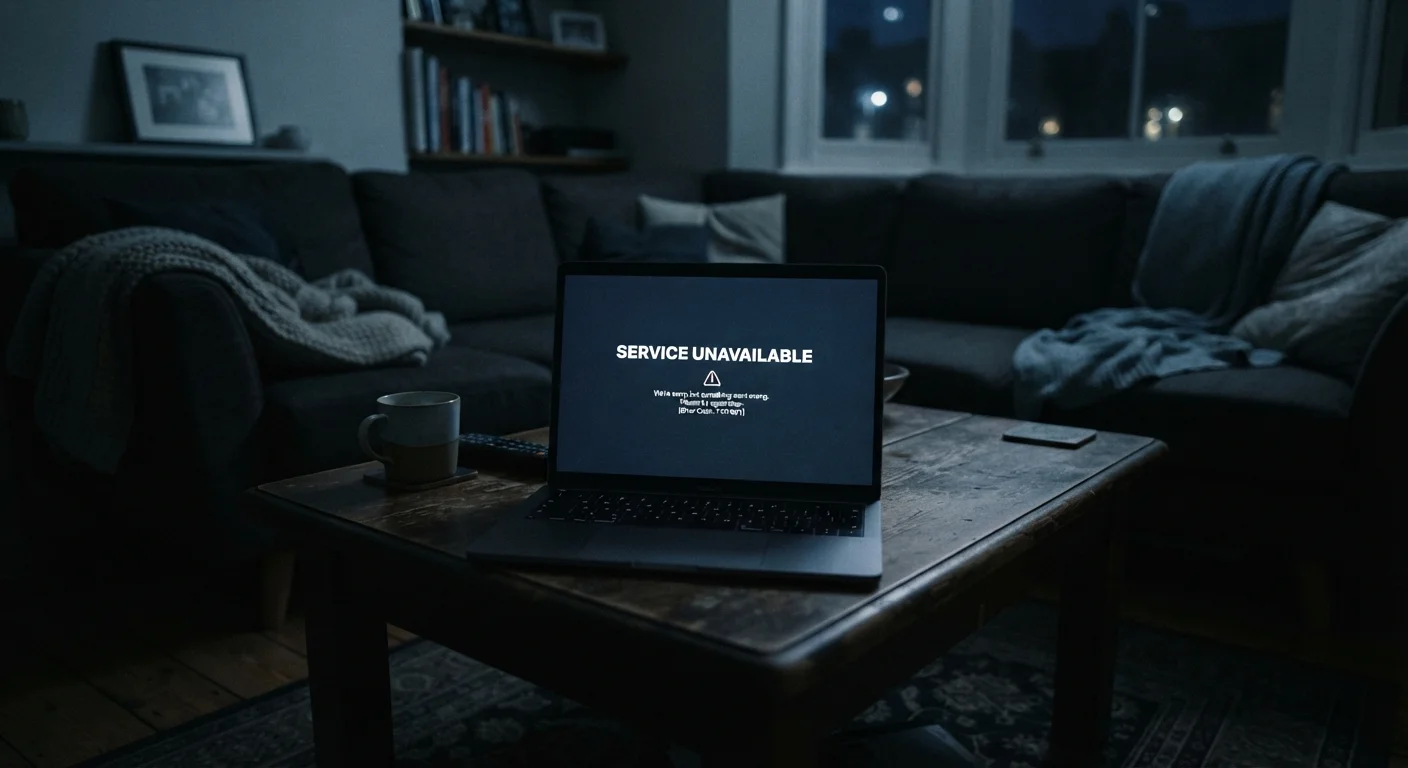
A streaming service shutdown occurs when a platform permanently closes, ending subscriber access to its content, accounts, and features. When this happens, users typically lose access to everything tied to that platform - including watchlists, viewing history, downloaded titles, and any content exclusive to that service. Unlike a physical DVD or Blu-ray, digital streaming access is licensed, not owned, which means the platform controls what persists.
Legally, most streaming subscriptions grant users a limited, revocable license to access content rather than ownership of it. Terms of service agreements typically clarify this distinction, though few subscribers read the fine print until something goes wrong.
Access, Not Ownership - The Core of the Problem
When you subscribe to a streaming service, you're paying for temporary, revocable access to a library of content - not permanent ownership of any of it. That's a meaningful legal distinction that most people don't think about until something forces the issue. As the shift from linear TV to streaming reshaped how Americans consume entertainment, it also quietly changed the nature of what we "have" when we watch.
When a platform shuts down, that access agreement ends. Your account, your watchlist, your viewing history, your saved profiles - all of it lives on the company's servers, governed by their terms of service. If those servers go dark, so does everything tied to them. There's no automatic transfer mechanism, no universal streaming passport that carries your data to the next service.
Your Data Lives on Their Servers
Watchlists, profiles, and viewing history are stored on a platform's infrastructure - not on your device. This means users have no direct access to retrieve or back up that data unless the company provides an export tool, which most do not. Treat anything stored exclusively on a streaming platform as inherently temporary.
What Specifically Gets Lost
A shutdown affects several distinct layers of your streaming experience:
- Watchlists and queues: Every title you've bookmarked or added to a list exists only within that platform's database. These do not migrate anywhere automatically.
- Viewing history: Your record of what you've watched, including progress on partially viewed episodes, disappears with the platform. This matters more than it sounds - many people use watch history to remember what they've seen or to pick up mid-series.
- Downloaded content: Files downloaded for offline viewing are encrypted with digital rights management (DRM) technology that requires the platform's servers to authenticate before playback. Once those servers are gone, the files on your device become unplayable.
- Exclusive originals: Content produced specifically for a shuttered platform can be particularly hard to find afterward. Licensing outcomes vary - some titles get picked up by other services, others simply vanish. This connects directly to the broader issue discussed in our piece on shrinking content libraries and catalog removals.
~30+
Streaming services launched and later shut down or merged since 2015
Industry tracking by analysts has documented dozens of video streaming platforms that have closed, been absorbed, or pivoted away from direct-to-consumer subscriptions in the past decade.
0
Major platforms with a universal watchlist export standard
As of the mid-2020s, no streaming industry-wide standard exists for transferring user watchlists or viewing history between competing platforms - each service operates its own closed ecosystem.
What You Can Actually Do
Preparation is genuinely your best tool here. Most platforms don't offer watchlist exports, but some third-party apps attempt to bridge streaming services by syncing or importing lists - their reliability varies, so treat them as a supplement rather than a guarantee. The lowest-tech and most dependable approach is simply keeping a personal log: a notes app, a spreadsheet, even a physical list of shows you want to watch or have completed.
Before a service you use closes, it's worth checking whether your subscription was billed directly through the platform or through a third party like a TV provider or app store. Refund eligibility and the process to claim one differs by billing method. Credit card disputes can sometimes recover unused subscription fees when a platform closes without proactively issuing refunds.
It's also worth reading the questions worth asking before subscribing to any streaming platform - the financial stability and track record of a service is a legitimate factor to weigh, not just its content library.
Start a Simple Streaming Log Now
You don't need a specialized app to protect your viewing history. A basic notes document or spreadsheet listing shows you've watched, series in progress, and titles you want to see costs nothing and survives any platform closure. Update it occasionally and you'll never lose track of what you've seen - regardless of which services come and go.
The Bigger Picture for Streaming Subscribers
Platform closures aren't hypothetical - services of varying sizes have shut down or merged into other products over the streaming era. The consolidation pressure in the industry means this risk is worth taking seriously as a regular subscriber, not just as an abstract concern.
Understanding how streaming shutdowns work intersects with other aspects of digital life that are easy to overlook. The same principle - that digital accounts and data are fragile without deliberate backup strategies - applies to the broader topic of what happens to your online accounts in more consequential circumstances.
The streaming landscape will keep evolving. Platforms will launch, merge, and occasionally close. Keeping that reality in view - and maintaining even a simple personal record of your entertainment history - gives you a layer of continuity that no single platform can take away when it goes.
“Consumers often treat streaming subscriptions like ownership, but the terms are closer to a long-term rental. When the store closes, the rental agreement ends - and the tapes don't come home with you.”
— Michael Pachter, Media and entertainment industry analyst