

Key Takeaways
- Wellness practices become harmful when they cause anxiety, social isolation, or avoidance of medical care.
- Orthorexia and exercise compulsion are recognized patterns where healthy habits turn rigid and distressing.
- Misinformation spreads easily in wellness spaces - always cross-check health claims with qualified professionals.
- Genuine wellbeing includes flexibility, self-compassion, and professional support when needed.
Where Healthy Habits End and Harm Begins
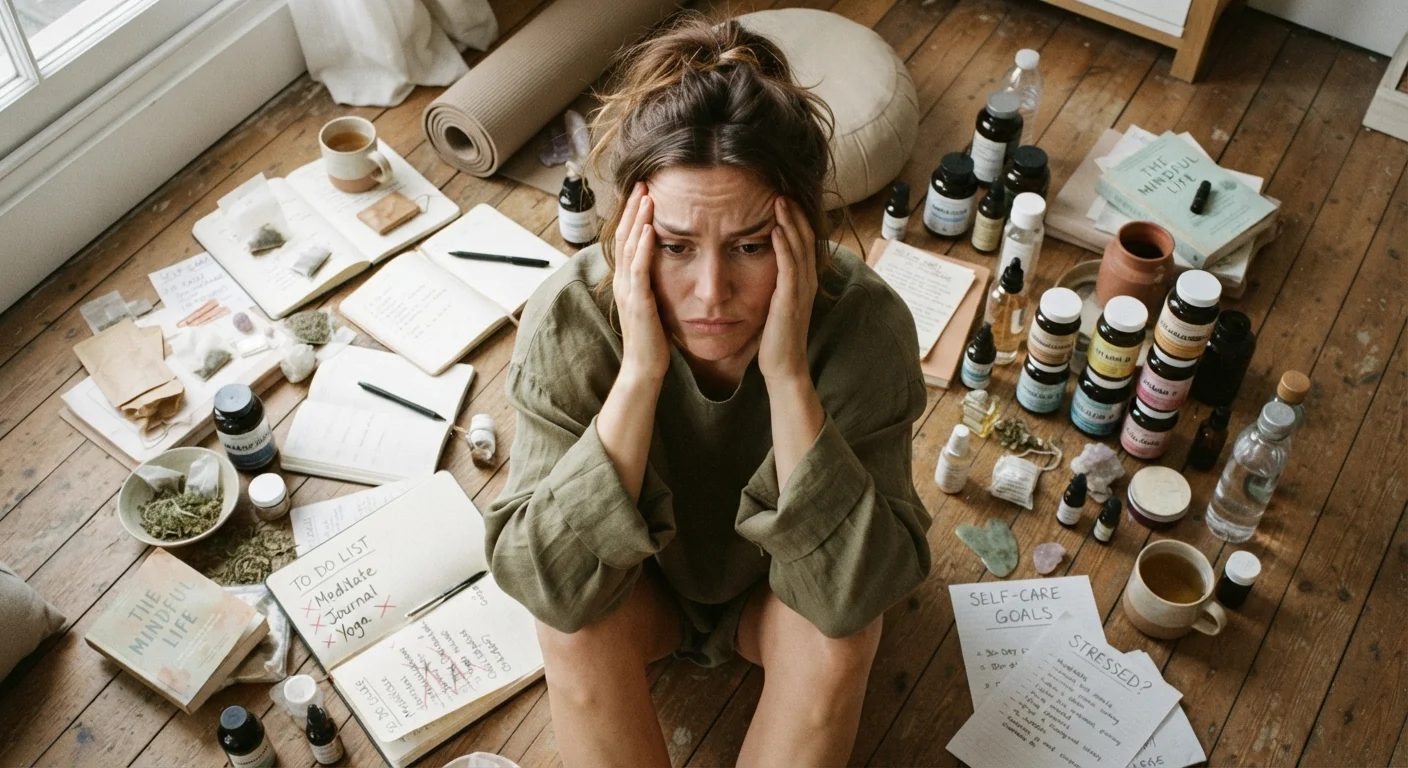
Wellness culture - broadly defined as the collective set of practices, products, and communities organized around improving health - contains genuine value. Regular movement, balanced nutrition, stress management, and social connection are well-supported pillars of wellbeing. But the same culture that encourages these habits can, for some people, slide into patterns that cause real psychological and physical harm.
The shift is rarely dramatic. It tends to happen gradually: a helpful habit becomes a rigid rule, a mindful practice becomes an anxiety-reducing compulsion, a community becomes an echo chamber. Understanding that line matters - both for yourself and for the people around you. This is part of the broader conversation in holistic wellness, which emphasizes balance across all dimensions of health, not optimization in isolation.
Wellness Misinformation Can Delay Real Treatment
Some wellness communities promote unproven remedies or discourage conventional medicine. Relying on unvalidated treatments for serious symptoms can cause genuine harm by delaying evidence-based care. If a wellness claim sounds too absolute - 'this cures everything' or 'doctors don't want you to know' - treat it with skepticism and consult a licensed healthcare provider.
Common Mistakes That Turn Wellness Into Harm
The mistakes below are not signs of personal failure - they are predictable patterns that emerge when wellness culture's messaging goes unchecked. Recognizing them is the first step toward reorienting.
Treating food rules as moral absolutes, labeling entire food groups as inherently 'toxic' or 'pure.'
Why it happens: Wellness content frequently frames eating choices in black-and-white language, which can feel clarifying at first but gradually creates guilt and fear around ordinary foods.
Using wellness routines to replace professional medical evaluation rather than complement it.
Why it happens: Distrust of conventional medicine, combined with the appeal of personal agency, leads some people to rely solely on supplements or lifestyle adjustments for symptoms that warrant clinical assessment.
Equating exercise with punishment or compensation for eating, rather than as a form of self-care.
Why it happens: Fitness culture often frames workouts in terms of 'earning' food or 'burning off' indulgence, subtly embedding transactional thinking that can become compulsive.
Withdrawing socially to protect a wellness routine - declining meals, events, or relationships that don't fit the regimen.
Why it happens: Strict protocols can feel fragile around unpredictability, making social situations feel threatening to progress rather than enjoyable.
Accepting wellness influencer content as equivalent to clinical expertise.
Why it happens: Social media algorithms reward confident, dramatic health claims, and credentials are not always visible or verified before audiences form trust.
~1%
Adults estimated to meet orthorexia criteria
Research published in peer-reviewed nutrition journals estimates orthorexia nervosa affects roughly 1% of the general population, though reported rates vary widely by study methodology.
3 in 10
Adults who delay or avoid medical care
Surveys by the American Academy of Family Physicians have found that a significant proportion of U.S. adults postpone seeing a doctor, sometimes influenced by self-treatment beliefs.
It is also worth noting that the line between productive health awareness and anxiety can be thin. Understanding when worry shades into anxiety is especially relevant here, since wellness-related fears often have more in common with anxiety than with genuine health education.
This Is Not a Substitute for Medical Care
This article provides general health information and is not medical advice. If you or someone you know is experiencing disordered eating, compulsive behaviors, or mental health concerns connected to wellness practices, please consult a qualified healthcare professional. Early support makes a meaningful difference.
Recalibrating: What Balanced Wellness Actually Looks Like
Genuine wellbeing is characterized by flexibility, not perfection. It accommodates rest days, imperfect meals, stressful seasons, and professional care without crisis. A useful self-check: does your wellness practice make you feel more capable of engaging with life, or does it create conditions and constraints that feel increasingly hard to meet?
If patterns feel compulsive, distressing, or are narrowing your world, that is meaningful information - not a personal failing. Speaking with a therapist, physician, or registered dietitian provides perspective that no wellness content can replicate. Practical approaches to recalibrating are also explored in our guide to seasonal wellness challenges, which addresses how to maintain healthy habits without rigidity during difficult periods.
This article is for general informational purposes only and does not constitute medical, psychological, or nutritional advice. Always consult a qualified healthcare professional regarding personal health concerns or before making changes to your care.