

Key Takeaways
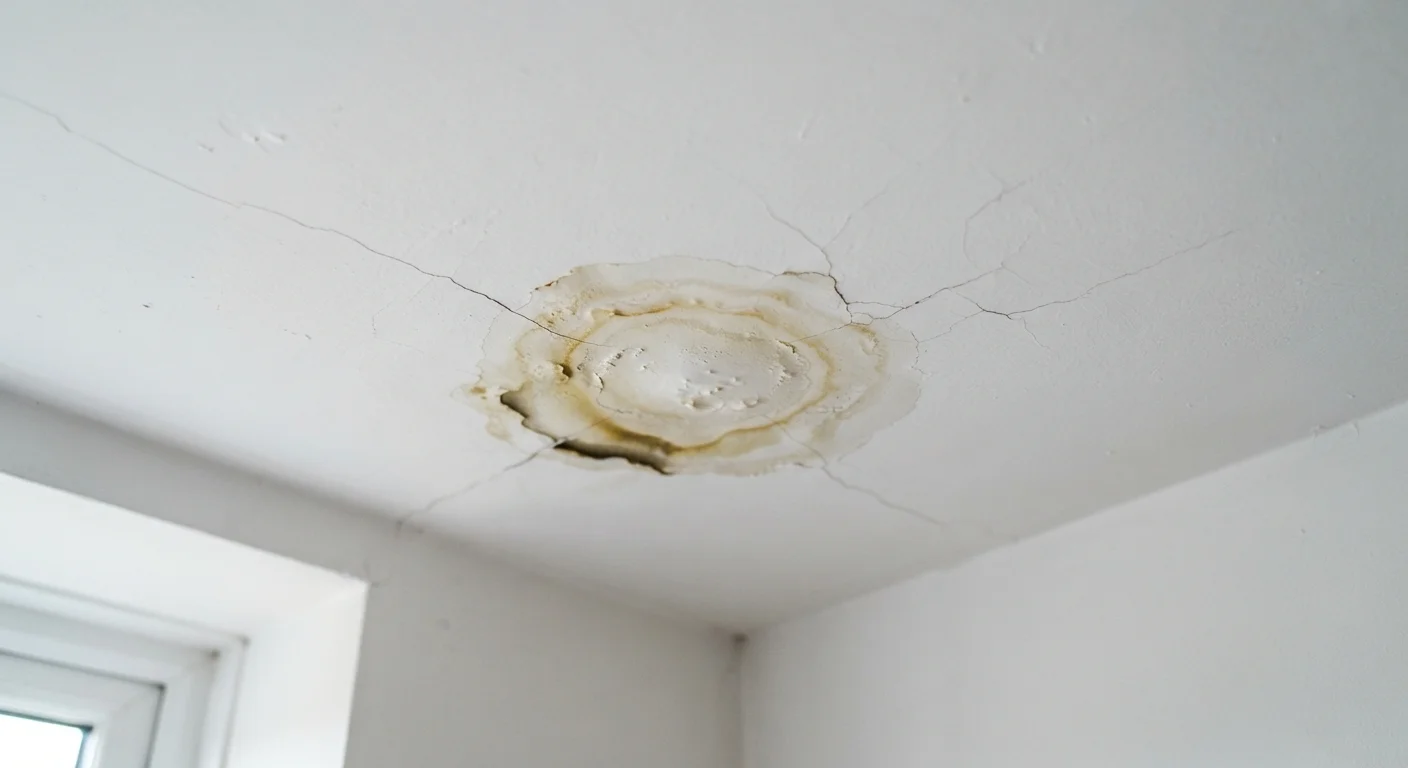
- Small visible damage is often a symptom of a larger hidden problem that worsens with time.
- Delaying minor repairs almost always increases the final cost and scope of work.
- Some repairs - especially involving water, structure, or electrical - require professional assessment.
- Addressing issues early protects both the safety of occupants and the long-term value of the home.
- A consistent maintenance routine is the most reliable way to catch problems before they escalate.
When "Minor" Is Misleading
Homeowners are conditioned to triage - put off what looks small and focus on what's urgent. That instinct can save time and money in many situations, but inside a house, it regularly backfires. A hairline crack, a slow drip, or a soft spot on the floor rarely stays that way. Moisture travels, wood rots, and structural stress redistributes - often quietly, and always faster than expected.
The problem isn't that homeowners are careless. It's that houses are good at hiding how bad things are getting. By the time a symptom becomes impossible to ignore, the underlying cause has usually had weeks or months to spread. Understanding which categories of damage compound most aggressively is the first step toward making smarter repair decisions. See our guide to reading inspection report priorities for a framework on severity triage.
A slow-dripping faucet or fixture leak
A drip that seems trivial can waste thousands of gallons of water annually and, more importantly, may signal deteriorating supply line connections or valve seals. If water is reaching a cabinet floor or wall cavity, mold can establish itself within 24 to 48 hours under the right conditions. The fix - often a washer or cartridge replacement - is typically inexpensive. The mold remediation that follows a delayed fix is not.
Mold can establish itself in a wet cavity within 24 to 48 hours.
Roof damage, missing shingles, or soft spots
Even a small breach in roofing material allows water to penetrate the decking, insulation, and eventually the ceiling below. Because attic spaces are rarely inspected, the damage can spread extensively before any interior sign appears. One rainstorm can turn a missing shingle into saturated insulation and rot. As discussed in our roof condition guide, addressing roof integrity before any other improvements is not optional - it's foundational.
Roof breaches allow water to spread invisibly through insulation and decking.
Foundation cracks, especially horizontal ones
Hairline vertical cracks in a poured concrete foundation are common and often stable - they result from normal curing and settling. Horizontal cracks, stair-step cracks in block foundations, or any crack that is actively widening are different matters entirely. These can indicate lateral soil pressure or shifting that, left unaddressed, compromises the structural integrity of the home. A structural engineer or qualified foundation contractor should evaluate these promptly.
Horizontal foundation cracks can signal structural compromise and need prompt evaluation.
Soft, spongy, or uneven flooring
When a floor section feels soft underfoot or develops a noticeable dip, the subfloor - the structural layer beneath your finished flooring - is likely compromised by moisture or pest damage. This is rarely a surface problem. Subfloor replacement is a moderate but manageable repair; if the floor joists below are also affected, the project scope and cost grow considerably. The longer it sits, the more load-bearing material becomes involved.
Soft flooring rarely stays a surface problem - joists below are often next.
Flickering lights or tripping breakers
Electrical symptoms are never cosmetic. Flickering that isn't explained by a loose bulb, or a breaker that trips repeatedly under normal load, points to wiring issues, overloaded circuits, or connections that have deteriorated. These conditions are among the leading causes of residential fires. Do not attempt to diagnose or repair wiring issues without a licensed electrician - and do not delay contacting one. This is one of the clearest cases where professional assessment is the only appropriate response.
Repeated breaker trips or flickering lights warrant a licensed electrician, not a wait-and-see approach.
Gaps around windows, doors, or exterior penetrations
Caulk and weatherstripping are maintenance items, not permanent solutions. When they fail, the gaps they sealed allow water intrusion, drafts, and pest entry. Water that enters around a window frame can travel inside the wall cavity - causing rot and insulation degradation that stays hidden until it's extensive. Recaulking is a low-cost, straightforward task that prevents significantly more expensive wall or framing repairs. See our guide on what inflates repair costs for more on how delays compound expenses.
Failed caulk around windows can allow water into wall cavities, causing hidden rot.
What to Do With This Information
None of these repairs require panic - they require promptness. The goal isn't to treat every scuff mark as a crisis, but to recognize when something small is telling you something important. When in doubt, a professional assessment is almost always cheaper than the repair that comes from waiting too long.
Do a Monthly Walk-Through
Set aside 10 to 15 minutes each month to walk through your home with fresh eyes - check under sinks, inspect the attic hatch area, look at the base of exterior walls, and test GFCI outlets. Many serious problems reveal themselves through small, early signs that are easy to miss when you're accustomed to a space. Catching them early is the cheapest repair you'll ever make.
Building a consistent inspection habit is the most practical safeguard. The seasonal home repair checklist is a useful starting point for structuring those walkthroughs throughout the year. And if a repair has grown in scope, it may now require a permit - something worth understanding before work begins. Our article on understanding permits before starting a project covers what typically triggers that requirement and why skipping it creates real risk.
As with vehicles, deferred maintenance in a home rarely saves money - it borrows against a larger future expense. Staying ahead of small problems is one of the most reliable ways to protect what is, for most people, their most significant financial asset.