

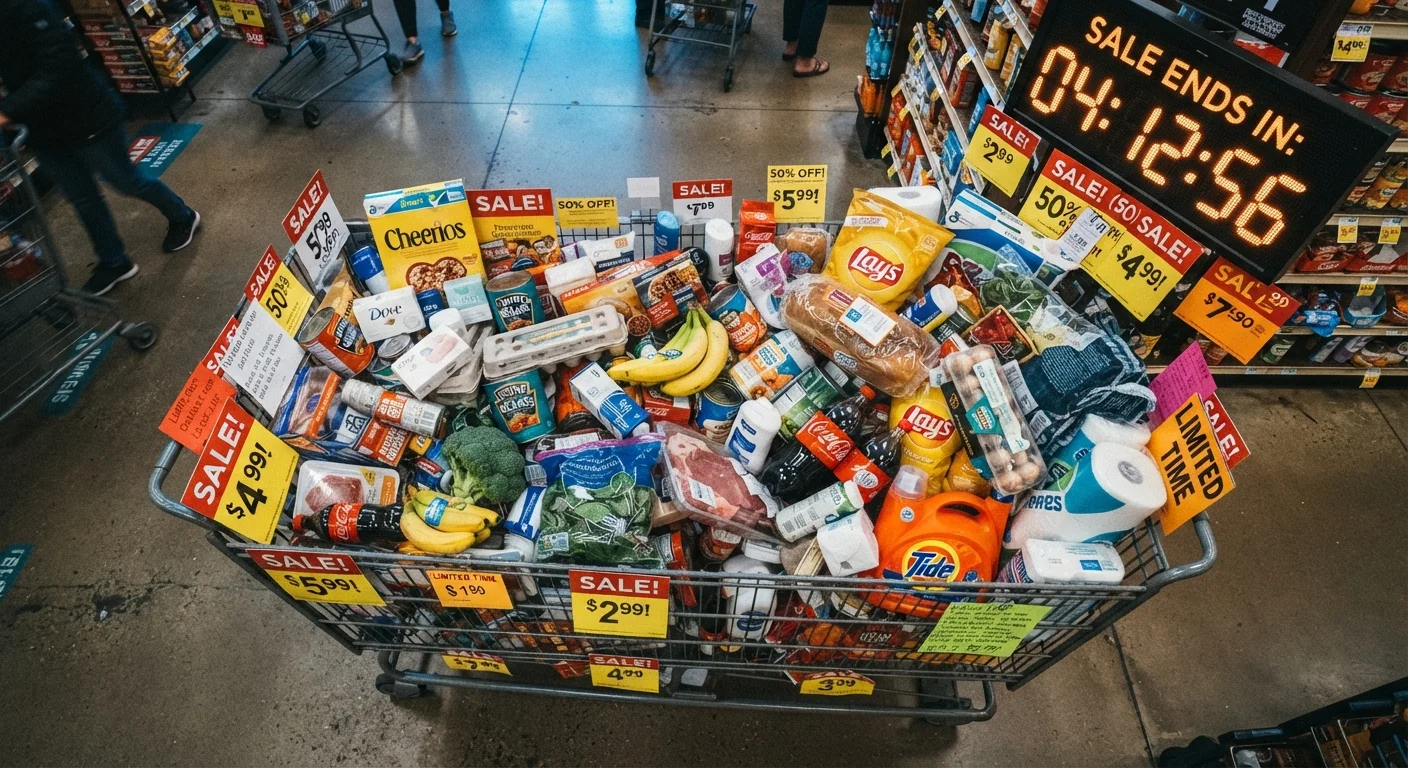
Key Takeaways
- Artificial urgency is a core sales mechanic - pre-set a budget and item list before any event begins.
- Comparing pre-sale prices to claimed discounts often reveals the markdown is smaller than advertised.
- Impulse purchases made during sales events are a leading driver of post-event buyer's remorse.
- Return policies often change or tighten during major sales windows - check terms before buying.
- Timing matters: not every product category hits its lowest price during the same sales event.
Why Sales Events Produce Predictable Missteps
Major sales events - whether tied to holidays, seasonal clearances, or retailer-created moments - share a common architecture: condensed timeframes, prominent discount signals, and high ambient noise that makes comparison difficult. These aren't coincidental features. They're structural, and they tend to produce the same shopping errors year after year.
Understanding the patterns in advance is what separates intentional shopping from reactive spending. The mistakes below aren't about willpower - they're about recognizing the mechanics at work and having a counter-strategy ready before the pressure is on. For a broader look at planning ahead, the checklist-based approach to major sales seasons is worth reviewing before your next big event.
Shopping without a pre-event list, then filling a cart based on what's marked down.
Why it happens: Sale environments are designed to surface discounted items prominently, making it easy to browse for deals rather than needs.
Accepting advertised discount percentages at face value without checking historical prices.
Why it happens: A "40% off" label feels like objective information, but the baseline price is set by the retailer and can be inflated ahead of the sale.
Ignoring return policy changes that apply specifically during major sales windows.
Why it happens: Shoppers assume standard return terms always apply, but many retailers post modified policies - shorter windows, store credit only - during high-volume events.
Assuming the sale event always offers the best annual price for a given product category.
Why it happens: High-profile events like Black Friday or Prime Day carry a reputation as the year's best pricing, which doesn't hold equally across all categories.
Treating urgency signals - countdown timers, "X left in stock" labels - as reliable facts.
Why it happens: Scarcity and time pressure are well-documented behavioral triggers. These cues feel like neutral information but are often deliberate conversion tactics.
Going over budget by justifying overspending with perceived savings.
Why it happens: "I saved $80" feels like a financial gain, making it psychologically easier to spend beyond a planned amount during a sale.
What to Do Differently
The corrective actions for most of these missteps share a theme: slow down and introduce friction before spending. That friction - a 24-hour hold, a quick price history check, a re-read of the return policy - is what creates the decision quality that urgency-based environments are designed to eliminate.
Verify the Pre-Sale Price First
Retailers are not universally required to maintain a reference price for a set period before advertising a discount. Some markups happen shortly before a sale begins, making the listed percentage off misleading. Use a price-tracking tool or browser extension to view historical pricing for any item you're considering - this takes about 60 seconds and can fundamentally change your read on a deal.
If you're shopping for others during high-pressure windows, the same patterns apply. Staying thoughtful without overspending on gifts covers the overlap between seasonal pressure and gift-buying decisions. And if something about the retail environment itself feels designed to rush you, it may be worth knowing when walking away is the right call.
~$1,500
Average US household holiday spending per year
The National Retail Federation has tracked US household holiday spending estimates in this range in recent years, reflecting how significant seasonal sales events are to annual budgets.
Over 60%
Shoppers who report impulse buys during sales events
Consumer surveys conducted by retail research organizations consistently find that a majority of shoppers make at least one unplanned purchase during major promotional events.
Sales events can represent real value - particularly when you're purchasing something you planned to buy anyway, in a category where the event timing aligns with genuine seasonal discounts. The goal isn't avoidance; it's not letting the format make your decisions for you.