

Key Takeaways
- BNPL splits a purchase into installments, usually four payments over six weeks.
- Many BNPL plans charge no interest, but late fees can add up quickly.
- Some providers report payment activity to credit bureaus; others do not.
- Using multiple BNPL plans simultaneously can make budgeting harder to track.
- BNPL is distinct from traditional credit cards but carries some of the same risks.
Buy Now, Pay Later (BNPL)
Buy Now, Pay Later is a short-term financing arrangement that lets you split a purchase into a series of smaller payments - typically four equal installments paid every two weeks - instead of paying the full amount upfront. The service is offered by third-party companies that partner with retailers and pay the merchant immediately on your behalf. You then repay the BNPL provider directly, often with no interest if you make payments on time.
BNPL products are generally classified as point-of-sale installment loans. Regulatory treatment varies by provider and jurisdiction; some BNPL products are subject to consumer lending rules while others currently operate outside traditional credit card regulations.
How BNPL Actually Works at Checkout
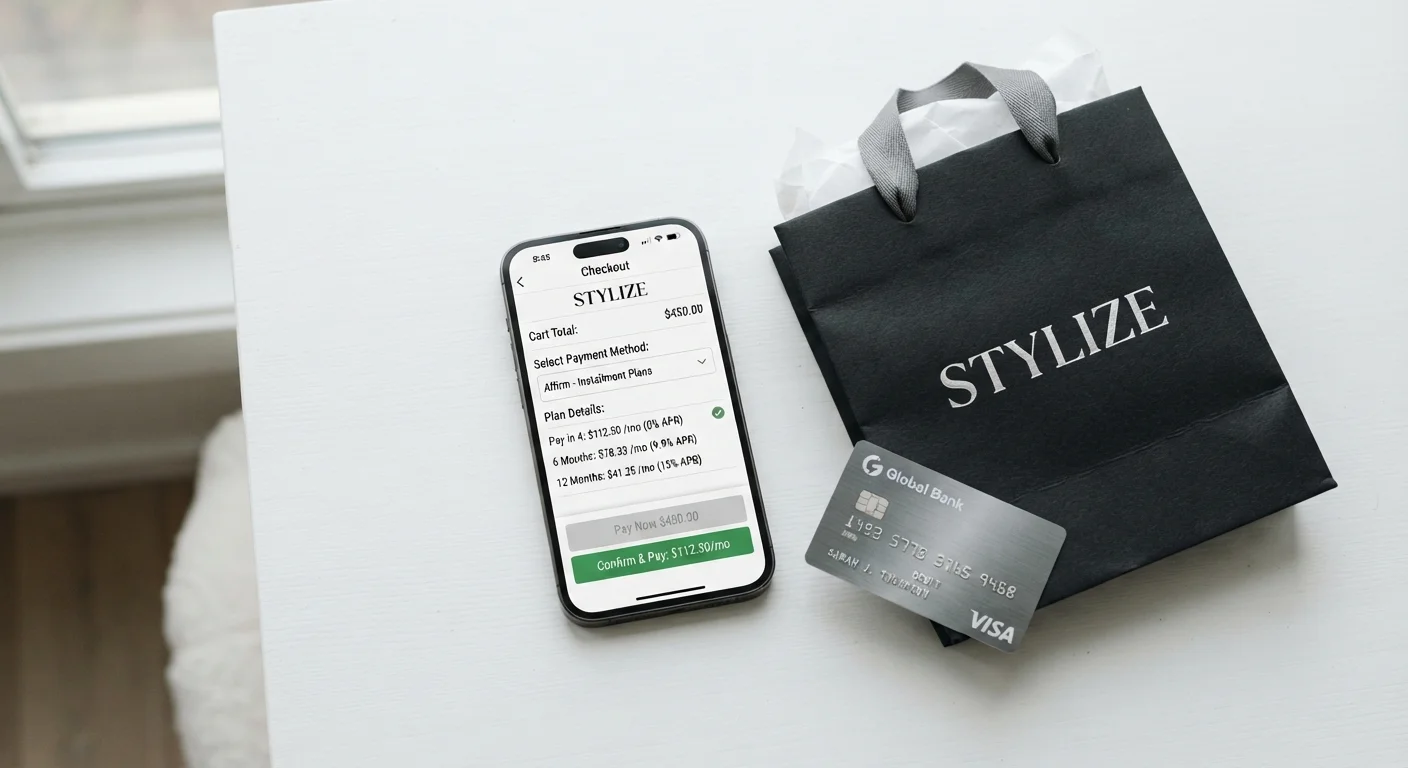
When you reach the checkout page of a participating retailer, you may see an option to pay through a BNPL service alongside standard payment methods. Selecting it takes you through a brief application - often requiring only your name, email, phone number, and the last four digits of your Social Security number for identity verification.
If approved, the BNPL provider pays the merchant the full purchase price immediately. Your obligation then shifts to the BNPL company: you repay them in installments, typically four equal payments every two weeks. The first payment is usually due at checkout. The remaining three follow automatically on a set schedule, charged to the debit or credit card you linked during signup.
For the most common structure - four payments, no interest - the math is straightforward: a $120 purchase becomes four $30 charges. However, not every BNPL product follows this model. Some providers offer longer repayment terms of three, six, or twelve months, and those plans frequently carry interest rates similar to conventional financing. Always check whether the specific plan you're selecting is interest-free before agreeing. For a broader look at how financing terms can affect what you actually pay, see what to understand before agreeing to a payment plan.
Check the Specific Plan Terms Before You Commit
Not all BNPL offers from the same provider are identical - a six-week plan may be interest-free while a six-month plan through the same app carries a meaningful APR. Before selecting any BNPL option, scroll to the full payment schedule and fee disclosure. If the terms aren't shown clearly before you accept, that's a signal to pause.
The Business Logic Behind BNPL
BNPL providers make money in two primary ways: merchant fees and consumer fees. Retailers pay the BNPL company a percentage of each transaction - typically higher than standard credit card processing fees - in exchange for the service, because BNPL has been shown to increase average order values and reduce cart abandonment.
On the consumer side, revenue comes mainly from late fees when payments are missed, and from interest on longer-term plans. This means the zero-interest promise is real for consumers who pay on time, but the model depends on some portion of users incurring fees.
$75B+
US BNPL transaction volume annually
The Consumer Financial Protection Bureau reported substantial growth in BNPL loan originations over recent years, reflecting rapid mainstream adoption.
4-in-10
US adults who have used BNPL at least once
Surveys conducted by the Pew Charitable Trusts and Federal Reserve have consistently found broad BNPL usage across income levels.
~50%
BNPL users who report difficulty tracking payments
The CFPB's 2023 BNPL market report noted that managing multiple simultaneous plans was a common challenge among regular users.
Understanding this structure matters when evaluating whether BNPL is a useful tool or an unnecessary cost layer for your situation. It also explains why BNPL integrations are appearing across more retail categories - from apparel to electronics to healthcare services.
Credit, Debt, and What BNPL Doesn't Always Tell You
One area where BNPL differs meaningfully from credit cards is credit reporting transparency. Traditional credit card activity is routinely reported to the three major credit bureaus, giving you a clear record of how you're managing debt. BNPL reporting practices have historically been inconsistent - some providers report nothing, others report only negative information, and a growing number now report full payment history.
This inconsistency has two sides. If you're working on building a credit profile from scratch, a BNPL plan that reports positive payment history could help - but verify this with the specific provider first. Conversely, some BNPL users are surprised to find that what felt like a low-stakes transaction has affected their credit report.
There's also a budgeting dimension worth considering. Carrying several BNPL plans simultaneously can fragment your financial picture across multiple apps and billing dates, making it easier to lose track of total obligations. This is structurally different from predatory lending but shares a risk pattern with it - the real cost isn't always immediately visible. For context on higher-risk financing arrangements, see predatory lending tactics that target people with poor credit.
Regulatory Landscape Is Still Evolving
The CFPB has flagged several BNPL practices for closer scrutiny, including data harvesting, dispute resolution gaps, and inconsistent credit reporting. Rules specific to BNPL are still developing at both the federal and state level. Checking for updates from the CFPB is a reasonable step if you're a frequent BNPL user or considering a large purchase on installment terms.
This article is for general informational purposes only and does not constitute financial or legal advice. For guidance specific to your financial situation, consult a qualified financial professional.