

| NFL Preseason Roster Limit | 90 players (NFL/NFLPA Collective Bargaining Agreement) |
| NFL Active Season Roster | 53 players (NFL rules) |
| MLB Spring Training Start | Mid-February (pitchers & catchers first) (MLB schedule structure) |
| NBA Camp Opening | Late September (NBA calendar) |
| NHL Rookie Camp | One week before main camp opens (NHL operations) |
| NFL Preseason Games | 4 games per team (NFL schedule) |
What Is a Training Camp?
Every major US professional sports league runs some form of preseason training camp - a structured, high-intensity preparation period where rosters are evaluated, systems are installed, and the competitive pecking order gets sorted out before the regular season begins. For fans following the full sweep of professional sports, understanding how each league structures this phase adds real depth to watching the season unfold.
Training camps serve three core functions across all leagues: physical conditioning, scheme installation, and roster construction. Coaches use this window to evaluate fringe players, integrate new acquisitions, and set expectations for the months ahead.
| NFL Preseason Roster Limit | 90 players (NFL/NFLPA Collective Bargaining Agreement) |
| NFL Active Season Roster | 53 players (NFL rules) |
| MLB Spring Training Start | Mid-February (pitchers & catchers first) (MLB schedule structure) |
| NBA Camp Opening | Late September (NBA calendar) |
| NHL Rookie Camp | One week before main camp opens (NHL operations) |
| NFL Preseason Games | 4 games per team (NFL schedule) |
NFL: The Most Competitive Camp in American Sports
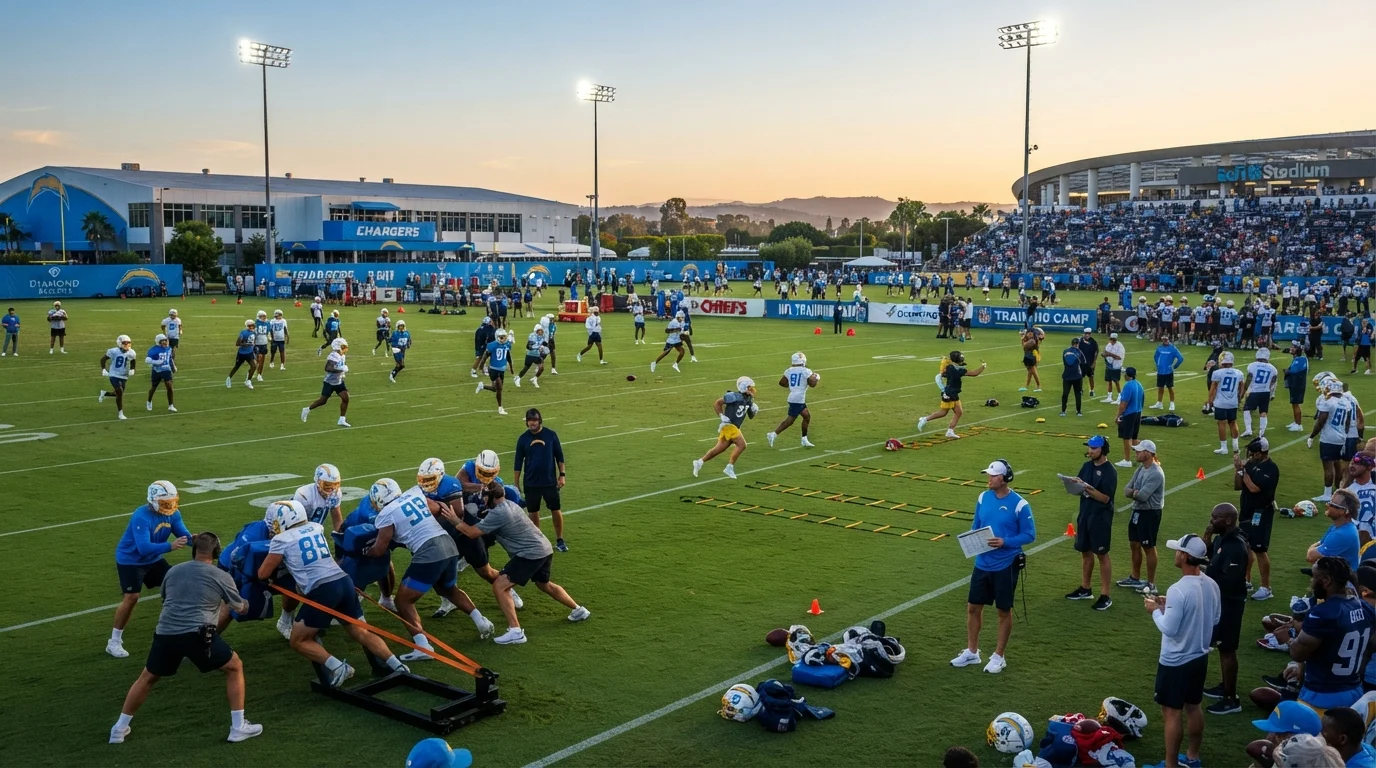
NFL training camps typically open in late July, roughly six weeks before the regular season kicks off in early September. Teams are permitted to carry up to 90 players on their preseason roster - nearly triple the 53-man active limit - making roster cuts one of the most dramatic storylines of the summer. Undrafted free agents and late-round rookies fight for every snap, knowing that a standout preseason performance can cement a career.
Camps are governed by the collective bargaining agreement (CBA) between the NFL and the NFL Players Association (NFLPA), which limits contact practices, mandatory hours, and number of padded sessions per week. Most teams hold camp at their own facilities, though some maintain arrangements at college campuses. Four preseason games give coaches meaningful game-speed data before final cuts in late August.
For a deeper look at how those roster decisions ripple into the regular season, see how teams shift strategies across the schedule.
Two-way contract
An NBA contract that allows a player to move between an NBA team and its G League affiliate. It gives fringe players competitive professional reps while giving teams roster flexibility.
Non-roster invitee (NRI)
A player invited to MLB Spring Training who is not on the team's 40-man roster. NRIs compete for open roster spots but can be released without the same procedural steps required for rostered players.
Padded practice
In football, a practice session where players wear full pads and are permitted to engage in contact drills. CBAs limit the number of padded sessions teams may hold during camp to reduce injury risk.
Collective Bargaining Agreement (CBA)
A legally binding contract negotiated between a professional sports league and its players' union. The CBA governs working conditions including camp rules, practice limits, compensation, and benefits.
NBA, MLB, and NHL: Three Different Blueprints
NBA: NBA training camps open in late September, roughly three weeks before the regular season tip-off in October. With only 15 roster spots and a 12-man active game-day limit, camps focus less on roster trimming and more on integrating new signings, establishing rotations, and building conditioning after the offseason. Two-way contract players - who split time between the NBA and the G League - add a development layer to the roster evaluation process.
MLB: Spring Training is baseball's version of camp and is one of the longest preparation periods in professional sports, running from mid-February through late March. Position players and pitchers report on slightly different schedules, with pitchers and catchers arriving first. Teams use a split-squad format - playing games at their own facility and an opponent's - to maximize at-bats and innings pitched. The 40-man roster expands to include non-roster invitees, giving prospects and veteran journeymen a shot at earning a spot.
NHL: NHL training camps open in mid-September ahead of an October regular-season start. Rosters can carry over 50 players initially, with cuts bringing teams to the 23-man regular-season limit. Prospects fresh from the draft attend rookie camps the week prior - a separate evaluation window before veterans arrive.
~6 weeks
NFL camp duration before opening day
NFL teams typically open camp in late July and play their first regular-season game in early September.
6+ weeks
MLB Spring Training length
Baseball's preparation period runs from mid-February through late March, making it the longest preseason window among major US leagues.
50+
Players in NHL training camp initially
NHL rosters must be trimmed from camp invitees to the 23-man regular-season limit before the season begins in October.
For fans juggling all four of these timelines simultaneously, a practical strategy for tracking multiple leagues can help you stay on top of every camp storyline without the burnout.
Why Camp Matters Beyond the Preseason
Training camp sets the cultural and competitive tone for an entire organization. Coaches who establish accountability early - through conditioning standards, film sessions, and competitive reps - tend to carry those habits through a long season. Rookies who arrive underprepared often spend months catching up, while veterans who lead by example during camp can elevate an entire locker room.
Camp is also where the path to turning pro gets its first real stress test. Draft picks who excelled in college or overseas face a significantly steeper level of competition the moment they step onto a professional practice field. The transition is rarely smooth - which is precisely why rookie development timelines vary so widely across leagues and positions.
For scouts and front offices, camp provides game-speed confirmation of what film and analytics suggested. For fans, it's the starting gun - the first real proof that a new season is genuinely underway.