

Key Takeaways
- Athletes today manage a multi-channel media presence, not just post-game interviews.
- Press conferences follow structured formats shaped by league rules and PR strategy.
- Social media gives athletes direct, unfiltered access to their audiences.
- A consistent brand voice helps athletes control their narrative across platforms.
- NIL rights have made media literacy especially critical for college athletes.
- Missteps in any channel can have lasting reputational and financial consequences.
Athlete Media Landscape
The athlete media landscape refers to the full range of communication channels and platforms that professional sports figures must navigate to share their story, manage public perception, and build a lasting identity. This includes traditional outlets like press conferences and broadcast interviews, as well as direct-to-fan platforms like social media. Together, these channels shape how an athlete is perceived both on and off the field.
Media training - formal coaching in messaging, body language, and audience management - has become a standard part of athlete development at the professional and elite collegiate levels.
From the Locker Room to the Feed: A New Media Reality
Not long ago, an athlete's media obligations fit neatly into a single category: post-game press conferences and the occasional profile piece in a sports magazine. That world no longer exists. Today's professional athletes operate across a complex ecosystem of traditional media, social platforms, brand partnerships, and fan-facing content - all simultaneously, all publicly visible.
This shift isn't just cultural. It reflects a structural change in how sports stories are told and consumed. Leagues stream games on multiple platforms. Reporters work across video, podcasts, and social alongside print. And athletes themselves have become publishers in their own right, with audiences that sometimes rival established sports media outlets. Understanding how this landscape works helps fans appreciate the full scope of what it means to compete - and communicate - at the highest level.
5.4B+
Global social media users as of 2024
According to DataReportal's 2024 Global Digital Report, over 5.4 billion people use social media worldwide, amplifying the reach of any athlete with a public platform.
~$1.5M
Reported NBA fine for media unavailability
The NBA has issued significant fines to players who skip mandatory media availability, reflecting how seriously leagues codify the media relationship.
Top 10
Athletes among most-followed social accounts globally
Multiple professional athletes consistently rank among the most-followed accounts on Instagram and X, with audiences in the hundreds of millions.
The Press Conference: Structure, Stakes, and Strategy
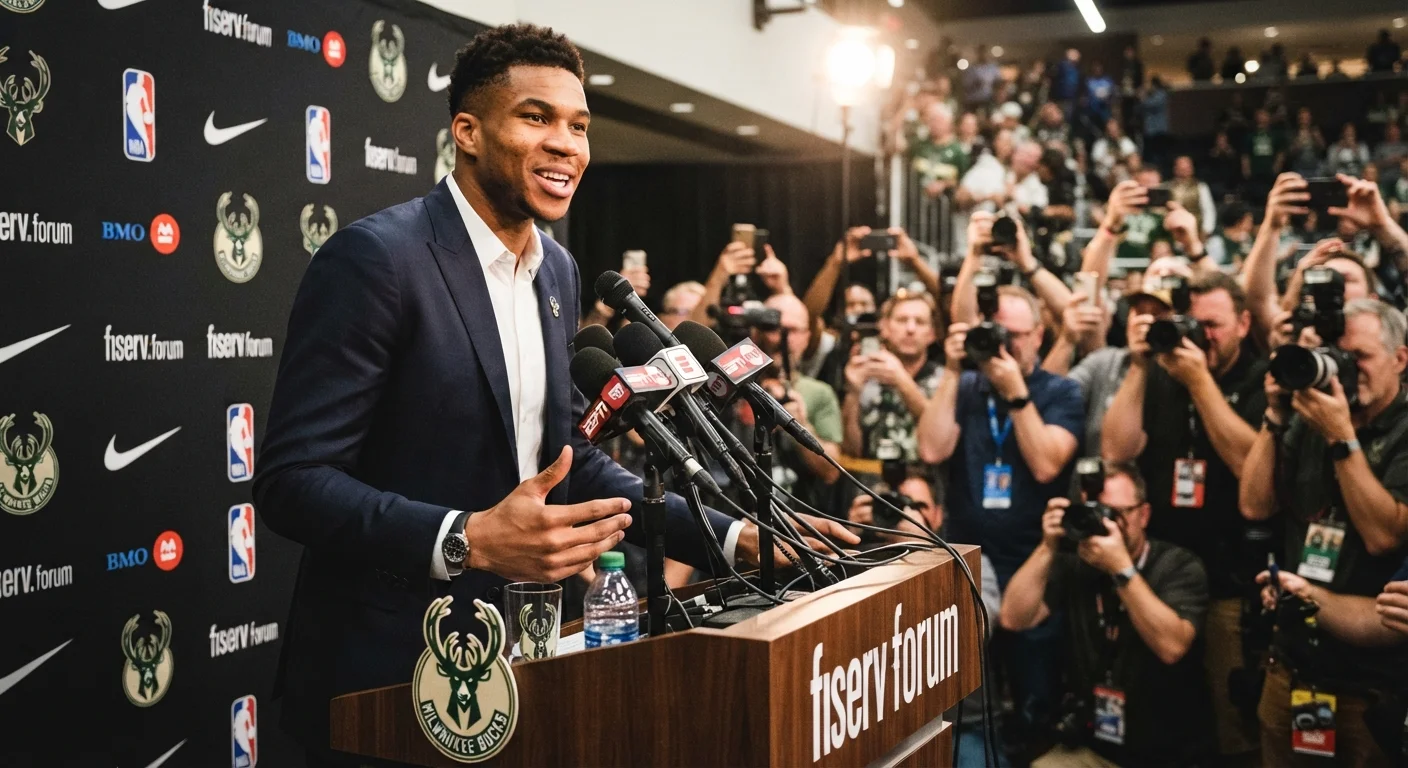
Press conferences remain a cornerstone of sports media. Most major professional leagues - the NFL, NBA, MLB, and NHL among them - require athletes and coaches to make themselves available to credentialed media on a regular schedule. These sessions follow predictable formats: opening statements, a round of questions, and carefully managed time limits.
What looks spontaneous rarely is. Athletes typically arrive at press conferences with key messages already identified, shaped by PR staff and sometimes their agents. The goal isn't evasion - it's clarity. A well-prepared athlete can use a press conference to reframe a loss, acknowledge a teammate's contributions, or defuse a controversy before it escalates. Done poorly, the same forum can create headlines an athlete spends weeks correcting.
Fines for skipping mandatory availability sessions are standard across leagues, underscoring just how formally the media relationship is codified. Beyond compliance, savvy athletes recognize the press conference as an opportunity - a room where perception is built, not just reported.
Preparation Makes the Difference
Athletes who work with communications staff before high-stakes media moments tend to deliver clearer, more consistent messages. Even a brief pre-presser conversation about key talking points can prevent an off-the-cuff remark from dominating the next day's headlines. Treating media prep as part of the job - not an inconvenience - is a hallmark of long-tenured professionals.
Social Media: Direct Access, Real Consequences
Social media fundamentally altered the athlete-to-fan relationship by eliminating the middleman. Platforms like Instagram, X (formerly Twitter), and TikTok let athletes speak directly, instantly, and globally. The upside is significant: unfiltered authenticity, direct fan engagement, and a personal channel that no broadcast deal can replicate.
The risks are equally real. A poorly worded post, an ill-timed image, or a comment on a politically charged topic can trigger rapid backlash - from fans, sponsors, and leagues. Most professional leagues maintain conduct policies that extend explicitly to social media, and athletes have faced fines and disciplinary action for violations ranging from criticizing officiating to sharing restricted information.
This is why social media strategy - what to post, when, how often, and in what voice - has become as deliberate as game preparation for many elite athletes. For a closer look at how this dynamic plays out in another entertainment context, see how social media visibility affects musicians in parallel ways.
Brand Voice: The Thread That Ties It Together
Brand voice is the consistent personality an athlete projects across every public channel. It's what makes one athlete's tweet feel funny and self-aware while another's reads as earnest and community-minded. Neither is wrong - what matters is consistency and authenticity. A brand voice that shifts wildly between platforms or contradicts an athlete's actual behavior tends to erode rather than build trust.
Building a durable brand voice takes intentional effort. Athletes who do it well tend to anchor their public persona in a few core values or interests that extend naturally beyond sport - community, family, entrepreneurship, advocacy. Those threads connect press conference answers to social posts to partnership choices in ways that feel coherent rather than calculated.
For a deeper look at what goes into constructing that identity, what building an athlete brand actually involves is worth exploring. And as athletes move toward post-playing careers, that established voice often becomes a launchpad - a topic covered in depth in the patterns behind athletes who transitioned into business and entrepreneurship.
“Athletes are no longer just competitors - they're communicators, brands, and media entities in their own right. How they manage that reality shapes their legacy as much as their performance does.”
— Sports Media Analyst, Commentary on modern athlete communications, widely cited in sports industry discussions
Why Media Literacy Has Become a Core Athlete Skill
Media literacy - understanding how media works, who holds influence, and how messages travel - is increasingly treated as an essential professional competency. Clubs, agencies, and even college athletic departments now invest in formal media training programs. For college athletes specifically, the rise of NIL (Name, Image, and Likeness) rights has made this urgent. NIL transformed the economic reality of college athletics, and with it came a demand for media sophistication that previous generations of student-athletes never faced.
Athletes who approach media as a skill - like footwork or film study - tend to navigate its pressures more effectively. Those who treat it as an afterthought often find that the narrative writes itself, not always in their favor. In a media environment that moves at the speed of a social feed, preparation and intentionality aren't optional extras. They're as competitive as anything that happens on the field.
This article is for informational and educational purposes only. It does not constitute professional media, legal, or career advice.