

Key Takeaways
- Static stretching is best suited for cool-downs and improving long-term flexibility over time.
- Dynamic stretching prepares muscles for activity and is most effective before workouts.
- PNF stretching offers the greatest flexibility gains but requires a partner or careful self-technique.
- Timing matters: the wrong stretch type at the wrong phase can temporarily reduce performance.
- Most people benefit from combining all three methods across a balanced fitness routine.
Our Verdict
No single stretching method beats the others in every situation - context determines the right choice. Dynamic stretching earns its place before activity, static holds work best in cool-downs, and PNF delivers the most concentrated flexibility gains for those willing to invest extra effort. Building all three into a routine gives everyday exercisers the most complete toolkit.
| Best for | Recommended |
|---|---|
| Pre-workout preparation and injury prevention | Dynamic Stretching |
| Post-workout recovery and gradual flexibility improvement | Static Stretching |
| Maximum flexibility gains in a focused session | PNF Stretching |
| Everyday exercisers building a sustainable routine | A combination of all three |
Why Stretching Method Actually Matters
Most people think of stretching as a single thing - something you do before or after exercise. In reality, the word covers at least three distinct techniques, each with different mechanisms, timing requirements, and outcomes. Choosing the wrong type at the wrong moment can dull performance or leave real recovery benefits on the table.
This comparison breaks down static, dynamic, and PNF (proprioceptive neuromuscular facilitation) stretching so you can make an informed call about what belongs in your routine and when. For a broader look at how flexibility fits into overall movement health, see our guide on flexibility vs. mobility.
| Static Stretching | Dynamic Stretching | PNF Stretching | |
|---|---|---|---|
| Best timing | Post-workout or standalone session | Pre-workout warm-up | Dedicated flexibility session |
| Flexibility gains | Moderate over time | Moderate; primarily acute | High; often fastest gains |
| Injury risk if misapplied | Low, but reduces pre-workout power | Low when controlled | Moderate without proper technique |
| Ease of learning | Very easy | Easy to moderate | Requires instruction |
| Equipment or partner needed | None | None | Partner helpful; bands usable |
| Performance impact before exercise | Can reduce power output | Neutral to positive | Not typically done pre-workout |
Static Stretching: Slow, Sustained, Familiar
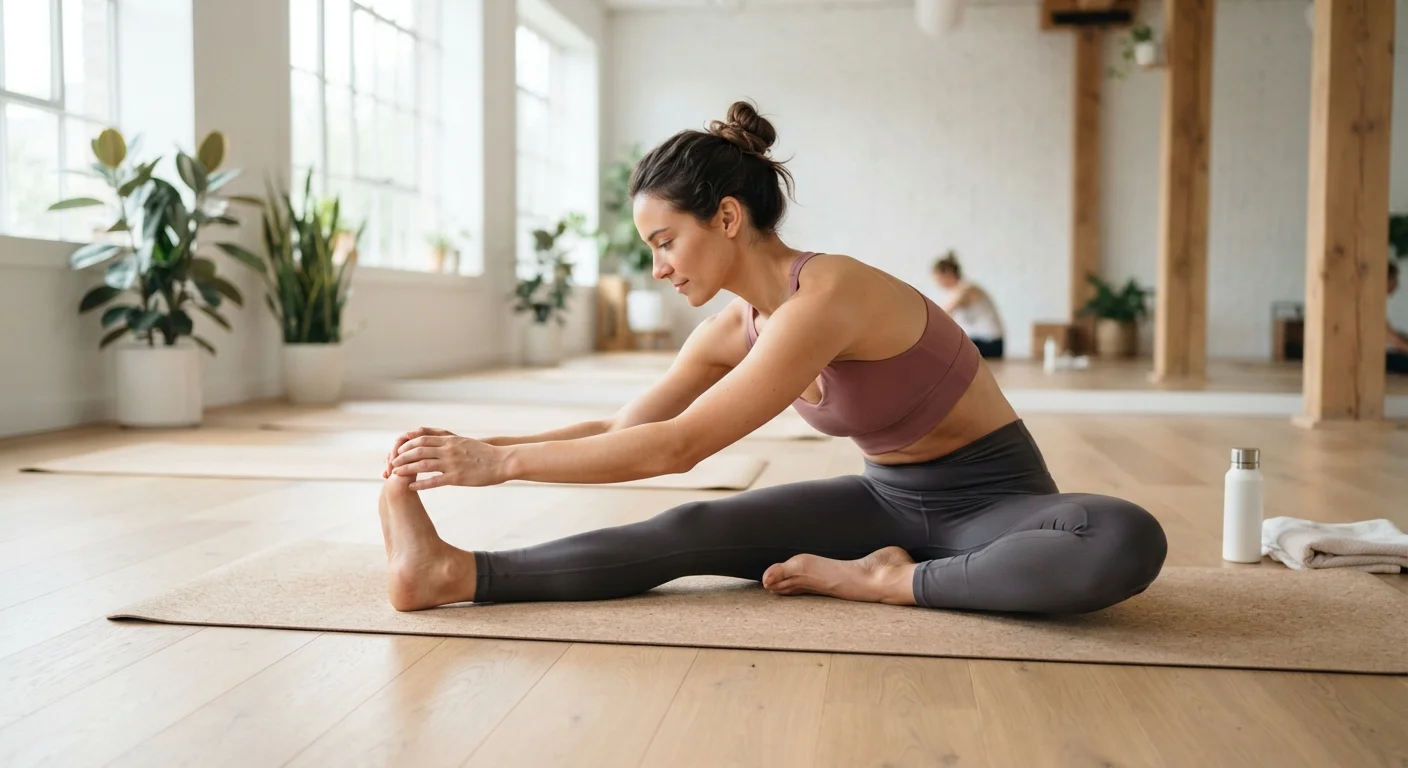
Static stretching is what most people picture: you move a muscle to the end of its range, hold the position - typically for 20 to 60 seconds - and breathe through mild tension. The goal is to gradually lengthen the muscle and connective tissue over time.
Research consistently shows static stretching improves long-term flexibility when practiced regularly. However, performing extended static holds immediately before explosive or strength-based exercise can temporarily reduce force production and reaction time, an effect documented in multiple peer-reviewed studies. That makes it best suited to post-workout cool-downs or standalone flexibility sessions.
Hold Time Matters More Than You Think
For static stretching to build lasting flexibility, most exercise science guidance points to holds of at least 20-30 seconds per position. Brief touches of a second or two do little to lengthen tissue over time. Consistency across days and weeks matters far more than intensity in any single session.
For those fitting exercise into packed schedules, static cool-down stretches are an easy addition that costs minimal extra time. Shorter, well-structured sessions can still include a meaningful five-minute stretch routine at the end.
Dynamic Stretching: Movement as Preparation
Dynamic stretching uses controlled, purposeful movement through a joint's full range - leg swings, arm circles, hip rotations, walking lunges. Unlike static holds, you're never stopping at the end point. The muscle is repeatedly taken through its range in a way that mimics the activity ahead.
This approach raises muscle temperature, increases blood flow, activates the nervous system, and improves mobility before training. Most sports medicine professionals now recommend dynamic stretching as the primary form of pre-exercise preparation, replacing older practices of static stretching before activity. It pairs naturally with a proper warm-up - something explored in depth in our warm-up and cool-down guide.
PNF Stretching: The High-Effort, High-Reward Option
PNF stretching originated in rehabilitation settings and remains one of the most effective methods for increasing range of motion quickly. The most common approach - contract-relax - works like this: stretch a muscle to its limit, actively contract it against resistance for several seconds, then relax and move deeper into the stretch. The brief contraction triggers a neurological response that allows greater lengthening when the muscle releases.
The gains are real and often immediate. Studies have generally found PNF produces larger flexibility improvements than static or dynamic stretching alone over the same timeframe. The trade-offs are complexity and effort: it typically requires a partner for best results, demands proper technique to avoid strain, and is more intense than the other two methods.
PNF Requires Careful Technique
Because PNF involves active muscle contractions at end-range positions, performing it with too much force or poor alignment can strain muscles or joints. If you're new to PNF, learning the technique with a certified fitness or physical therapy professional first is strongly advisable before attempting it solo.
As with any flexibility work, progress with PNF is gradual. It fits well into a broader progressive approach to fitness - the same principle behind progressive overload in strength training.
This article is for general informational and educational purposes only and is not a substitute for advice from a qualified healthcare or fitness professional. If you have an injury, chronic condition, or specific health concern, consult a professional before beginning any new stretching or exercise program.