Key Takeaways
- NIL allows college athletes to earn money through endorsements, social media, autographs, and appearances.
- The NCAA changed its rules in July 2021, ending decades of restrictions on athlete compensation.
- State laws and school policies still shape what individual athletes can and cannot do.
- NIL deals do not directly affect athletic scholarships or NCAA eligibility in most cases.
- Collective organizations - called NIL collectives - have emerged to bundle deals for athletes at specific schools.
- High-profile athletes in football and basketball typically command the largest NIL deals.
NIL (Name, Image, and Likeness)
NIL stands for Name, Image, and Likeness - the legal right of college athletes to earn money from their own identity. Before July 2021, NCAA rules prohibited student-athletes from accepting pay for endorsements, autographs, or personal appearances. The policy shift now allows athletes to profit from who they are, not just what they do on the field.
NIL rights are governed by a patchwork of state laws and individual school policies rather than a single federal framework, which creates meaningful variation in what athletes can do depending on where they attend school.
The Rule Change That Rewrote College Sports
On July 1, 2021, the NCAA suspended its longstanding restrictions on athlete compensation, clearing the way for college athletes to monetize their Name, Image, and Likeness for the first time in the association's history. The shift followed mounting legal pressure, state legislation in Florida and California, and a landmark U.S. Supreme Court ruling in NCAA v. Alston that raised serious questions about the association's ability to restrict education-related benefits.
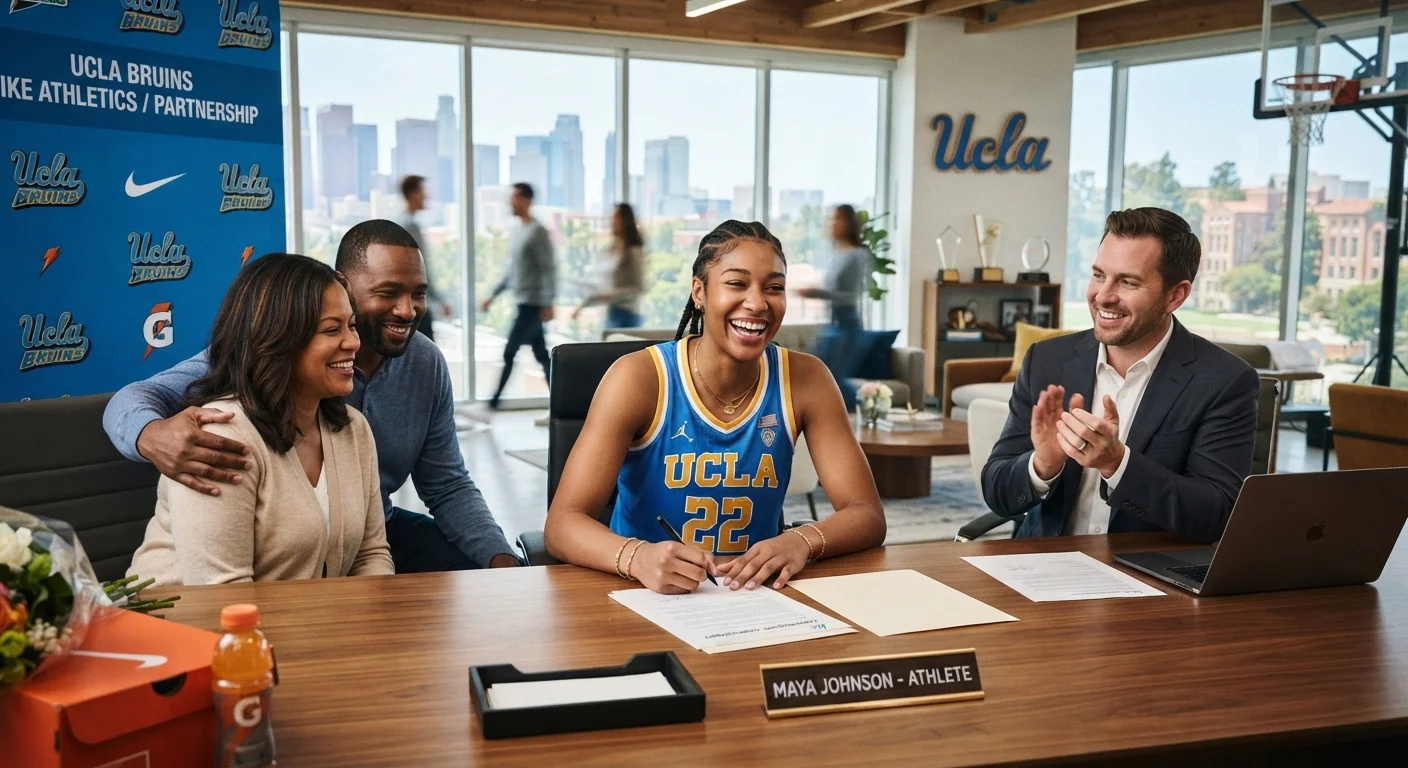
The change was immediate and sweeping. Athletes who had been prohibited from accepting a free meal from a booster could now sign endorsement contracts, appear in advertisements, and charge for autographs - all without sacrificing their eligibility. For fans, it fundamentally altered the college sports landscape, making athletes more visible as individuals and not just representatives of their schools.
To understand the full context of how athlete economics have shifted, see how NIL changed the reality of being a college athlete.
How Athletes Actually Earn Under NIL
NIL income flows through several common channels, each with its own mechanics:
- Social media sponsorships: Brands pay athletes to promote products or services on Instagram, TikTok, YouTube, and X. Follower count and engagement rate drive the rates.
- Endorsement deals: Local and national companies sign athletes to represent their brand - appearing in ads, on billboards, or in promotional materials.
- Autograph signings and appearances: Athletes can charge for signatures at events or make paid personal appearances at businesses and fan events.
- Camps and instruction: Athletes can run their own skills camps and charge participants, something previously restricted under NCAA rules.
- Merchandise and licensing: Athletes can sell licensed apparel, digital content, or other merchandise featuring their name or image.
$1.17B+
Estimated annual NIL market value
Opendorse, a NIL platform, estimated the college NIL market surpassed $1.17 billion in deals annually within two years of the policy change.
Top 1%
Athletes earning the largest NIL deals
A small percentage of high-profile athletes - predominantly in football and men's basketball at major programs - account for a disproportionate share of total NIL revenue.
2021
Year NCAA NIL restrictions were lifted
The NCAA formally suspended its NIL restrictions on July 1, 2021, following state legislation and mounting legal pressure.
NIL collectives - independent, booster-backed organizations - have added another layer. These groups aggregate donor money and distribute it to athletes through structured deals, often tied to community appearances or content obligations. They have become particularly influential in recruiting conversations, though the NCAA continues to scrutinize their role.
What Remains Off Limits
NIL is not an open door to unlimited compensation. Several significant restrictions remain in place, and athletes, coaches, and compliance offices navigate them carefully.
Schools themselves are still prohibited from paying athletes directly as employees - though this boundary is actively being challenged in courts and through proposed revenue-sharing frameworks. NIL deals cannot legally be used as recruitment inducements, meaning a school cannot promise a recruit a specific deal as part of the pitch to enroll. Using a university's trademark or branding in a deal typically requires prior approval from the school's compliance office.
Athletes Should Seek Financial and Legal Guidance
NIL income is generally taxable, and athletes new to earning significant compensation should consult a tax professional or financial adviser. Many universities now offer NIL education programs, financial literacy workshops, and access to advisers who can help student-athletes manage contracts and understand their obligations. Taking advantage of these resources early can prevent costly mistakes.
Athletes must also report NIL activity to their schools under most institutional policies, and deals involving certain categories - gambling, alcohol, and substances banned by the NCAA - are commonly prohibited. The regulatory environment remains fluid; schools, conferences, and the NCAA continue to issue updated guidance as legal challenges reshape the rules.
For athletes thinking about how NIL earnings fit into a longer career arc, how college athletics shapes a professional career offers helpful perspective on the bigger picture.
The Bigger Picture for College Sports
NIL has accelerated other shifts in college athletics, most notably the explosion of the transfer portal. Athletes now factor NIL market size into transfer decisions, weighing whether a new school offers better exposure or collective backing. The transfer portal's impact on roster-building is deeply intertwined with NIL economics.
The financial ceiling varies dramatically by sport and market. High-profile quarterbacks and basketball stars at major programs can earn millions annually through collectives and national brands. Athletes in lower-visibility sports may earn modest but meaningful supplemental income. The disparity has sparked debate about fairness, but advocates argue that any compensation represents progress over the zero-dollar baseline that existed before 2021.
As the legal and policy landscape continues to evolve - including ongoing discussions about direct revenue sharing between schools and athletes - NIL remains one of the most consequential developments in the history of American collegiate sports. For athletes and fans alike, understanding how it works is essential to following college sports today.