

Key Takeaways
- Digital twins are virtual replicas of real-world objects that update using live sensor data.
- Industries use them to predict equipment failures before they happen, reducing costly downtime.
- They enable low-risk simulation - testing changes virtually before committing to them physically.
- Healthcare, urban planning, manufacturing, and aerospace are among the leading adoption sectors.
- Digital twins sit at the intersection of IoT, data modeling, and increasingly, AI-driven analytics.
Digital Twin
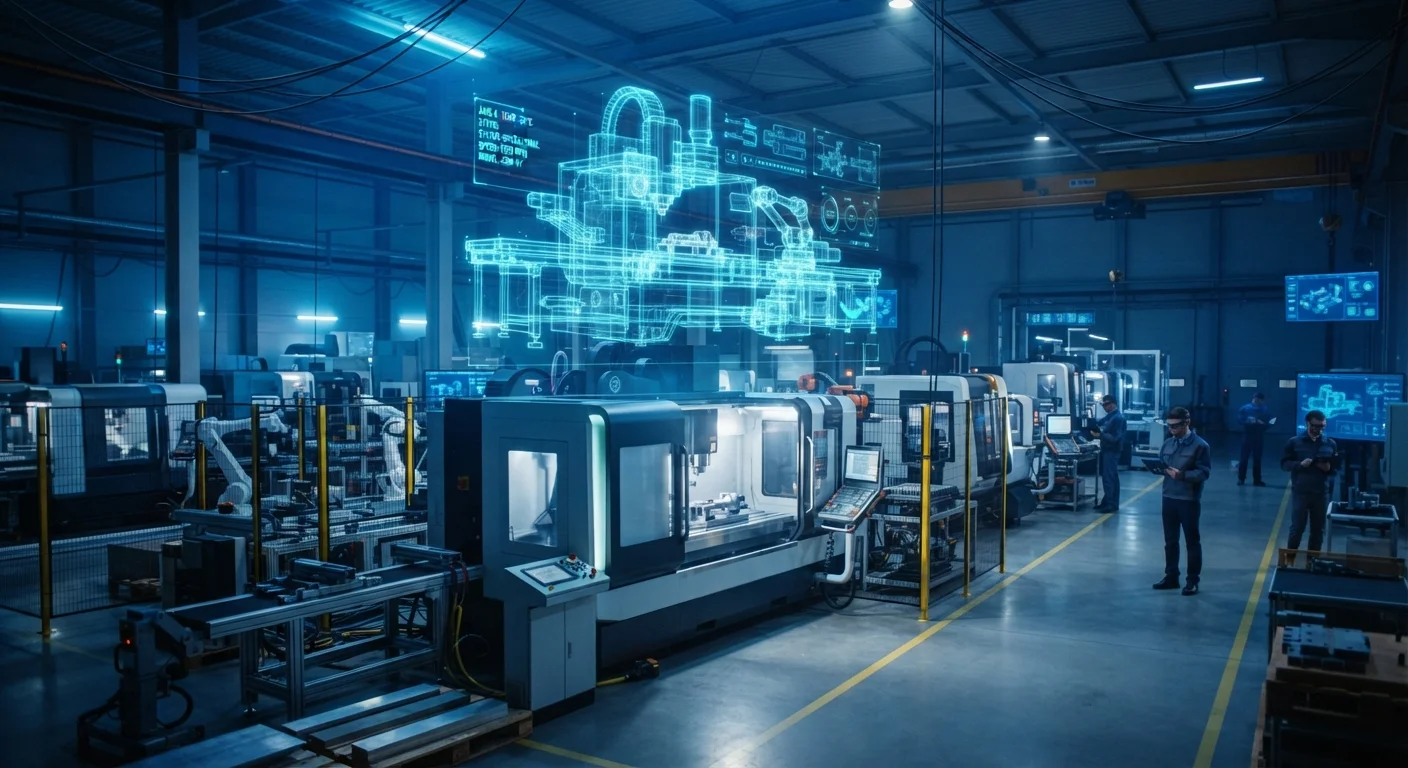
A digital twin is a virtual replica of a real-world object, process, or system that updates in real time using live data. Engineers and operators use it to monitor performance, run simulations, and predict problems - all without touching the physical asset. Think of it as a continuously updated digital shadow of something that exists in the real world.
Digital twins rely on IoT sensors, data pipelines, and modeling software to synchronize the virtual model with its physical counterpart; more advanced implementations layer in machine learning to surface predictive insights.
The Concept Behind the Buzzword
The phrase "digital twin" sounds abstract, but the underlying idea is straightforward. Take a physical object - a jet engine, a hospital ward, a city block - instrument it with sensors, and pipe that data into a dynamic virtual model. The result is a mirror image that reflects what the real thing is doing right now, not what it was doing last quarter.
NASA is widely credited with pioneering the concept, using detailed virtual models of spacecraft to troubleshoot problems from Earth when physical access was impossible. Over time, the approach migrated into industrial manufacturing, then spread further as sensor costs dropped and cloud computing made it practical at scale.
For a broader grounding in the vocabulary around emerging technologies like this one, the tech trend glossary is a useful reference point.
Digital Twins vs. Basic Monitoring Dashboards
A dashboard that displays current sensor readings is not a digital twin. A true digital twin incorporates a dynamic model of how the system behaves - allowing simulation and prediction, not just observation. The distinction matters when evaluating what a technology investment actually delivers.
What Digital Twins Actually Do in Practice
The most immediate value is predictive maintenance. Rather than waiting for a piece of equipment to fail - or replacing it on a fixed schedule regardless of condition - operators can watch for early warning signs in the twin's data stream. A turbine whose digital counterpart shows abnormal vibration patterns can be inspected or adjusted before any breakdown occurs.
Beyond prevention, digital twins are powerful simulation environments. A manufacturer considering a new production layout can model the change in the twin first, running thousands of virtual scenarios in hours rather than reconfiguring a physical floor over weeks. Urban planners have applied the same logic to traffic systems, testing how a new road configuration would affect congestion before a single lane is painted.
$73.5B
Projected global digital twin market value
Market research firm MarketsandMarkets has estimated the digital twin market could reach this scale by 2027, reflecting adoption across manufacturing, healthcare, and infrastructure sectors.
~25%
Potential maintenance cost reduction
Industry analyses have suggested predictive maintenance enabled by digital twins can reduce unplanned downtime costs by roughly a quarter, though results vary significantly by sector and implementation quality.
3+
Major sectors with active large-scale deployments
Aerospace, energy, and manufacturing each have well-documented, large-scale digital twin programs operating today, with healthcare and urban planning representing fast-growing adoption areas.
This simulation capability connects naturally to the broader idea of blending physical and digital environments - a direction also explored in spatial computing.
Where the Technology Is Taking Hold
Manufacturing remains the heartland of digital twin adoption. Complex assembly lines, chemical plants, and energy grids all benefit from continuous virtual monitoring. In the energy sector, wind farm operators use turbine twins to optimize blade angles based on real-time weather data, improving output without physical adjustment.
Healthcare has emerged as a compelling newer frontier. Researchers have modeled individual organs - most notably the heart - to simulate how a specific patient might respond to a treatment or surgical approach. These aren't in routine clinical use yet, but the trajectory is clear.
Smart cities represent perhaps the most ambitious application. Singapore has maintained a detailed digital twin of its urban infrastructure for years, using it to model everything from emergency response scenarios to long-term climate resilience planning.
Like cloud storage or contactless payments, digital twins may be on the path described in how yesterday's tech novelties become infrastructure - quietly becoming the default operating layer for complex systems.
Honest Limitations Worth Knowing
Digital twins are genuinely powerful, but coverage of the technology sometimes outpaces reality. A twin's accuracy depends entirely on the quality and density of data feeding it. Gaps in sensor coverage, latency in data pipelines, or poorly calibrated models can produce a virtual picture that drifts from what's actually happening physically.
Building a meaningful digital twin also requires significant upfront investment - in sensors, integration engineering, and the ongoing expertise to interpret outputs. Smaller organizations are increasingly finding entry points through cloud-based platforms, but complexity remains a barrier compared to the headline promise.
Evaluating Digital Twin Claims Critically
When a vendor or news article touts a digital twin deployment, look for specifics: what data sources feed it, how frequently it updates, and what decisions it has measurably improved. Vague claims about 'real-time visibility' without evidence of operational impact are a common sign of marketing overreach rather than genuine capability.
It's also worth applying the same critical lens recommended in evaluating inflated tech claims: vendor demonstrations of digital twins often show best-case scenarios with ideal data environments that don't always reflect real deployment conditions.