

Key Takeaways
- Unpaid parking tickets typically double or triple in cost once late fees are added.
- Many states place registration renewal holds on vehicles with outstanding citations.
- Accumulated tickets can lead to your vehicle being booted or towed.
- Some municipalities send delinquent fines to collections, which can affect your credit.
- Most jurisdictions allow you to contest a ticket formally before the deadline passes.
- Addressing citations promptly almost always costs less than waiting.
Parking Violation Escalation
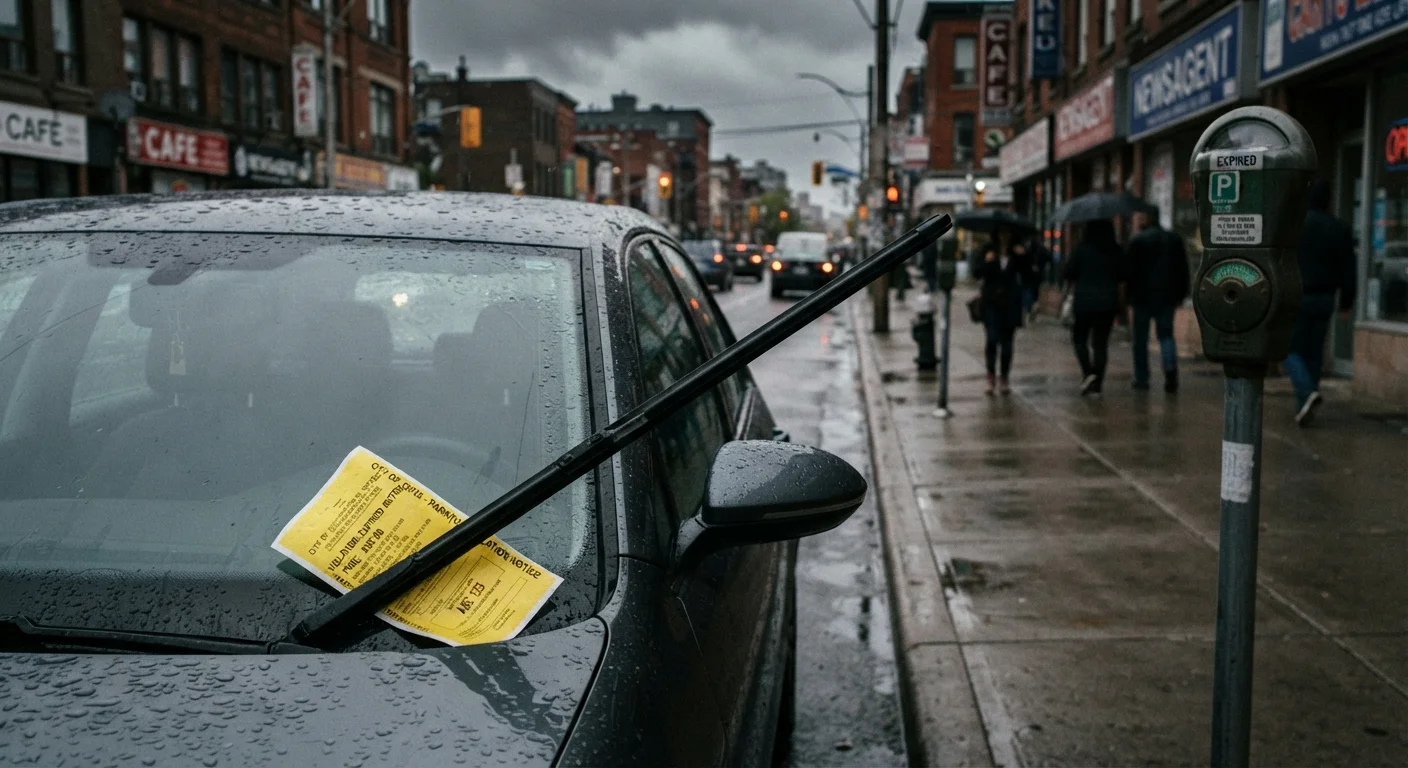
Parking violation escalation refers to the process by which an unpaid parking ticket grows in financial and legal consequence over time. What begins as a small fine can compound through late penalties, registration holds, vehicle immobilization, and even debt collection. Most jurisdictions have a structured enforcement timeline that kicks in automatically when citations go unresolved.
Enforcement mechanisms vary significantly by municipality and state. Some cities share data with the DMV to place registration holds; others contract with third-party debt collectors once a citation exceeds a set delinquency threshold.
The Escalation Timeline: How a Small Fine Grows
A single parking ticket might feel like a minor annoyance, but the enforcement system behind it is deliberately structured to escalate. Most municipalities assign an initial fine amount and then attach a late payment penalty - often equal to the original fine - if the citation isn't paid within a set window, commonly 30 days.
After that first escalation, a second notice is typically mailed to the registered owner. Ignore that, and the case may be referred to a collections unit or a third-party agency. At that point, the administrative costs alone can push the total well beyond the original citation amount.
2×-3×
Typical fine increase after late fees
Many municipalities double or triple the original citation amount once late penalties and administrative fees are applied after the payment deadline passes.
90-120 days
Common referral window to collections
A significant number of cities refer unresolved parking citations to third-party debt collectors within three to four months of the original issue date.
3+ tickets
Boot eligibility threshold in many cities
Urban enforcement programs frequently flag a vehicle for wheel-clamping once three or more outstanding citations are linked to the same license plate.
Part of responsible car ownership is understanding that citations are attached to the vehicle's registration record. As explained in our guide to complete car ownership responsibilities, the paper trail tied to your plate follows you through renewals, transfers, and even resale.
Registration Holds and What They Mean for You
One of the most common - and inconvenient - consequences of unpaid parking tickets is a registration hold placed by the state DMV. Many states share citation data with their motor vehicle agency, so when renewal time comes, the system flags your plate and blocks processing until outstanding fines are cleared.
Driving on an expired registration creates an entirely new violation risk, compounding the original problem. An officer who runs your plate during a routine stop can see both the expired registration and any linked citations, which could result in additional fines or even a vehicle being taken off the road.
Check for Outstanding Citations Before Renewal
Most cities offer an online portal where you can look up citations by license plate or citation number. Checking this before your registration renewal date gives you time to pay or dispute any outstanding tickets without the pressure of a hard deadline. Many municipalities also offer payment plans for drivers who cannot pay the full balance at once.
Boots, Tows, and Impound Fees
In cities with active enforcement programs, vehicles with multiple unpaid tickets are flagged in a database that parking enforcement officers can check in real time. Once a threshold is crossed - often three or more delinquent tickets - the vehicle becomes eligible for booting.
A boot must typically be removed within a specified window before the car is towed to an impound lot. Impound fees accumulate daily, and retrieval requires paying all outstanding fines, the tow fee, and accrued storage charges simultaneously. What started as a $50 citation can realistically become a $500-plus situation.
When Tickets Enter the Credit System
Parking citations themselves are civil matters and are not directly reported to credit bureaus. However, once a delinquent ticket is transferred to a third-party debt collector, that collection account can be reported and may damage your credit profile. The impact of a collections entry is significant and can persist for years.
For a deeper look at how missed civil and financial obligations affect your credit standing, see our related coverage on what happens to your credit when you miss a payment and how a collections account affects your credit.
The parallel to deferred vehicle maintenance is worth noting: much like skipping service intervals compounds into larger costs, ignoring citations allows small penalties to snowball into significant financial and credit consequences.
This article provides general educational information about parking citation enforcement processes. Rules, timelines, and consequences vary by state and municipality. Consult your local traffic court or DMV for guidance specific to your situation.