

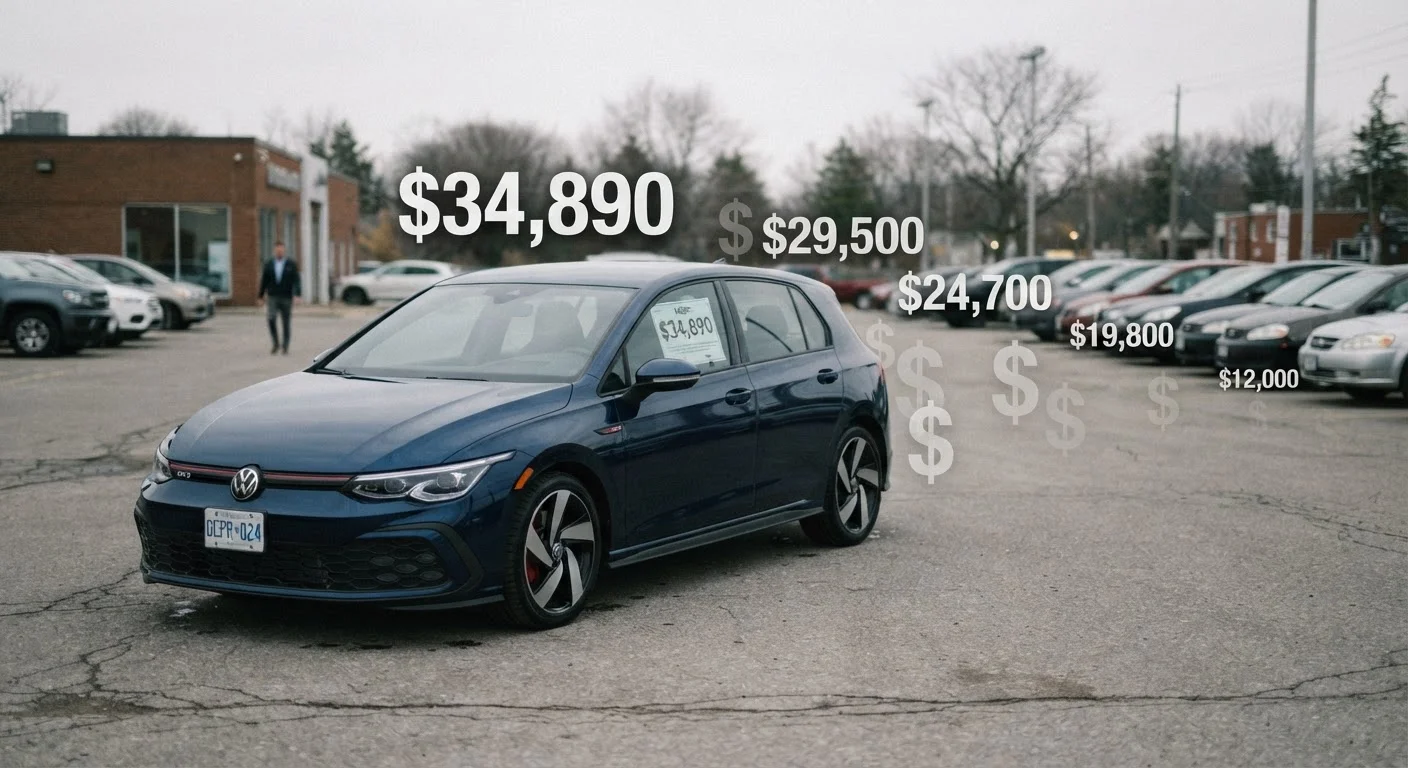
Key Takeaways
- Most new vehicles lose 15-25% of their value within the first year of ownership.
- Depreciation is the single largest cost of owning a vehicle for most Americans, often exceeding fuel or insurance.
- Buying a vehicle that is two to three years old can significantly reduce the depreciation hit.
- Vehicle type, brand reputation, mileage, and condition all influence how fast a car loses value.
- Understanding depreciation helps owners time purchases and sales more strategically.
Vehicle Depreciation
Depreciation is the loss in a vehicle's market value over time. Every car depreciates - meaning it becomes worth less the older it gets and the more miles it accumulates. This decline in value is not a line item on any monthly bill, which is why many owners overlook it as a cost entirely.
Depreciation is typically measured as the difference between a vehicle's purchase price and its current market resale value, often expressed as a percentage of original MSRP over a set period.
The Cost You Never See on a Bill
When most drivers think about the cost of owning a car, they picture insurance premiums, gas fill-ups, and the occasional repair bill. But the single largest expense quietly eroding their finances never appears on a monthly statement: depreciation.
As soon as a new vehicle leaves the dealership lot, it begins losing value. That loss is real money - the gap between what you paid and what the car would fetch if you sold it tomorrow. For a $40,000 vehicle losing 20% in year one, that's $8,000 gone before the first oil change. Over five years, the accumulated loss often dwarfs what the owner spent on fuel or maintenance combined.
See how depreciation fits into the full picture of annual ownership costs to understand just how large this line item really is.
~20%
Average new-car value lost in year one
Industry valuation data consistently shows most new vehicles lose 15-25% of their value within the first 12 months of ownership.
40-60%
Value lost over five years on average
According to automotive valuation analysts, a typical new vehicle retains only 40-60% of its original purchase price after five years.
$6,000+
Estimated annual depreciation cost per vehicle
AAA's annual 'Your Driving Costs' studies have consistently ranked depreciation as the largest single category of vehicle ownership expense for new-car buyers.
What Drives Depreciation?
Depreciation is not random. Several factors determine how quickly - or slowly - a vehicle sheds value:
- Age and mileage: The two most powerful drivers. Older vehicles with higher mileage are worth less to buyers, all else equal.
- Make and model reputation: Vehicles known for long-term reliability and lower ownership costs tend to hold value better in the resale market.
- Supply and demand: A model with strong buyer demand and limited inventory depreciates more slowly. Conversely, a segment flooded with inventory can see steeper drops.
- Fuel economy trends: Shifting consumer preferences - such as rising gas prices making large SUVs less desirable - can accelerate depreciation for certain vehicle types.
- Condition and accident history: Vehicles with documented damage, deferred maintenance, or poor cosmetic condition depreciate faster than comparable well-kept examples.
Understanding these levers matters because some are partially within an owner's control. Keeping a vehicle in good condition, following the maintenance schedule, and being strategic about timing a sale can all influence the realized depreciation.
Check Resale Value Before You Buy
Before purchasing any vehicle, look up its projected five-year resale value using established automotive valuation tools. Two vehicles with similar sticker prices can have dramatically different depreciation curves. Factoring this in upfront gives you a clearer picture of the true cost you're committing to.
Strategies to Minimize the Depreciation Hit
You cannot eliminate depreciation, but you can make smarter decisions that reduce its financial impact.
Buy used, not new. The steepest depreciation typically occurs in the first one to three years of a vehicle's life. Purchasing a vehicle in that age range lets someone else absorb the largest value drop. A well-maintained two-year-old vehicle with modest mileage can offer most of the reliability of new at a meaningfully lower cost basis.
Consider total cost, not just sticker price. A vehicle with a lower purchase price but faster depreciation may cost more over a five-year ownership window than a pricier model that holds its value. This is why total cost of ownership is a more useful frame than purchase price alone.
Be strategic about when you sell. Depreciation is not perfectly linear. Selling before a vehicle crosses certain age or mileage thresholds - often around 100,000 miles - can result in a meaningfully better resale value than waiting.
Maintain the vehicle properly. A documented service history and clean condition signal lower risk to buyers, which supports resale value. This intersects with common car-care misconceptions that can lead to deferred maintenance and accelerated depreciation.
Depreciation in the Context of EVs and Emerging Markets
Electric vehicles add a layer of complexity to the depreciation conversation. Early EV models experienced rapid depreciation partly due to improving battery technology, falling new-vehicle prices, and evolving buyer confidence. As the EV market matures, depreciation patterns are still being established - making it an area where general assumptions about used-car value may not apply cleanly.
For a more complete look at how depreciation interacts with energy costs, charging infrastructure, and long-term ownership math, the EV ownership cost breakdown is worth reviewing before committing to an electric vehicle purchase.
Regardless of powertrain, the core principle holds: understanding how a vehicle loses value over time is as important as understanding its sticker price. Depreciation does not announce itself - but it is always running in the background, shaping the true cost of every mile you drive.
“Depreciation is the largest cost of vehicle ownership for most people, yet it's the one they think about least because they never write a check for it.”
— Automotive financial analysts, Industry consensus reflected across AAA and consumer finance research