

Key Takeaways
- A gluten-free diet is medically essential for people diagnosed with celiac disease.
- Non-celiac gluten sensitivity is a recognized condition but is distinct from celiac disease.
- Most healthy adults without a diagnosed condition do not need to avoid gluten.
- Eliminating gluten without medical guidance may lead to nutritional gaps.
- Always consult a healthcare provider before making major dietary changes.
Gluten-Free Diet
A gluten-free diet eliminates gluten, a protein found in wheat, barley, and rye. It is the primary medical treatment for celiac disease and is also followed by people with non-celiac gluten sensitivity. Without this dietary change, people with celiac disease risk serious intestinal damage from consuming even small amounts of gluten.
Gluten triggers an autoimmune response in people with celiac disease, causing the immune system to attack the small intestinal lining and impairing nutrient absorption - a process distinct from a food allergy or intolerance.
What Gluten Is and Where It's Found
Gluten is a family of proteins - primarily gliadin and glutenin - found in wheat, barley, and rye. In baked goods, gluten gives dough its elasticity and bread its chewy texture. It's a structural protein, not a toxin, and for most people it poses no health concern.
Beyond obvious sources like bread, pasta, and baked goods, gluten hides in less expected places: soy sauce, malt vinegar, beer, some salad dressings, and even certain medications or supplements. This widespread presence is precisely why managing a gluten-related condition requires careful attention to food labels and preparation environments.
Oats deserve a special mention. They are naturally gluten-free, but are frequently processed in facilities that handle wheat, leading to cross-contamination. People with celiac disease typically need oats that are specifically certified gluten-free.
Conditions That Make Gluten Medically Relevant
Three distinct diagnoses drive most clinical recommendations to avoid gluten:
- Celiac disease: An autoimmune condition affecting roughly 1% of the US population in which gluten triggers an immune response that damages the small intestine's lining. Long-term untreated celiac disease can cause malabsorption of key nutrients and complications including anemia, bone loss, and neurological symptoms. A strict, lifelong gluten-free diet is the only established treatment.
- Non-celiac gluten sensitivity (NCGS): People with NCGS experience symptoms - bloating, abdominal pain, fatigue - after consuming gluten but test negative for celiac disease and wheat allergy. The mechanisms behind NCGS are still being studied, and research continues to explore whether gluten itself or other components of wheat (such as FODMAPs) are primarily responsible.
- Wheat allergy: An immune response specifically to wheat proteins, distinct from celiac disease. Management typically involves avoiding wheat rather than all gluten sources, though guidance varies by individual case.
~1%
US adults estimated to have celiac disease
Estimates from the National Institutes of Health suggest celiac disease affects approximately 1 in 100 people worldwide, though many cases remain undiagnosed.
~6%
People reporting non-celiac gluten sensitivity
Some research estimates suggest a larger segment of the population experiences gluten sensitivity symptoms without a celiac diagnosis, though prevalence figures vary by study methodology.
$9B+
US gluten-free food market value
Industry analyses have valued the US gluten-free food and beverage market at over $9 billion, reflecting widespread consumer adoption well beyond the medically affected population.
For anyone experiencing symptoms that may suggest a gluten-related condition, testing before dietary changes is critical. Going gluten-free before testing can mask results and make accurate diagnosis more difficult.
Who Doesn't Need to Go Gluten-Free
Despite a significant market for gluten-free products, the majority of people who purchase them do not have a diagnosed gluten-related condition. Surveys suggest many consumers associate gluten-free eating with general wellness or weight management - neither of which is supported by strong clinical evidence for people without gluten disorders.
Cutting out gluten unnecessarily can actually introduce nutritional trade-offs. Whole grains like wheat and barley contribute meaningful amounts of fiber, B vitamins (particularly folate and niacin), and iron. Many commercially produced gluten-free alternatives compensate for texture and flavor by using refined starches and added sugars, which can lower the overall nutritional quality of the diet.
Get Tested Before Going Gluten-Free
If you suspect you have a gluten-related condition, speak with your doctor before eliminating gluten from your diet. Testing for celiac disease - including blood antibody tests and potentially an intestinal biopsy - must be done while you are still consuming gluten to produce reliable results. Removing gluten beforehand can lead to a false negative and delay an accurate diagnosis.
For a broader look at how different dietary frameworks compare nutritionally, see our article on plant-based vs. omnivorous diets.
Navigating a Gluten-Free Diet Safely
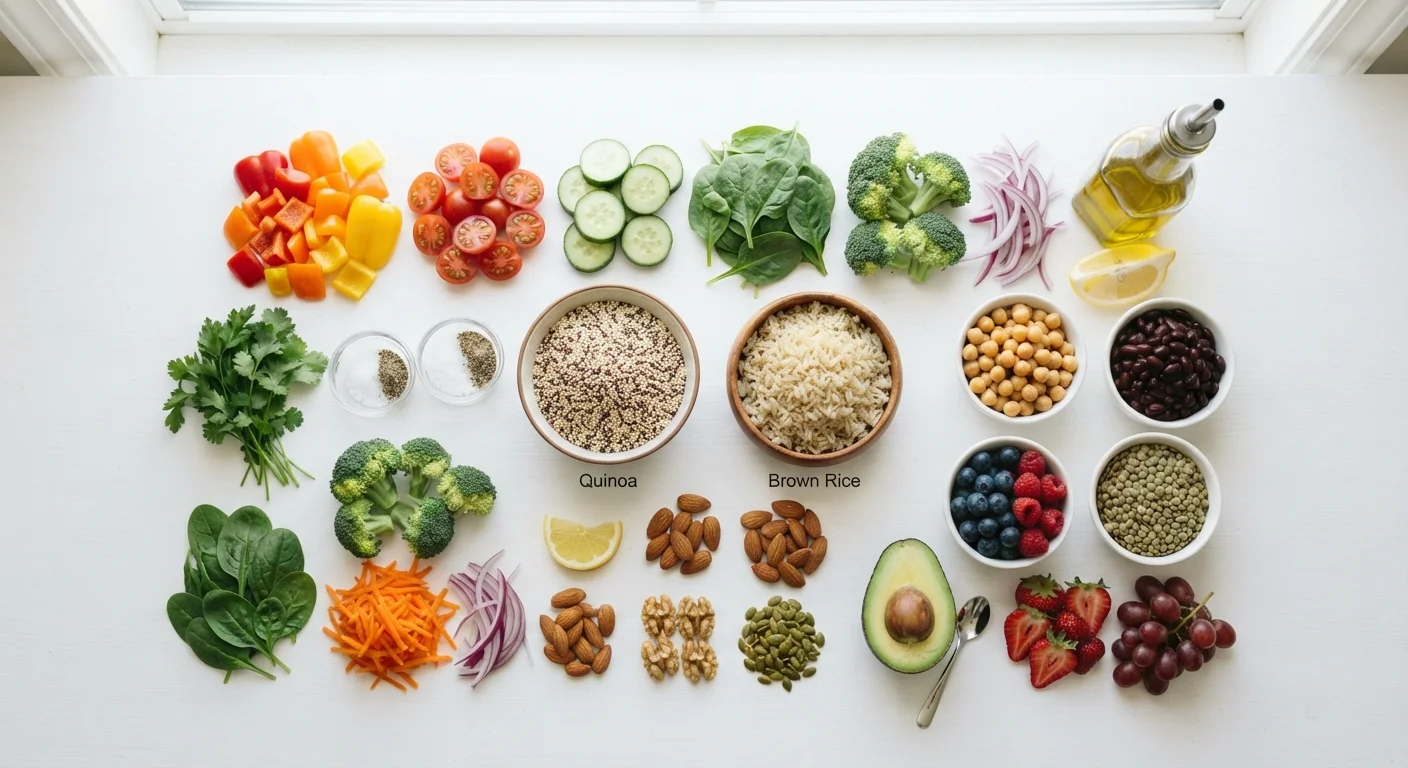
For those with a confirmed diagnosis, a well-planned gluten-free diet can be fully nutritious. The key is centering the diet on naturally gluten-free whole foods - rice, potatoes, legumes, fruits, vegetables, meat, fish, eggs, and dairy - rather than relying heavily on processed gluten-free substitutes.
Cross-contamination is a serious concern for people with celiac disease. Even trace amounts of gluten from shared cooking surfaces, utensils, or fryers can trigger a response. Managing this at home and when dining out requires clear communication and vigilance. For practical strategies on eating outside the home, our guide on maintaining nutritional goals while dining out offers useful approaches adaptable to gluten-free needs.
Working with a registered dietitian who has experience in gluten-related conditions is strongly recommended. They can identify potential nutrient gaps, recommend appropriate fortified foods, and help ensure the diet is sustainable and balanced over the long term. Understanding how dietary choices affect gut health is also valuable - see our piece on gut health and diet for more context.
This article is for general informational and educational purposes only and does not constitute medical advice. Anyone experiencing symptoms or considering significant dietary changes should consult a qualified healthcare professional before making decisions about their diet or health.