

Key Takeaways
- Roughly 70% of the sodium Americans eat comes from processed and restaurant foods, not added table salt.
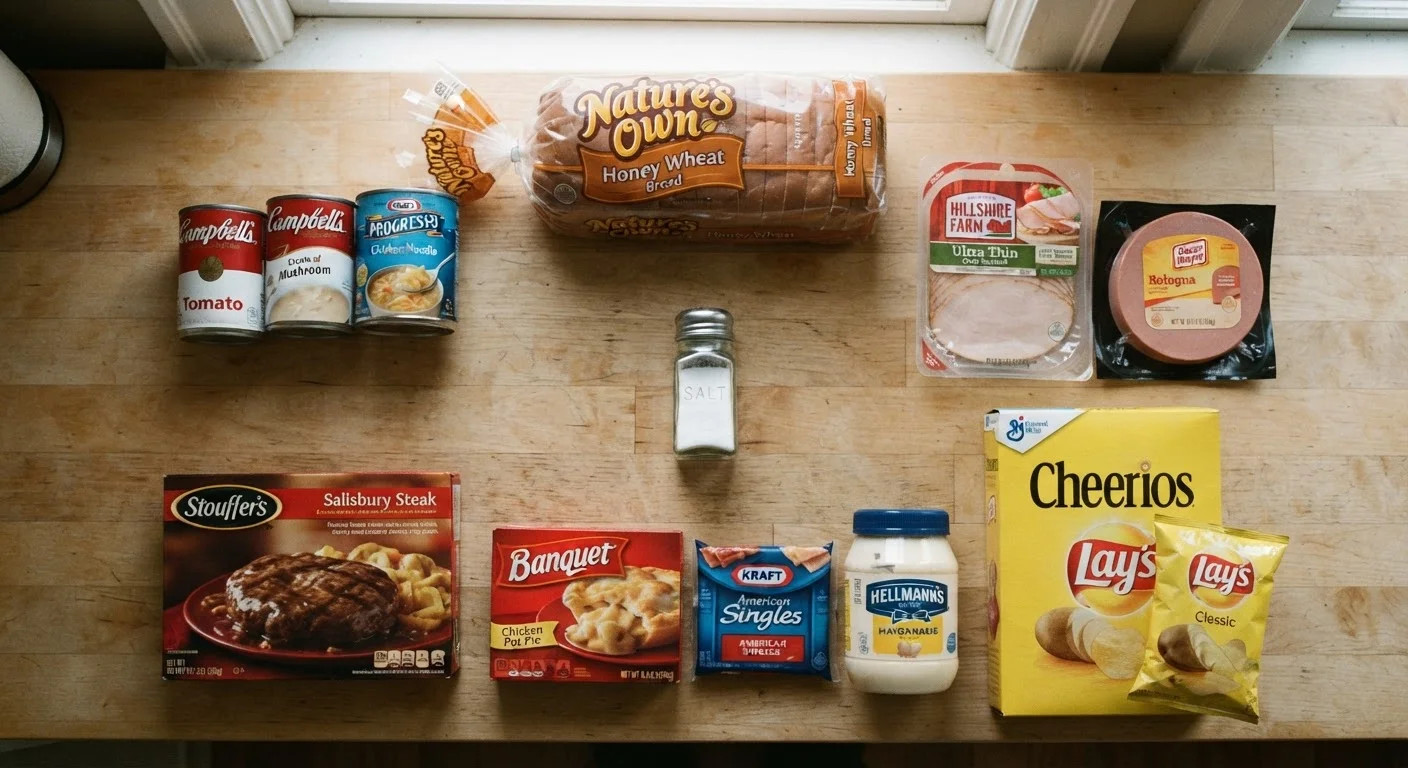
- Bread, cured meats, canned soups, and cheese are among the biggest sodium contributors in everyday eating.
- Sodium accumulates quickly across multiple meals, even when no single food seems especially salty.
- Reading nutrition labels is one of the most reliable ways to track actual sodium intake.
- Reducing sodium doesn't require eliminating flavor - herbs, spices, and acid-based seasonings are effective alternatives.
Dietary Sodium
Sodium is a mineral that plays essential roles in fluid balance, nerve signaling, and muscle function. In the diet, it appears primarily as sodium chloride - common table salt. The body requires a small amount of sodium daily, but most Americans consume significantly more than current health guidelines suggest.
Sodium is measured in milligrams (mg); dietary guidelines from organizations such as the U.S. Dietary Guidelines Advisory Committee generally recommend adults limit intake to 2,300 mg per day, with lower targets sometimes suggested for specific populations.
The Salt Shaker Misconception
When most people think about cutting back on sodium, they reach for the salt shaker. It's an intuitive first move - but research consistently shows that discretionary salt added at the table or during home cooking accounts for only about 11% of sodium intake for the average American. The real story is in what's already inside the food before it's prepared.
This distinction matters because it changes where attention should go. Focusing exclusively on the shaker while eating multiple processed meals a day is a bit like patching one leak in a system with dozens of others. Understanding the actual sources of sodium is the first step toward managing intake more effectively.
~70%
Sodium from processed and restaurant food
The CDC estimates that about 70% of Americans' sodium intake comes from packaged, processed, and foodservice sources.
3,400 mg
Average daily sodium intake for US adults
According to the U.S. Dietary Guidelines, the average American adult consumes approximately 3,400 mg of sodium per day - nearly 50% above the recommended limit.
11%
Sodium added at the table or during cooking
Research published through CDC surveillance data consistently shows discretionary salt use contributes only about 11% of total sodium intake.
Where the Sodium Really Comes From
The U.S. Centers for Disease Control and Prevention (CDC) has identified a consistent group of foods that collectively drive most sodium consumption in the American diet. These include:
- Breads and rolls - not always salty in taste, but eaten in large quantities across the day
- Cold cuts and cured meats - deli turkey, ham, salami, and similar products are sodium-dense by design
- Pizza - combines sodium from crust, cheese, and processed toppings
- Soups - a single can of commercial soup can contain 800-1,000 mg of sodium or more
- Cheese - varies by type, but most processed cheese contains significant added sodium
- Savory snacks - chips, crackers, and pretzels are obvious contributors
- Condiments and sauces - soy sauce, ketchup, salad dressing, and marinades
What makes these foods particularly significant is frequency of consumption. Even a modest serving of bread contributes sodium at every meal it appears. Over the course of a day, these incremental amounts add up without a single item seeming excessive in isolation.
Sodium Isn't Always Obvious by Taste
Foods high in sugar, fat, or strong flavors can mask saltiness even when sodium levels are high. This is particularly common in sweet-tasting sauces, breakfast cereals, and flavored yogurts. Relying on taste alone to gauge sodium content is unreliable - checking the label provides a more accurate picture.
Reading Labels to See the Full Picture
Nutrition labels are the most direct tool for understanding sodium content. The % Daily Value (% DV) column on a standard Nutrition Facts label uses 2,300 mg as the daily reference amount. A food labeled 20% DV or higher per serving is considered high in sodium; 5% DV or lower is considered low.
One detail worth watching: serving sizes on labels may be smaller than what's actually eaten. A soup labeled as two servings per can may be consumed in one sitting, effectively doubling the sodium figure listed. Checking serving size before reading any other number prevents this common miscalculation.
For those trying to make sense of competing claims and guidance online, learning to evaluate nutrition information critically is increasingly important. The article how to evaluate nutrition sources online offers practical guidance on identifying credible information.
Use the % Daily Value as a Quick Reference
When scanning a nutrition label quickly, the % Daily Value for sodium is your fastest guide. Aim to keep individual foods at or below 10% DV per serving where possible, and stay mindful of how many servings you're actually eating. This approach works across food categories without requiring you to memorize milligram targets.
Practical Ways to Lower Intake
Reducing sodium doesn't require a dramatic overhaul of eating habits. Several strategies can make a measurable difference with modest effort:
- Choose low-sodium or no-salt-added versions of canned goods, broths, and condiments when available.
- Cook from whole ingredients more often - homemade soups, sauces, and grain dishes allow direct control over sodium content.
- Rinse canned beans and vegetables before use; this can reduce sodium content by roughly 40% according to some estimates.
- Explore flavor alternatives - lemon juice, vinegar, garlic, fresh herbs, and spice blends add complexity without added sodium.
- Compare labels when shopping - sodium content for the same category of food (say, pasta sauce) can vary by several hundred milligrams between brands.
Nutrition is rarely about one nutrient in isolation. If you're also looking to improve your overall diet quality, understanding how fiber works alongside these changes can be helpful - see our overview on why most Americans fall short on dietary fiber.
This article is for general informational and educational purposes only and is not a substitute for professional medical or dietary advice. Consult a qualified healthcare provider before making significant changes to your diet, particularly if you have a health condition.