

| Primary Regulatory Agency | U.S. Environmental Protection Agency (EPA) |
| Year Residential Use Restrictions Began | Late 1970s (EPA / Consumer Product Safety Commission) |
| Homes Most at Risk | Built before 1980, especially pre-1970 |
| Safe to Test Yourself? | No - requires a licensed inspector or industrial hygienist |
| Removal Required By | Licensed abatement contractors under EPA and OSHA rules |
| Permits Often Required? | Yes - many states mandate testing before renovation permits are issued |
Why Asbestos Is Still a Concern in Older Homes
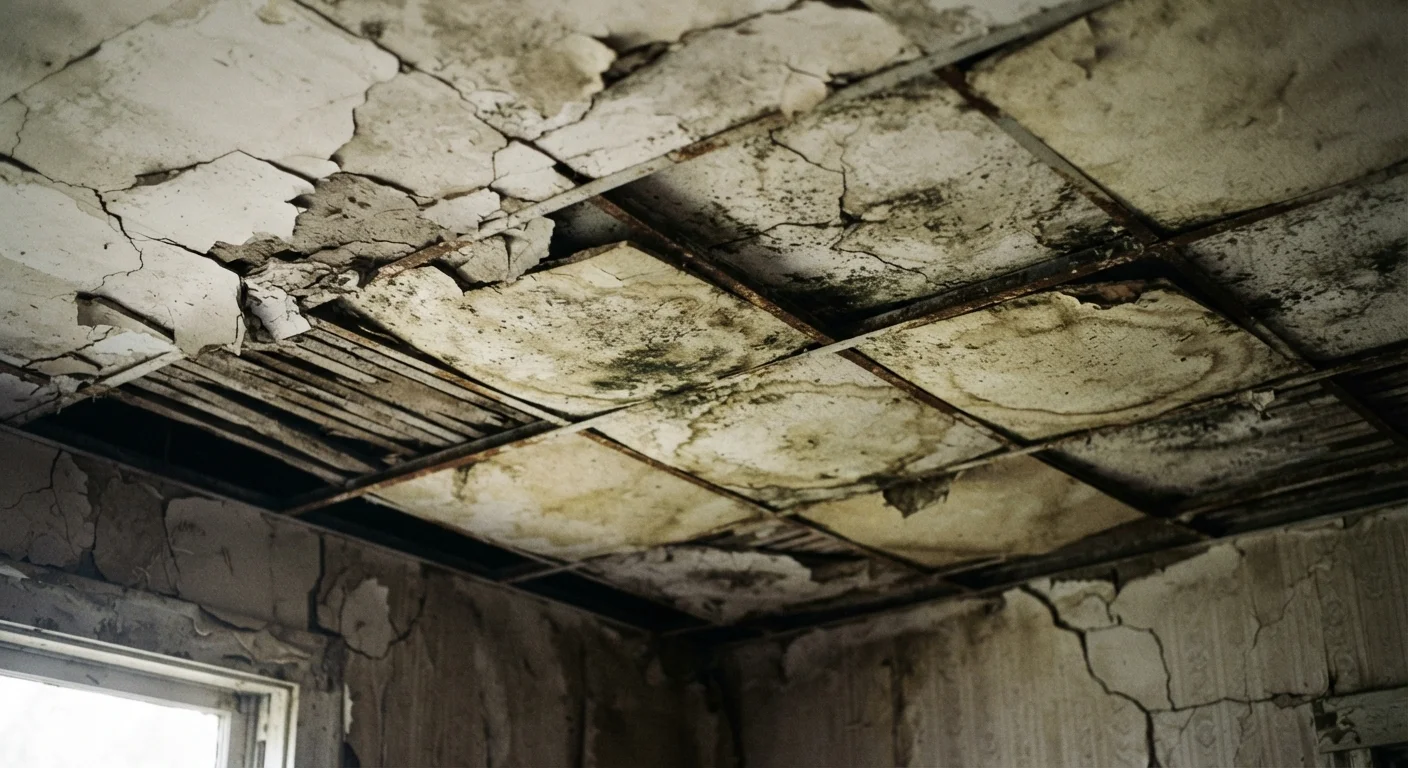
If your home was built before 1980 - and especially before 1970 - there's a real possibility it contains asbestos-containing materials (ACMs). Asbestos was widely used in residential construction for decades because of its durability, heat resistance, and low cost. The U.S. Environmental Protection Agency (EPA) and the Consumer Product Safety Commission began restricting its use in the late 1970s, but many homes built before those restrictions still contain ACMs today.
The critical thing to understand is that asbestos in place is not always an immediate hazard. When materials are intact and undisturbed, fibers generally remain bound within them. The danger arises when ACMs are cut, sanded, drilled, or demolished - activities that release microscopic fibers into the air where they can be inhaled. Before starting any renovation or repair on an older home, knowing where asbestos may be hiding is essential. See our home repair safety overview for additional foundational guidance.
| Primary Regulatory Agency | U.S. Environmental Protection Agency (EPA) |
| Year Residential Use Restrictions Began | Late 1970s (EPA / Consumer Product Safety Commission) |
| Homes Most at Risk | Built before 1980, especially pre-1970 |
| Safe to Test Yourself? | No - requires a licensed inspector or industrial hygienist |
| Removal Required By | Licensed abatement contractors under EPA and OSHA rules |
| Permits Often Required? | Yes - many states mandate testing before renovation permits are issued |
Where Asbestos Is Commonly Found
Asbestos wasn't used in just one or two materials - it was incorporated into dozens of building products. Homeowners should be especially alert in these areas:
- Floor tiles and backing: Nine-inch and twelve-inch vinyl floor tiles, particularly in kitchens and bathrooms, frequently contained asbestos, as did the adhesive beneath them.
- Pipe and duct insulation: Corrugated or wrap-style insulation on heating pipes and HVAC ducts was commonly asbestos-based.
- Popcorn and textured ceilings: Spray-applied ceiling textures used before 1978 often contained asbestos as a binder and fire retardant.
- Roofing and siding: Asbestos-cement shingles were popular mid-century for their weather resistance.
- Drywall joint compound: Some pre-1980 joint compounds and patching plasters included asbestos fibers.
- Attic and wall insulation: Vermiculite insulation, once common for attic fill, is associated with asbestos contamination.
This is not an exhaustive list. If you're planning a project that involves disturbing any original material in an older home - whether it's a wall repair, a flooring swap, or an HVAC upgrade - treat unknown materials with caution. Related projects like electrical panel upgrades in older homes can also disturb surrounding wall materials.
Asbestos-Containing Material (ACM)
Any product or building material that contains more than one percent asbestos by weight. ACMs are regulated by the EPA and must be handled according to specific federal and state guidelines.
Friable Asbestos
Asbestos material that can be crumbled, pulverized, or reduced to powder by hand pressure when dry. Friable ACMs are considered higher risk because fibers are more easily released into the air.
Abatement
The process of removing, enclosing, or encapsulating asbestos-containing materials to reduce or eliminate exposure risk. Abatement must be performed by licensed contractors following strict regulatory procedures.
Encapsulation
A method of managing intact asbestos materials by applying a sealant or covering that prevents fiber release, without removing the material itself. It is only appropriate when ACMs are in good condition.
Vermiculite
A mineral used as attic insulation in many mid-twentieth century homes. Much of the vermiculite sold in the U.S. before 1990 came from a mine with known asbestos contamination and should be tested before disturbance.
Testing, Regulations, and What You Should Do
You cannot identify asbestos by looking at it. The only reliable method is laboratory analysis. A licensed asbestos inspector or industrial hygienist can take samples of suspect materials using proper containment procedures and submit them for testing. Many states require this step before issuing permits for significant renovation work. Check with your local building department - understanding permit requirements is a smart first step regardless of asbestos concerns.
If testing confirms ACMs in your home, your options depend on the condition and location of the material:
- Encapsulation: Sealing or covering intact ACMs so fibers cannot be released. This is often appropriate for materials in good condition.
- Abatement (removal): Complete removal performed by a licensed asbestos abatement contractor. Federal and state regulations - enforced by the EPA and Occupational Safety and Health Administration (OSHA) - set strict requirements for how removal must be conducted, including air monitoring, worker protection, and disposal.
Do Not Disturb Suspect Materials on Your Own
Federal and most state regulations prohibit homeowners from performing their own asbestos abatement in certain situations, particularly in multi-family or commercial settings. Even in single-family homes where DIY removal may be technically permitted, the EPA strongly advises against it. Improper disturbance can spread fibers throughout the home and create a more expensive remediation problem than the original one. Always consult a licensed professional before proceeding.
Homeowners who plan to hire contractors for older-home repairs should also understand how subcontracting works. See our guide on working with subcontractors to know who is actually doing the work and what liability protections apply.
This article is for general informational purposes only. Regulations governing asbestos testing, handling, and disposal vary by state and locality. Always consult a licensed asbestos professional and verify requirements with your local authorities before beginning any work that may disturb asbestos-containing materials.