

Key Takeaways
- Window replacement costs typically range from $300 to $1,200 or more per window installed.
- Energy savings alone rarely offset full replacement costs within a short timeframe.
- Age, frame condition, and comfort problems are stronger decision drivers than energy math alone.
- Repair is often a viable and underrated alternative for structurally sound frames.
- Local climate, window orientation, and home age all shape whether new windows make sense.
Measurable reduction in drafts and cold spots
Modern double- or triple-pane windows with low-emissivity coatings significantly reduce heat transfer through the glass. Homes with failing single-pane windows often see the most dramatic comfort improvements.
Lower heating and cooling energy use over time
Energy-efficient windows can reduce the load on your HVAC system, particularly in extreme climates. The magnitude of savings depends heavily on how inefficient the existing windows are.
Reduced exterior noise infiltration
Laminated glass and tighter frame seals in modern windows provide meaningful sound attenuation compared to older single-pane or poorly sealed windows.
Reduced condensation and moisture risk
Newer insulated glass units maintain warmer interior glass surfaces, which reduces condensation. This can lower the risk of moisture damage to sills and surrounding drywall over time.
Improved ease of use and operation
Older windows with painted-shut sashes, broken balances, or failed hardware can be difficult or impossible to operate safely. Replacement restores proper function and egress compliance in sleeping areas.
Long payback period on energy savings alone
Most energy savings estimates suggest payback periods of 15 to 30 years for full window replacement, which exceeds the typical homeowner's planning horizon and may outlast the windows themselves.
High upfront project cost
A whole-house replacement on a medium-sized home can easily cost $10,000-$20,000 or more, depending on window count, style, and local labor rates - a significant capital commitment.
Repair is often a viable lower-cost alternative
Weatherstripping, re-glazing, adding storm windows, or repairing sash hardware can address many performance issues at a fraction of the replacement cost, particularly on structurally sound frames.
Resale return is often lower than expected
Industry resale estimates for window replacement have historically shown cost recovery well below 100%, meaning homeowners planning to sell soon may not recoup their investment at closing.
Installation quality varies significantly
Even high-quality replacement windows perform poorly if improperly installed. Air and water infiltration around the frame - not through the glass - is a common source of problems in poorly executed projects.
Our Verdict
Window replacement can meaningfully improve comfort, noise reduction, and long-term energy performance - but it's rarely a slam-dunk financial investment based on utility savings alone. The decision holds up best when multiple factors converge: visibly failing frames, persistent drafts or moisture intrusion, and plans to stay in the home long enough to benefit.
Homeowners dealing with deteriorating frames, significant air leakage, or comfort problems who plan to remain in the home for seven or more years.
Why This Decision Is Harder Than It Looks
Window replacement is one of the most commonly discussed home upgrades - and one of the most frequently oversimplified. The pitch is straightforward: new windows lower your energy bills and improve your home. The reality is more nuanced.
Replacement windows typically cost between $300 and $1,200 per window installed, depending on size, frame material, glass package, and labor in your region. A full house replacement project can easily run into the tens of thousands of dollars. At that price point, the decision deserves careful evaluation rather than a contractor's sales estimate alone.
The core challenge is that the payback period - how long it takes for energy savings to offset the upfront cost - is often quite long. A home with moderately inefficient windows might save a few hundred dollars annually on heating and cooling after upgrading. At that pace, recovering $10,000 or more in project costs takes many years, and that math assumes stable energy prices and no other intervening variables.
That said, energy savings aren't the only valid reason to replace windows. Understanding the full range of factors - not just utility bills - leads to a more honest assessment.
The Pros: When Replacement Makes Real Sense
There are genuine scenarios where new windows deliver meaningful value. The key is identifying whether your situation actually fits them.
Measurable reduction in drafts and cold spots
Modern double- or triple-pane windows with low-emissivity coatings significantly reduce heat transfer through the glass. Homes with failing single-pane windows often see the most dramatic comfort improvements.
Lower heating and cooling energy use over time
Energy-efficient windows can reduce the load on your HVAC system, particularly in extreme climates. The magnitude of savings depends heavily on how inefficient the existing windows are.
Reduced exterior noise infiltration
Laminated glass and tighter frame seals in modern windows provide meaningful sound attenuation compared to older single-pane or poorly sealed windows.
Reduced condensation and moisture risk
Newer insulated glass units maintain warmer interior glass surfaces, which reduces condensation. This can lower the risk of moisture damage to sills and surrounding drywall over time.
Improved ease of use and operation
Older windows with painted-shut sashes, broken balances, or failed hardware can be difficult or impossible to operate safely. Replacement restores proper function and egress compliance in sleeping areas.
Comfort improvements - reduced drafts, more consistent indoor temperatures, and lower condensation - are often the most immediately felt benefit. For homeowners who spend winters next to a cold, drafty window, this quality-of-life gain can be substantial regardless of the energy math.
Noise reduction is another underappreciated benefit, particularly for homes near highways, airports, or busy streets. Modern laminated glass and tighter seals can noticeably dampen exterior sound.
$300-$1,200+
Typical cost per window installed
Cost estimates from home improvement industry sources reflect wide variation based on window type, frame material, and regional labor rates.
15-30 years
Estimated energy-savings payback period
Energy efficiency analyses commonly show that payback from reduced utility costs alone takes well over a decade for most replacement projects.
The Cons: What the Marketing Often Leaves Out
For all the genuine benefits, there are meaningful downsides that don't always make it into the sales conversation.
Long payback period on energy savings alone
Most energy savings estimates suggest payback periods of 15 to 30 years for full window replacement, which exceeds the typical homeowner's planning horizon and may outlast the windows themselves.
High upfront project cost
A whole-house replacement on a medium-sized home can easily cost $10,000-$20,000 or more, depending on window count, style, and local labor rates - a significant capital commitment.
Repair is often a viable lower-cost alternative
Weatherstripping, re-glazing, adding storm windows, or repairing sash hardware can address many performance issues at a fraction of the replacement cost, particularly on structurally sound frames.
Resale return is often lower than expected
Industry resale estimates for window replacement have historically shown cost recovery well below 100%, meaning homeowners planning to sell soon may not recoup their investment at closing.
Installation quality varies significantly
Even high-quality replacement windows perform poorly if improperly installed. Air and water infiltration around the frame - not through the glass - is a common source of problems in poorly executed projects.
It's also worth thinking critically about resale value claims. Resale value estimates for home upgrades are frequently overstated and vary widely by market, buyer preference, and how recently the upgrade was completed. Windows rarely return their full cost at resale, though they may support a home's marketability in competitive markets.
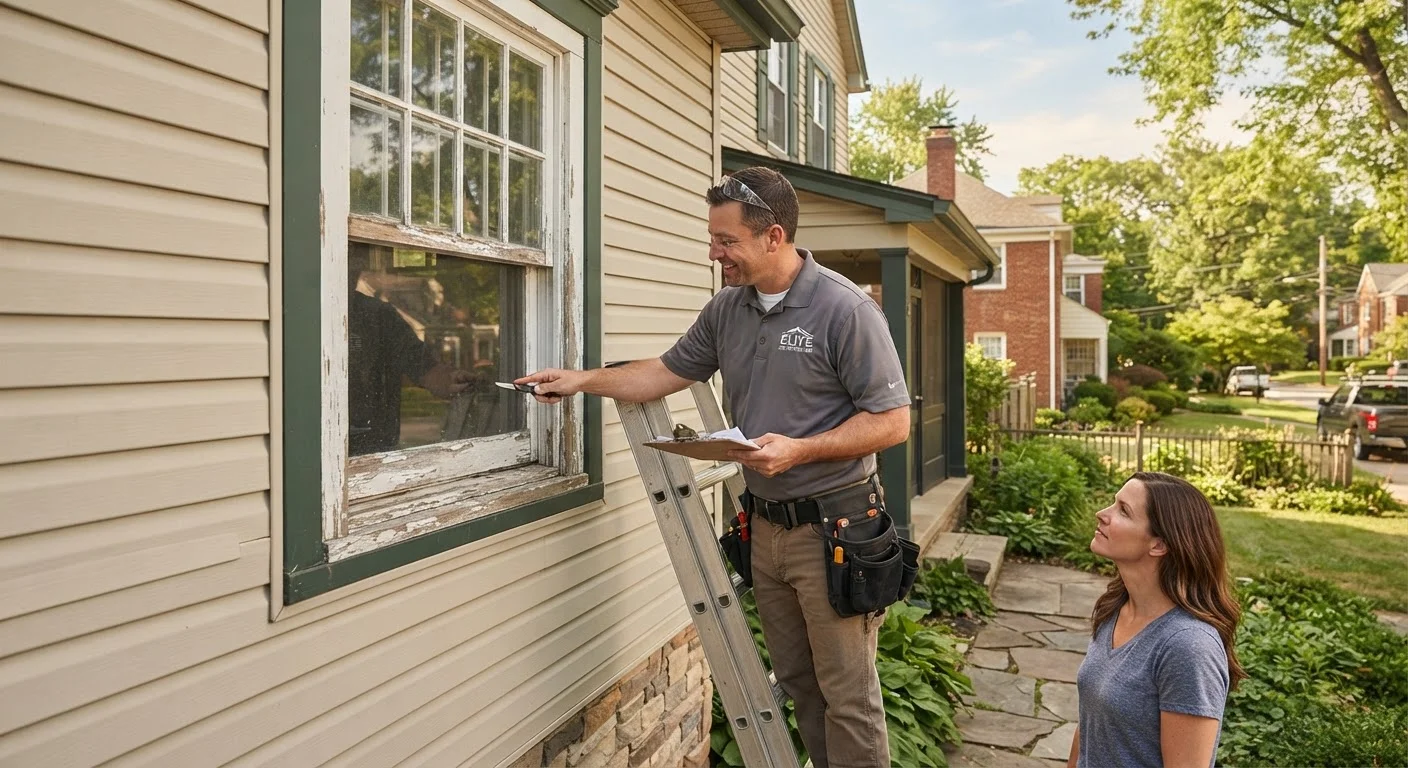
The repair-versus-replace question deserves honest attention too. If window frames are structurally intact and the primary issue is air leakage, weatherstripping, re-glazing, or adding interior storm panels may address the problem at a fraction of the cost. This is especially worth exploring in homes with historic or original-character windows that are difficult or expensive to match.
How to Build Your Own Evaluation Framework
Rather than relying on a single metric like payback period, consider how several factors stack up together:
- Frame condition: Rotting wood, warped frames, or broken seals that trap moisture between panes are strong indicators that replacement, not repair, is the right path.
- Home age and original windows: Windows in homes built before the 1980s are likely single-pane or early double-pane designs with far lower performance than modern options.
- Climate severity: In regions with harsh winters or hot summers, the gap between old and new window performance is wider - and the comfort benefit is larger.
- Length of occupancy: If you plan to stay in the home for ten or more years, you have time to realize both comfort and energy benefits. A shorter horizon makes the financial case weaker.
- Scope of the project: Replacing a few problem windows is a very different investment than replacing every window in a large home. Prioritizing the worst performers first is a reasonable middle path.
This kind of structured thinking applies beyond windows. The same repair-versus-replace framework is useful for evaluating major decisions on aging assets of all kinds.
Permits and Local Code Requirements
In many US jurisdictions, window replacement that involves altering the rough opening size or type requires a building permit. Even like-for-like replacements may trigger inspection requirements in some localities. Always check with your local building department before starting work, and confirm that any contractor you hire pulls the necessary permits. Unpermitted work can create complications at resale and may affect homeowner's insurance claims.
If you proceed, always verify whether your local jurisdiction requires permits for window replacement, particularly if structural changes to the opening are involved. Requirements vary by municipality.