

| Standard return window (retail) | 15-30 days (varies by retailer) |
| Credit card chargeback window | Typically 60-120 days from statement date (Fair Credit Billing Act) |
| Federal online shipping rule | Retailer must ship within stated timeframe or offer refund (FTC Mail or Telephone Order Rule) |
| Implied warranty coverage | Applies to most U.S. consumer product sales by default (Uniform Commercial Code (UCC)) |
| Small claims court limit (typical) | $5,000-$10,000 (varies by state) |
Why Post-Purchase Documentation Matters
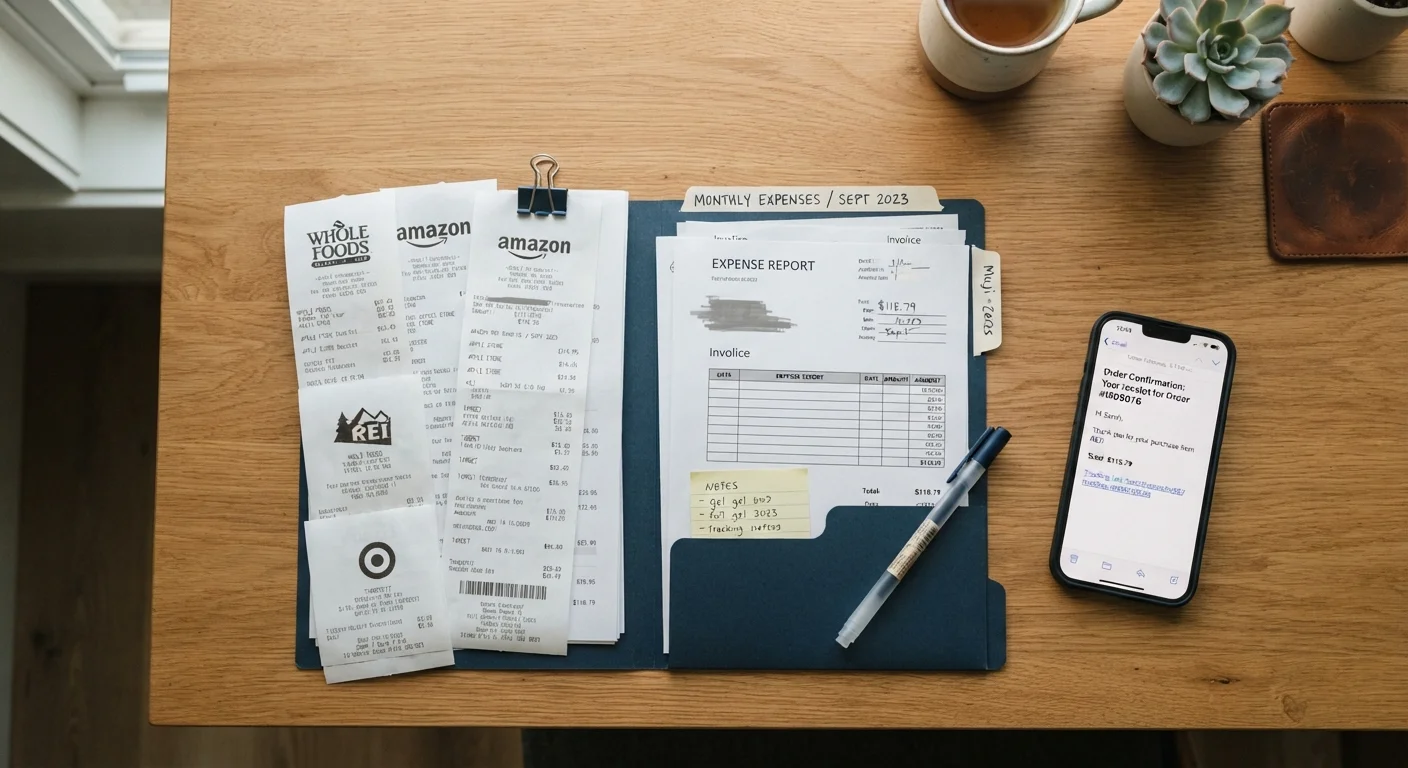
Most consumer problems - defective products, disputed charges, denied warranty claims - don't surface at the register. They show up weeks or months later. At that point, your documentation is your leverage.
A clear paper trail gives you standing to request refunds, escalate disputes, or file formal complaints. Without it, you're largely at the retailer's discretion. Before your next significant purchase, review questions to pressure-test any buying decision - then commit to the record-keeping habits below.
| Standard return window (retail) | 15-30 days (varies by retailer) |
| Credit card chargeback window | Typically 60-120 days from statement date (Fair Credit Billing Act) |
| Federal online shipping rule | Retailer must ship within stated timeframe or offer refund (FTC Mail or Telephone Order Rule) |
| Implied warranty coverage | Applies to most U.S. consumer product sales by default (Uniform Commercial Code (UCC)) |
| Small claims court limit (typical) | $5,000-$10,000 (varies by state) |
What to Keep and How Long to Keep It
Not every receipt deserves a permanent file, but certain categories warrant long-term storage:
- Major appliances and electronics: Keep receipts and warranty cards for the life of the product plus one year.
- Home improvement purchases: Retain receipts and contractor invoices indefinitely - they can affect resale value and insurance claims. Good record-keeping habits for vehicles work the same way; see how maintenance records pay off at resale.
- Clothing and everyday goods: Hold until the return window closes.
- Online orders: Save order confirmation emails and shipping notifications until the item is received and confirmed satisfactory.
For practical systems to organize digital records, managing digital receipts effectively offers a straightforward approach.
Implied warranty
An unwritten guarantee, recognized under U.S. law, that a product will perform its basic intended function. It applies even if no formal written warranty is provided.
Chargeback
A reversal of a credit or debit card transaction initiated by the cardholder's bank. It is a consumer protection mechanism for qualifying disputes such as non-delivery or significant misrepresentation.
Extended warranty
A service contract purchased separately from a product that extends or supplements the manufacturer's original warranty. Terms, coverage, and value vary significantly between providers.
Statute of limitations
The legal deadline by which a consumer must file a claim or lawsuit. Time limits vary by state, claim type, and product category.
FTC (Federal Trade Commission)
A U.S. government agency that enforces consumer protection laws and accepts public complaints about deceptive or unfair business practices.
Your Core Consumer Rights
Federal and state laws establish baseline protections that apply regardless of what a retailer's policy says. Understanding these helps you know when a store's response is legally adequate - and when it isn't.
State Laws May Provide Stronger Protections
Federal consumer law sets a baseline, but individual states often go further. California, New York, and several other states have consumer protection statutes that grant broader rights around returns, warranties, and fraud remedies. Always check your state attorney general's website to understand protections specific to where you live. These rules apply to purchases made in that state, even from national retailers.
Key protections to know:
- Implied warranty of merchantability: Most products sold in the U.S. carry an implied promise that they'll work as expected, even if no written warranty is provided.
- Chargeback rights: Credit card holders can dispute charges for items not received, significantly different from their description, or not delivered as promised - under the Fair Credit Billing Act.
- FTC rules on refunds: If a mail-order or online retailer can't ship within the promised timeframe, federal rules generally require them to notify you and offer a full refund.
- State lemon laws: Most states have protections for defective vehicles. Requirements vary, so check your state's attorney general website for specifics.
If you purchased from an unfamiliar online seller and something went wrong, steps to assess online seller legitimacy are worth reviewing for future transactions.
1 in 3
U.S. consumers who experienced a product or service problem in a given year
Consumer complaint data consistently shows that post-purchase issues are common, not exceptional.
~40%
Chargeback disputes resolved in the consumer's favor
Resolution rates vary by card network and supporting documentation provided.
How to Escalate a Consumer Dispute
When a retailer's front-line response doesn't resolve your issue, structured escalation typically produces better outcomes than repeated informal requests.
- Document every contact: Date, time, representative name, and what was said or offered.
- Put it in writing: Follow up phone calls with an email summarizing the conversation. Written records carry more weight in disputes.
- Use your credit card's dispute process: File a chargeback claim if the purchase qualifies. Provide documentation to support your case.
- File a complaint: The Consumer Financial Protection Bureau (CFPB) handles financial disputes; the FTC accepts general consumer fraud reports; your state attorney general's office handles local retailer issues.
- Consider small claims court: For lower-value disputes, small claims court is accessible without an attorney in most states.
New shoppers navigating these situations for the first time will find useful grounding in a foundational guide to smart shopping habits.