

Key Takeaways
- Effective couponing doesn't require extreme organization - consistency matters more than volume.
- Most meaningful discounts are now digital and tied to store loyalty programs or browser extensions.
- Retail pricing follows predictable seasonal cycles that reward shoppers who plan even slightly ahead.
- Stacking coupons with cashback or sale prices can amplify savings, but only under specific store policies.
- A simple, repeatable routine beats an elaborate system you'll abandon after a week.
Start here
Why Couponing Feels Complicated (And Why It Doesn't Have to Be)
Next
Where Discounts Actually Live
Then
Timing Your Savings Around Retail Cycles
Finally
Building a Low-Effort Couponing Habit
Why Couponing Feels Complicated (And Why It Doesn't Have to Be)
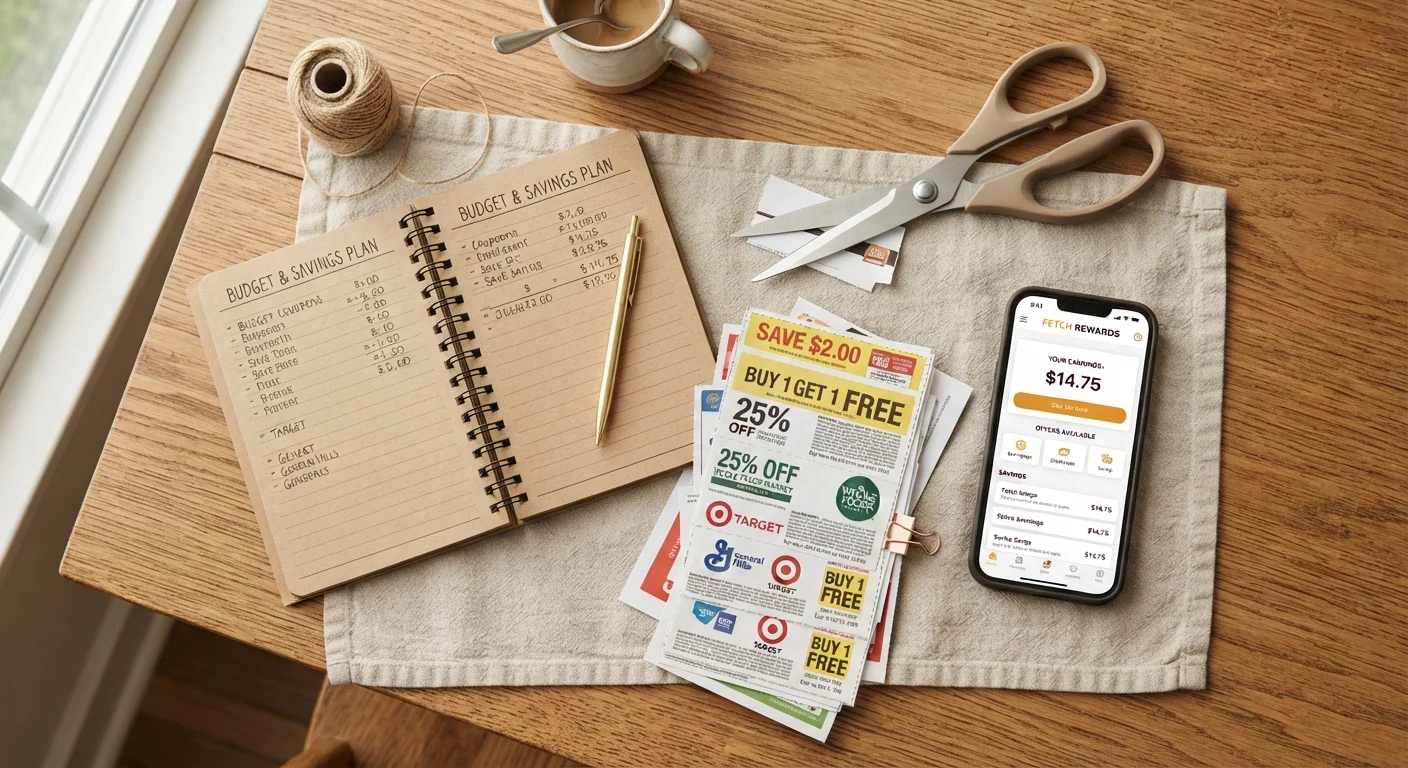
The image most people have of couponing - overstuffed binders, Sunday newspaper spreads, cashiers sighing - is largely outdated. That extreme version exists, but it's not the baseline. For most shoppers, couponing just means being slightly more deliberate about where you look before you buy.
The complexity creeps in when people try to do everything at once: track every deal, hit every store, clip every offer. That approach burns time and goodwill fast. A more sustainable frame: find the two or three sources that match where you already shop, and check them consistently.
If you're new to intentional shopping habits more broadly, this grounded introduction to smart shopping habits covers the research and evaluation fundamentals worth pairing with any savings strategy.
Digital coupon
A discount offer stored in a store's app or website that applies automatically when you check out, instead of requiring a physical paper coupon.
Loyalty program
A free store membership that tracks your purchases and unlocks personalized discounts, digital coupons, or points - usually through an app or card.
Stacking
Combining more than one type of discount on a single purchase - for example, using a coupon on top of a sale price or alongside cashback. Store policies vary on what's allowed.
Cashback portal
A website or app that gives you a percentage of your purchase price back after you shop through its link to a retailer.
Promo code
A short alphanumeric string entered at online checkout to apply a discount - often distributed by retailers through email or third-party coupon sites.
Where Discounts Actually Live
Paper coupons haven't disappeared, but they've been largely eclipsed by digital formats. Here's where most usable discounts are found today:
- Store loyalty apps: Grocery chains, pharmacies, and big-box retailers typically offer personalized digital coupons tied to your account. Load them before shopping; they apply automatically at checkout.
- Manufacturer websites and email lists: Brands in categories like household goods, personal care, and food sometimes offer printable or digital coupons directly. Signing up for emails can surface these.
- Browser extensions: Tools that run at checkout and automatically apply available promo codes are now common for online shopping. They vary in effectiveness by retailer.
- Cashback portals: Some platforms offer a percentage back on purchases made through their links - distinct from coupons, but often combinable. Check store policies before assuming they stack.
For a deeper look at how coupons, cashback, and sale prices can sometimes work together, stacking discounts explained breaks down when and how combination savings apply.
Check Before You Shop, Not After
Digital coupons typically need to be loaded to your account before your transaction - they can't be applied retroactively. Build a quick app check into the start of your shopping trip rather than the end. Most store apps show a clear "load all" option that takes seconds.
Timing Your Savings Around Retail Cycles
Discounts don't appear randomly - retail pricing follows patterns that repeat year after year. Understanding these cycles lets you use coupons at the moments when the underlying price is already lower, which compounds the effect.
A few reliable patterns worth knowing:
- End-of-season clearance: Apparel, outdoor gear, and seasonal home goods typically hit their lowest prices as the season closes - not at its peak.
- Post-holiday windows: The weeks after major holidays often bring markdown events as retailers clear inventory.
- Category-specific cycles: Electronics, mattresses, and appliances each have their own annual rhythm tied to industry trade shows, model-year changeovers, and promotional events.
Coupons applied during these windows go further than the same coupon used at a price peak. The shopping calendar every budget-conscious consumer should know maps out these windows by category in useful detail.
Coupon Timing vs. Sale Timing
A coupon applied to a full-price item may save less than buying the same item at a seasonal sale price without any coupon. When possible, watch for opportunities where the store is already marking something down - then apply your coupon on top. This isn't always possible, but it's worth checking when a purchase isn't urgent.
Building a Low-Effort Couponing Habit
The goal isn't to become a deal hunter - it's to build a light, repeatable check into your existing shopping routine. A workable approach for most people:
- Identify the two or three stores where you do most of your spending.
- Download their apps and create a free loyalty account if you haven't.
- Before each shopping trip, spend five minutes checking available digital coupons and loading relevant ones.
- For larger planned purchases, look up whether a promo code or cashback portal applies before checking out online.
That's largely it. The compounding effect comes from consistency over months, not from any single spectacular haul. For building broader pricing awareness into daily life, smart deal-hunting habits worth building into your routine offers practical ways to stay aware without turning it into a second job.
Store Loyalty App
Most major grocery and pharmacy chains offer free loyalty apps where you can browse and load weekly digital coupons. Download the app for the stores you visit most and set up a free account to start accessing personalized offers.
The Shopping Calendar Every Budget-Conscious Consumer Should Know
A practical breakdown of retail seasons and annual pricing windows by category - useful for timing purchases to align with natural price dips before applying any coupon.
Stacking Discounts: When Multiple Savings Methods Can Combine
An explanation of when coupons, cashback, and sale prices can legally and practically be combined - and when store policies prevent it. Essential reading before assuming discounts will stack.