

Key Takeaways
- Livestream shopping merges live video with instant purchasing, creating a new retail format.
- The format originated in China, where it became a multi-hundred-billion-dollar industry.
- US adoption has grown but remains well below the scale seen in Asian markets.
- Platforms including TikTok, Instagram, and YouTube have all tested or launched shopping features.
- Consumer trust, checkout friction, and content quality are the main factors shaping adoption.
Livestream Shopping
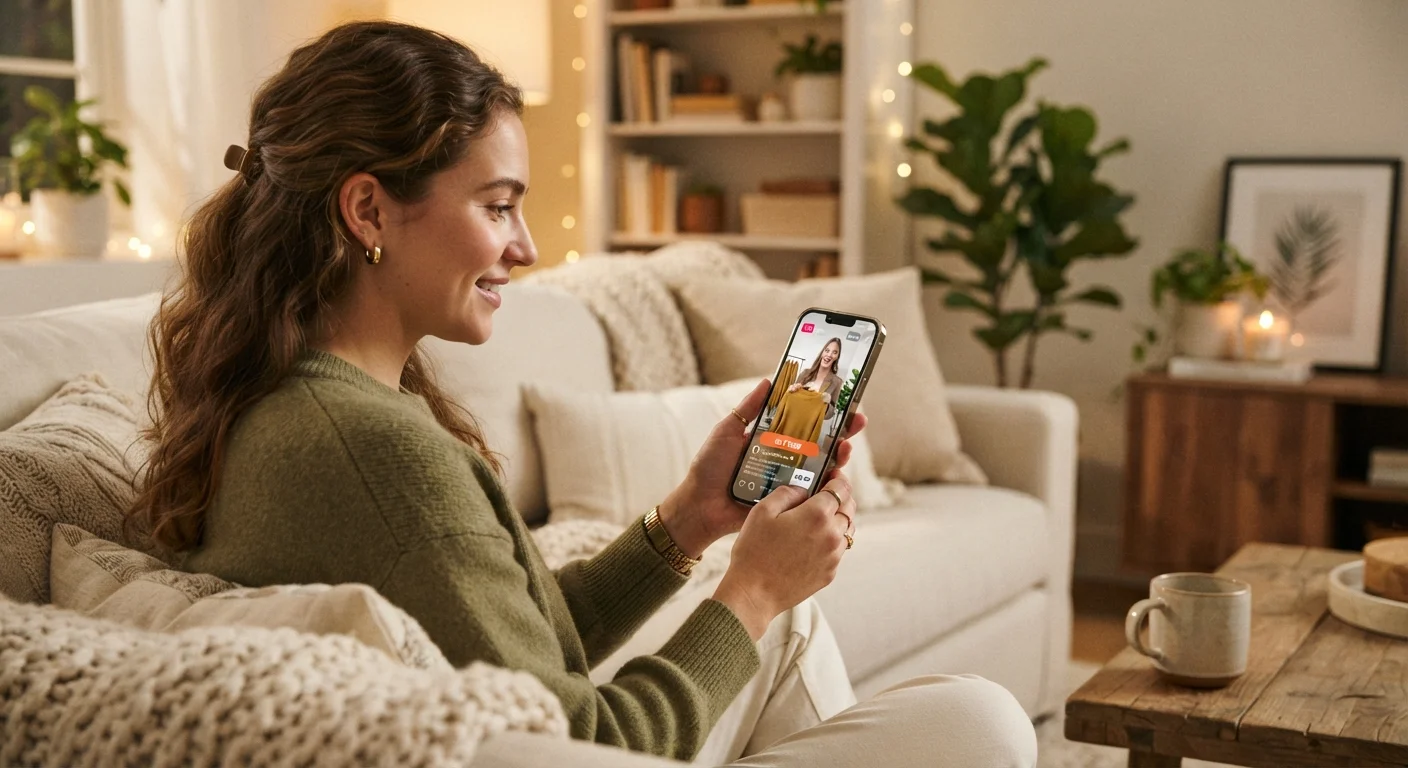
Livestream shopping is a format where a host presents products live on video - often demonstrating them in real time - while viewers watch and can purchase directly without leaving the stream. It combines elements of television home shopping, social media, and e-commerce into a single interactive experience. Viewers can ask questions, see the product in action, and complete a transaction almost instantly.
From a platform architecture standpoint, livestream shopping integrates a video delivery layer with an embedded commerce checkout flow, often supported by inventory APIs that update in real time as units sell.
What Livestream Shopping Actually Is
Livestream shopping sits at the intersection of entertainment and retail. A host - who might be a brand representative, a creator, or a celebrity - broadcasts live video while showcasing products. Viewers watch, interact through chat, and can tap a button to buy the featured item without pausing the stream or opening a new browser tab.
The format descends from televised home shopping networks, which have operated in the US since the 1980s. The core mechanic is similar: a charismatic presenter, a visible product, a price, and a purchase prompt. What's new is the platform, the interactivity, and the integration of social engagement - likes, comments, and shared reactions - alongside the transaction.
This makes livestream shopping part of a broader shift toward what's commonly called social commerce. Social commerce has been reshaping how retail embeds itself in digital life, and livestream shopping is one of its most direct expressions.
Where the Format Came From
Livestream shopping developed at scale in China, driven largely by platforms like Alibaba's Taobao Live beginning around 2016. By the early 2020s, the format had become a mainstream retail channel in China, with sales volumes running into hundreds of billions of dollars annually. Key influencers - known as Key Opinion Leaders, or KOLs - built massive followings specifically around live-selling content.
Several factors drove that early success: a mobile-first consumer base already habituated to in-app payments, platform infrastructure built to support seamless checkout, and a cultural appetite for entertainment-driven commerce. Sellers also found that live formats significantly reduced product return rates compared to static listings, because viewers could see items in real use before buying.
“Livestreaming has fundamentally changed how Chinese consumers discover and purchase products - it's not a marketing channel layered on top of commerce, it's where the commerce actually happens.”
— Deborah Weinswig, CEO of Coresight Research, retail and technology analyst
The US Market: Slower Adoption, Real Growth
US adoption of livestream shopping has been notably slower than in China. Several structural differences explain the gap. American consumers are spread across a fragmented platform landscape - Instagram, TikTok, YouTube, Facebook, Amazon - rather than concentrated in one or two super-apps. Checkout experiences vary widely across these platforms, and requiring users to complete payment without leaving a stream adds friction most US shoppers aren't yet conditioned to tolerate.
Trust is another variable. US consumers have historically been cautious about purchasing through social platforms, particularly when the seller isn't a recognized retailer. Concerns about product authenticity, return difficulty, and data use all dampen conversion rates.
That said, growth is measurable. Younger demographics, particularly Gen Z consumers who already spend significant time on short-form video platforms, show higher engagement with the format. Categories like beauty, fashion, and consumer electronics have seen the most traction - products where live demonstration meaningfully changes how a buyer evaluates them.
~$32B
Estimated US livestream shopping sales (2023)
Industry analysts including Coresight Research have projected US livestream commerce in this range, though figures vary by methodology and platform scope.
~$500B+
Estimated China livestream commerce market size
China's livestream shopping market dwarfs the US, reflecting years of earlier adoption, platform consolidation, and consumer habituation to in-app purchasing.
60%+
Share of US livestream shoppers aged 18-34
Survey data from multiple retail research firms consistently shows younger demographics skewing heavily toward engagement with the format.
Understanding how livestream shopping fits alongside other purchase channels is useful context. Different shopping channels each carry distinct advantages depending on the product and the buyer's needs - livestream adds a hybrid layer that borrows from both digital convenience and the sensory demonstration of in-store retail.
Watch Before You Buy
If you're new to livestream shopping, spend a few sessions just observing before making a purchase. Pay attention to how return policies are disclosed, whether sellers are verified by the platform, and how the checkout process works end to end. Most platforms display seller ratings or verification badges that are worth checking before committing.
How the Technology Fits Together
From the viewer's side, the experience is straightforward: open an app, join a live broadcast, watch, chat, and tap to buy. Behind that simplicity is a layered stack - a video streaming infrastructure (related to, but distinct from, entertainment streaming), an inventory management system updating in real time, and a payment processor integrated into the platform.
Livestream shopping shares its delivery infrastructure with other forms of live video. Live game streaming platforms operate on similar low-latency video delivery systems, though the commercial objectives differ substantially. The commerce layer - embedded product cards, purchase buttons, real-time inventory counters - is what separates a shopping stream from a standard broadcast.
Hosts and sellers manage their own side through dashboards that track viewer count, engagement, and sales conversions in real time, allowing them to adjust pacing, emphasize popular items, or respond to viewer questions as they arise.
Livestream Shopping vs. Entertainment Streaming
Livestream shopping and entertainment streaming share underlying video technology but serve completely different purposes. Entertainment streaming - whether TV shows, films, or live sports - is a consumption experience. Livestream shopping is a transactional one, built around driving immediate purchase decisions. Conflating the two can lead to misunderstanding the privacy, data, and account requirements each type of platform involves.