

Key Takeaways
- An online order passes through at least four distinct systems before reaching your door.
- Most delays occur during fulfillment or last-mile delivery, not in transit between hubs.
- Tracking numbers reflect carrier scans, not real-time location - gaps are normal.
- Keeping your order confirmation and tracking emails simplifies disputes and returns.
- Payment authorization and charge are separate events; charges usually happen at shipment.
The Moment You Click 'Buy'
Placing an order triggers a chain of automated systems that most shoppers never see. Within seconds of clicking confirm, at least three things happen simultaneously: your payment method is authorized (not yet charged), the retailer's order management system logs the purchase, and a fraud screening check runs in the background.
Authorization is a temporary hold - the actual charge typically posts when the item ships. If an order is canceled before shipment, that hold should release within a few business days depending on your bank. Understanding this distinction matters if you're managing a tight budget or have placed multiple large orders at once.
5-7%
Online orders flagged by fraud screening
Industry estimates suggest a small but meaningful share of orders trigger additional verification, which can briefly delay processing.
53%
Consumers who abandon carts due to delivery concerns
Research from the Baymard Institute has consistently found shipping cost and speed to be top reasons for cart abandonment.
~28%
Last-mile delivery cost share of total shipping
According to logistics industry analyses, last-mile delivery accounts for roughly a quarter to a third of total supply chain cost.
If you're new to buying online, see our practical starting point for first-time shoppers for a walkthrough of accounts, payment methods, and checkout basics.
Order Processing and Fulfillment
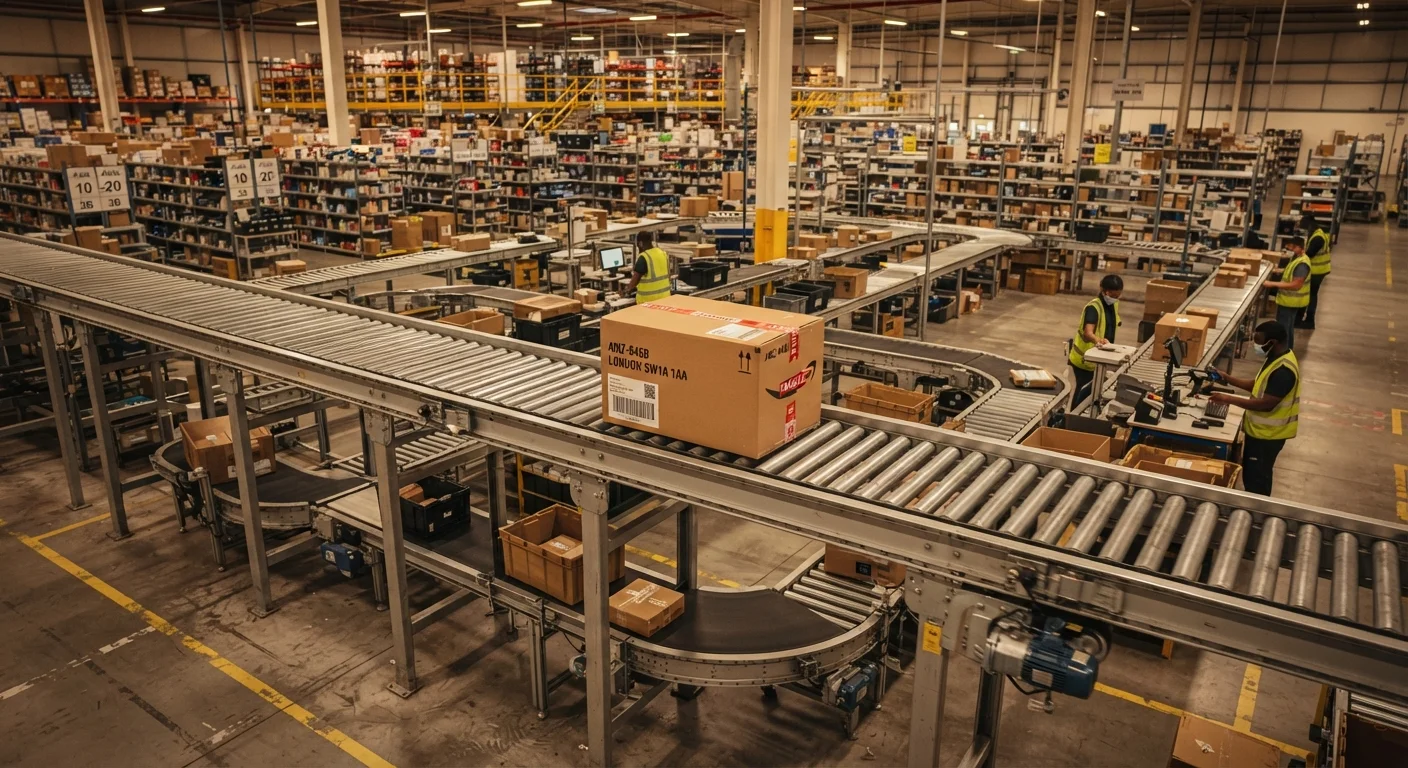
Once fraud checks pass, the order enters the fulfillment queue. This is where the physical work begins - and where the most variability in timing occurs. Large retailers with distributed warehouse networks can route an order to the nearest facility holding that specific item. Smaller merchants may fulfill from a single location or rely on third-party logistics providers.
Fulfillment involves picking the item from shelves, packing it (sometimes with automated machinery, sometimes by hand), generating a shipping label, and staging the package for carrier pickup. If an item shows as "in stock" but fulfillment takes longer than expected, the most common cause is warehouse workload, not inventory inaccuracy.
Check a retailer's stated fulfillment window - not just its shipping speed - before placing time-sensitive orders. A store advertising 2-day shipping may still take 2-3 days to pack and hand off to a carrier.
Fulfillment time and transit time are additive, and only transit time is covered by most shipping speed guarantees. Conflating the two is one of the most common sources of delivery disappointment.
Screenshot or save your order confirmation and tracking number immediately after purchase - don't rely solely on finding the email later.
Confirmation emails can land in spam folders or get buried during busy shopping periods. Having the order number accessible speeds up any customer service interaction.
For purchases from sellers you don't recognize, verify the seller's legitimacy before completing the order - fulfillment practices and return policies vary significantly between established retailers and smaller third-party sellers.
Shipping and Carrier Handoff
When the carrier scans the package at pickup, the tracking number activates. This scan is the first real data point in the tracking system - before it, "label created" simply means the retailer printed a label, not that the package is in motion.
From the pickup point, packages move through a network of sorting hubs. Long-distance shipments typically pass through two to four hubs before reaching a regional distribution center. Each hub scan updates the tracking record, but gaps of 12-24 hours between scans are normal and don't indicate a problem.
Tracking Gaps Are Normal
A tracking record that stops updating for 12-24 hours usually means the package is in transit between hubs with no intermediate scan required. Extended gaps beyond 48 hours during non-peak periods are worth a follow-up with the retailer, but shorter gaps rarely indicate a problem.
Shipping windows and carrier responsibilities are frequently misunderstood. Our article on shipping expectations vs. reality clears up the most common misconceptions, including what "delivery by" dates actually guarantee.
Last-Mile Delivery
The final leg - from a local delivery facility to your address - is the most expensive and logistically complex part of the journey. It's also where most failed deliveries happen. Carriers optimize routes algorithmically, which means a package sitting at a local facility overnight before an early-morning delivery is working as designed, not stalled.
Delivery attempts, access issues, and address errors are the most common causes of failed last-mile delivery. If a package is marked "delivered" but hasn't arrived, wait a few hours before contacting the retailer - GPS-triggered delivery scans sometimes fire a few minutes early.
Improve Last-Mile Delivery Success
Adding delivery instructions at checkout - gate codes, apartment numbers, or a preferred drop location - reduces failed attempts significantly. Many carriers also offer free delivery preference tools that let you redirect packages to a local pickup point if you won't be home.
When Things Go Wrong
Delays, damage, and lost packages are realities of e-commerce. Knowing who is responsible at each stage matters. Before a carrier scans the package, the retailer is responsible. Once scanned, the carrier holds responsibility - though the retailer is typically your best first contact for resolution since they have the commercial relationship with the carrier.
For orders paid with a credit card, a chargeback is an option of last resort if the retailer is unresponsive and the item never arrives. Initiate it through your card issuer, not the retailer. Be aware that chargeback timelines and outcomes depend on your card issuer's policies. For a broader view of channel-specific risks, see our comparison of online vs. in-store shopping to understand when each channel gives you a meaningful advantage.
Chargebacks Are a Last Resort
Filing a chargeback before attempting to resolve an issue with the retailer can complicate the process and may affect your standing with the retailer. Exhaust the retailer's own resolution process first. Document all communication - dates, reference numbers, and responses - before escalating to your card issuer.
After Delivery: Returns and Records
The lifecycle doesn't end at your door. Keeping your order confirmation, shipping confirmation, and any packing slip creates a paper trail that makes returns, warranty claims, and disputes significantly easier to resolve. Most retailers' return windows start from the delivery date, not the order date - so the clock starts when the package arrives.
Organizing digital receipts and purchase records is a practical habit that pays off during high-volume shopping periods when tracking multiple orders simultaneously. If your purchase used an installment payment service, note that buy now, pay later arrangements have their own return and refund mechanics that differ from standard credit card purchases.
This article provides general consumer education about e-commerce processes. Individual retailer policies, carrier terms, and payment provider rules vary - always check the specific terms for your purchase.