

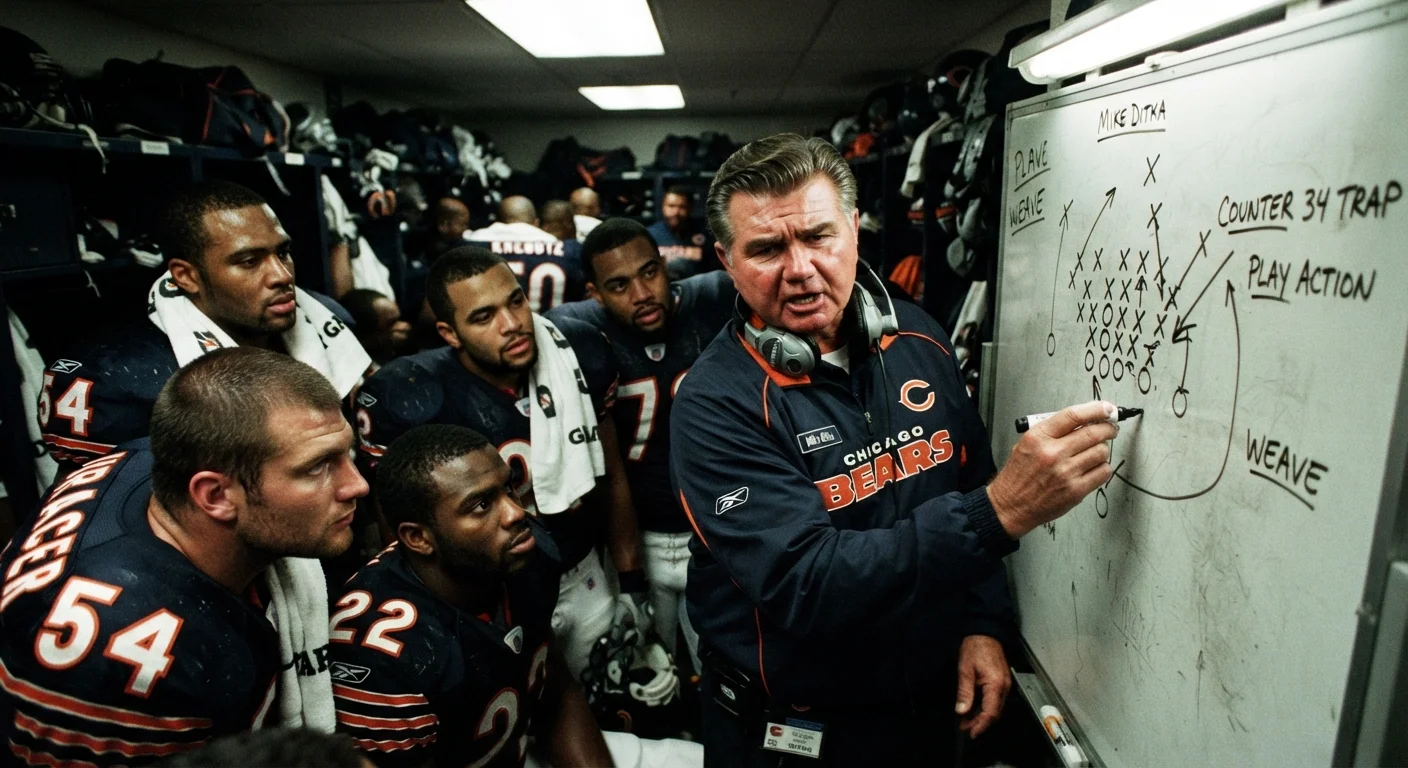
Key Takeaways
- Playing excellence does not automatically translate into coaching success - leadership skills must be developed separately.
- Former players often bring unmatched credibility in the locker room but must learn to communicate with athletes of varied abilities.
- The most successful athlete-to-coach transitions involve mentorship, patience, and a willingness to relearn the game from a new vantage point.
- Coaching demands organizational thinking and emotional intelligence that on-field performance alone rarely cultivates.
- Several of the sport world's most celebrated coaches were journeymen players, not superstars, suggesting a different skill set governs each role.
Why the Jump from Playing to Coaching Is Harder Than It Looks
Every retired athlete has opinions about the game. Far fewer have what it takes to teach it, manage egos, build culture, and win - night after night, season after season. The transition from competitor to coach is one of sport's most fascinating and least understood journeys, and it humbles legends as readily as it elevates overlooked role players.
The skills that forge a great player - elite physical instinct, competitive tunnel vision, a singular drive for personal performance - are only partially transferable to the coaching box. A coach must see sixteen players simultaneously where an athlete once saw one assignment. They must motivate a 19-year-old rookie with the same energy they bring to a ten-year veteran who has heard every speech before. That requires a kind of emotional intelligence and communicative range that no amount of playing time guarantees.
Retirement from professional sport already presents enormous identity challenges, and stepping into coaching often compounds that adjustment - especially for players whose names once carried whole franchises. Below, we explore what this transition actually demands, illustrated through the patterns and experiences that define it.
Shedding the Superstar Mindset
The greatest players often have the hardest time becoming great coaches - not because they lack intelligence, but because elite athletic careers reward an uncompromising self-focus. When that instinct carries into the coaching role, it can manifest as impatience with players who do not perform at the same level or an inability to adapt strategy to available personnel rather than ideal personnel.
Successful transitions typically begin with a conscious dismantling of that mindset. Former stars who have spoken openly about this challenge describe it as learning to coach the player in front of you, not the player you once were.
Coaching the player in front of you - not the athlete you once were - is where the real work begins.
Learning to Articulate the Instinctive
Ask a former elite player why they made a split-second decision on the field and you will often get a shrug: it just felt right. That instinct, honed over decades, is nearly impossible to transfer directly. Coaches who once played at the highest level must develop the analytical language to break down what their bodies once did automatically - and communicate it in ways that resonate with players who may never feel the same intuition.
This is frequently cited by coaching development experts as one of the biggest skill gaps for first-time coaches transitioning from playing careers. Many invest heavily in film study and formal coaching education programs specifically to bridge it.
Turning physical instinct into teachable language is the core coaching challenge for former elite players.
Building Credibility Without Relying on Résumé
A playing résumé opens doors and buys early goodwill in a locker room. But credibility as a coach must ultimately be earned on its own terms. Players quickly discern whether a coach truly understands the modern game, the specific pressures of their position, and their individual development needs - regardless of how many rings that coach may have won as a player.
Former players who lean too heavily on their athletic legend often find that goodwill erodes within a season or two if substantive coaching ability does not follow. The ones who endure are those who treat every day in the coaching role as a fresh test, independent of past glory. College athletics often plants early seeds of this lesson, as collegiate coaches model what it looks like to lead rather than simply perform.
Past glory opens doors; what happens inside the room determines whether a coaching career endures.
Managing Relationships Across a Roster
On the field, an athlete's primary obligation is their own performance. As a coach, the obligation multiplies across an entire roster - each member of which brings different motivations, insecurities, cultural backgrounds, and learning styles. The ability to read people accurately and adapt communication accordingly is a defining trait of coaches who sustain long careers.
This means giving direct, honest feedback to veterans who do not want to hear it, offering patient encouragement to young players who need belief before technique, and maintaining trust with players who are not in the rotation. It is, in many respects, a people-management role as much as a tactical one.
Managing a roster requires a different kind of intelligence than managing your own performance ever did.
Embracing the Grind of Preparation Over Performance
Athletes live for competition. Much of a coach's work, by contrast, happens in the unglamorous hours before anyone takes the field - in tape rooms, in recruiting calls, in staff meetings debating defensive schemes at midnight. Former players who thrive in coaching roles often speak about falling in love with this preparation phase, finding purpose in the strategy and planning that once happened around them rather than for them.
Those who struggle frequently cite the absence of the personal performance high - the rush of scoring, competing, winning with your own hands - as something they underestimated. Coaching offers different rewards, but they take longer to arrive and are distributed more diffusely across a team rather than felt individually.
Coaching rewards live in preparation and collective wins - a very different rush from personal athletic achievement.
Navigating the Assistant-to-Head Coach Pipeline
Many of the most respected former-player coaches spent years as assistants before accepting a head role - and they are consistently open about how essential that apprenticeship was. Serving as an assistant allows a former player to observe organizational leadership up close, make mistakes at a lower-stakes level, and develop their own coaching philosophy gradually rather than under the full glare of head-coaching scrutiny.
The pipeline from player to assistant to coordinator to head coach is well-worn for a reason. It mirrors the way athletes themselves develop - through progressive challenge, mentored repetition, and accumulated experience. Skipping steps rarely serves anyone well, regardless of how celebrated a playing career may have been.
The assistant pipeline is where coaching instincts are forged - rushing past it rarely pays off.
What Separates the Coaches Who Thrive from Those Who Struggle
The athletes who become genuinely impactful coaches tend to share a handful of characteristics that have little to do with how many trophies they won as players. They are relentless students of the game in its tactical dimension rather than just its physical one. They actively seek mentorship, often spending time as assistants long before accepting a head role. And critically, they develop the vocabulary to explain to a struggling athlete what once came naturally to them.
Seek Mentorship Before the Head Role
Former players considering a coaching path are widely advised to pursue assistant or coordinator roles before taking on a head position, even if their playing reputation might fast-track them. Time spent under an experienced head coach provides organizational and people-management frameworks that playing careers simply do not supply. The learning curve is steep regardless of athletic pedigree - building in that buffer can make all the difference.
It is worth noting that some of sport's most decorated head coaches were ordinary players by professional standards. Their competitive careers gave them just enough insider fluency to earn locker-room credibility - while their outsider status as non-superstars forced them to study the game analytically rather than rely on physical memory. Athletes who competed across multiple sports sometimes carry a similar analytical edge, having had to decode different sporting systems throughout their careers.
Whether a former player ultimately thrives behind the bench or on the sideline often comes down to how willing they are to relinquish the identity of athlete and fully inhabit the identity of leader. That is not a small ask - and not everyone makes it across the divide. For those curious about the broader range of post-playing paths, athlete-to-entrepreneur transitions reveal an equally demanding but different kind of second act.
This article is for informational and editorial purposes only. Coaching philosophies and career outcomes vary widely; no specific results are implied or guaranteed for any individual's transition.