

Key Takeaways
- Most professional athletes retire in their 30s, leaving substantial post-sport decades ahead.
- Identity disruption - not just financial loss - is the most commonly cited challenge of retirement.
- Mental health concerns, including depression and anxiety, are well-documented in post-career athletes.
- Second careers in coaching, media, and business are among the most common transition paths.
- Athletes with strong support systems and post-career planning tend to adapt more successfully.
Athlete Retirement
Athlete retirement is the process by which a professional or elite-level sports competitor formally ends their active playing career. Unlike most professions, it often happens in a person's 30s or 40s - sometimes earlier - leaving decades of life to be lived outside the sport they've known since childhood. The transition involves not just leaving a job, but reshaping identity, daily routine, social networks, and purpose.
Sports psychologists distinguish between 'chosen' retirement and 'forced' retirement (due to injury or being cut), noting that forced exits typically produce more acute psychological distress and require more intensive adjustment support.
The Emotional Weight of Walking Away
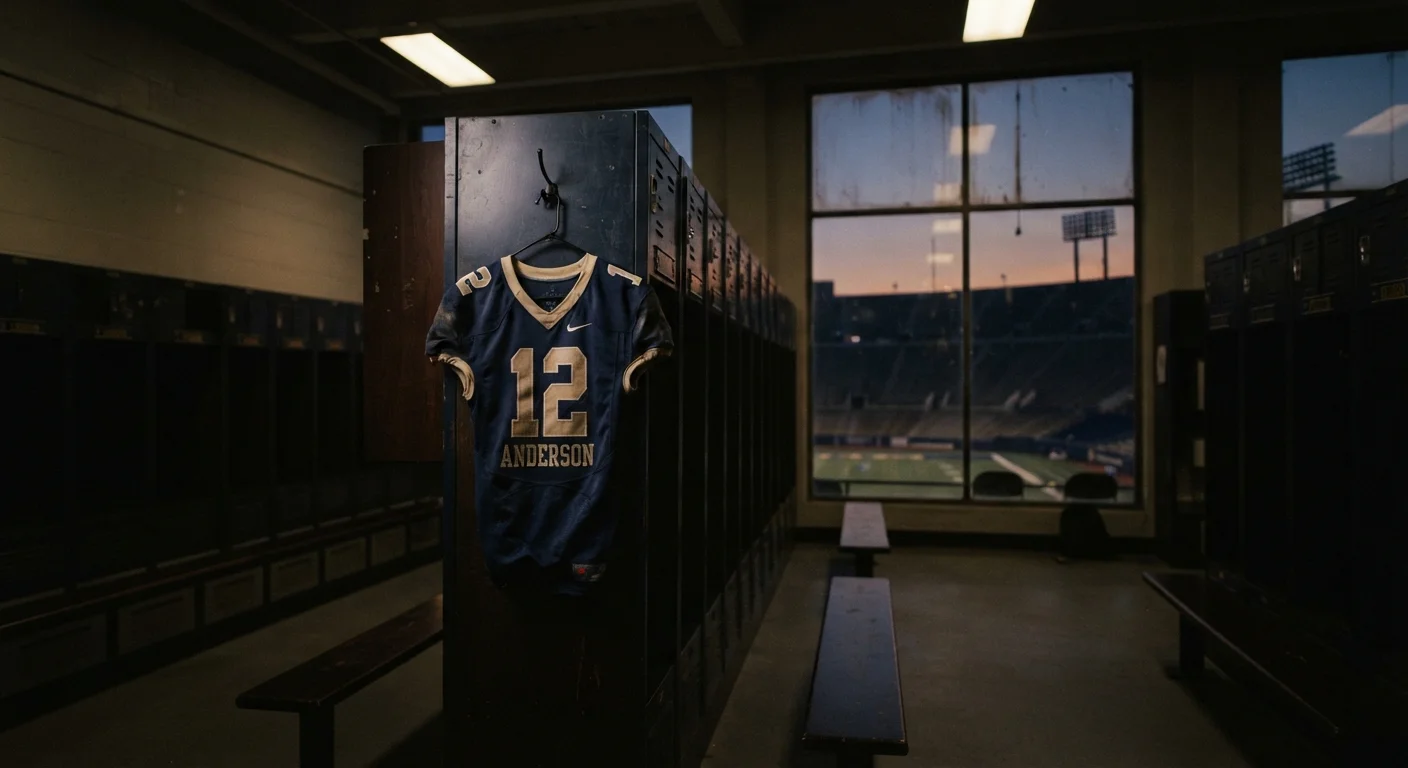
For most professional athletes, sport isn't simply a career - it's a complete world. From youth leagues through college and into the pros, their identity, friendships, and daily rhythm are built around competition. When that ends, the psychological impact can be profound and, for many, unexpected.
Sports psychologists describe this transition as involving a form of grief. Athletes may mourn the loss of their competitive identity, the adrenaline of game day, and the close-knit team environment that few workplaces can replicate. Research consistently shows elevated rates of depression, anxiety, and substance use in athletes during the post-career period - making mental wellness support a critical piece of any retirement plan.
Forced vs. Chosen Retirement: A Key Distinction
Athletes who retire due to injury, being cut, or external pressure typically experience more acute psychological distress than those who choose their own exit on their own timeline. This distinction is important for understanding why some athletes struggle more visibly than others - and why tailored support matters. If you or someone you know is struggling with a difficult career transition, speaking with a licensed counsellor is a meaningful first step.
Importantly, how an athlete exits the sport matters. Those who retire on their own terms - completing a full career, choosing the timing - tend to adjust more smoothly than those whose careers end due to injury, being cut, or external pressure. The sense of control plays a significant psychological role.
Identity Beyond the Jersey
One of the hardest parts of athlete retirement has nothing to do with money or logistics - it's the question of who am I now? An athlete who has been defined as a footballer, a point guard, or a sprinter since age eight doesn't simply shed that label when they sign retirement papers.
Building a post-sport identity takes time and deliberate effort. Many former athletes speak about the importance of developing interests, relationships, and skills outside of sport before retirement arrives. Those who invested in education, personal relationships, or passion projects during their playing days often report a smoother transition.
3-4 years
Average NFL career length
According to the NFL Players Association, the average professional football career spans just three to four years - making early retirement a near-universal experience in the sport.
~78%
NFL players facing financial stress post-career
A widely cited Sports Illustrated report estimated that a large majority of NFL players encounter financial difficulty within two years of retirement, underscoring the importance of financial planning during playing careers.
The good news is that the discipline, resilience, and competitive drive that made someone elite on the field are genuinely transferable. The challenge is learning to trust those qualities in a completely different context.
Common Paths Forward: From the Locker Room to the Broader World
Retired athletes pursue a remarkably wide range of second acts. Some stay close to the game they love - stepping into coaching roles where they can shape the next generation. Others migrate toward media, where their credibility and personalities translate well to broadcasting and commentary.
Entrepreneurship has become an increasingly visible path. Athletes who move into business often draw on sponsor relationships, public profiles, and networks built during their playing days. Meanwhile, the rise of social media has created entirely new opportunities - former players can build audiences and personal brands well after their last game. Understanding how athletes manage that public presence is explored in depth in our piece on the athlete's modern media landscape.
Philanthropy and community work also attract many retired athletes, particularly those who feel a strong connection to the communities that supported them throughout their careers.
Start Planning Before You Need To
Sports career counsellors consistently advise athletes to begin post-career planning while still actively competing - not as a distraction, but as a foundation. Developing interests, building relationships outside the locker room, and engaging with financial education programs offered by player associations can dramatically ease the eventual transition.
Planning Ahead: What Supports a Successful Transition
Research in sports psychology and career counselling points to several factors that consistently predict smoother retirement transitions. Strong personal relationships outside of sport, financial preparation during the playing years, a sense of purpose beyond athletic identity, and access to professional mental health support all make meaningful differences.
Major North American professional leagues - including the NFL, NBA, MLB, and NHL - have expanded transition programs in recent years, offering career counselling, financial education, and mental health resources. Still, many athletes underutilise these programs, often because the prospect of retirement feels distant during their peak playing years.
The athletes who navigate retirement most successfully tend to approach it the way they approached training: with intentionality, a willingness to ask for help, and an understanding that progress takes time. The sports world celebrates careers in the spotlight - but the chapters that follow deserve just as much thought and preparation.
This article is intended for general informational purposes. Readers experiencing significant mental health challenges related to life transitions are encouraged to seek support from a qualified mental health professional.