

Key Takeaways
- No single trait wins a roster spot - scouts weigh physical tools, skill, and character together.
- Scouting priorities shift significantly depending on the sport and the team's specific system.
- Coachability and mental makeup are increasingly weighted alongside measurable athletic traits.
- Analytics has expanded what scouts measure but hasn't replaced the human eye for nuance.
- Position-specific demands often determine which attributes a scout values most highly.
Athletic Scouting
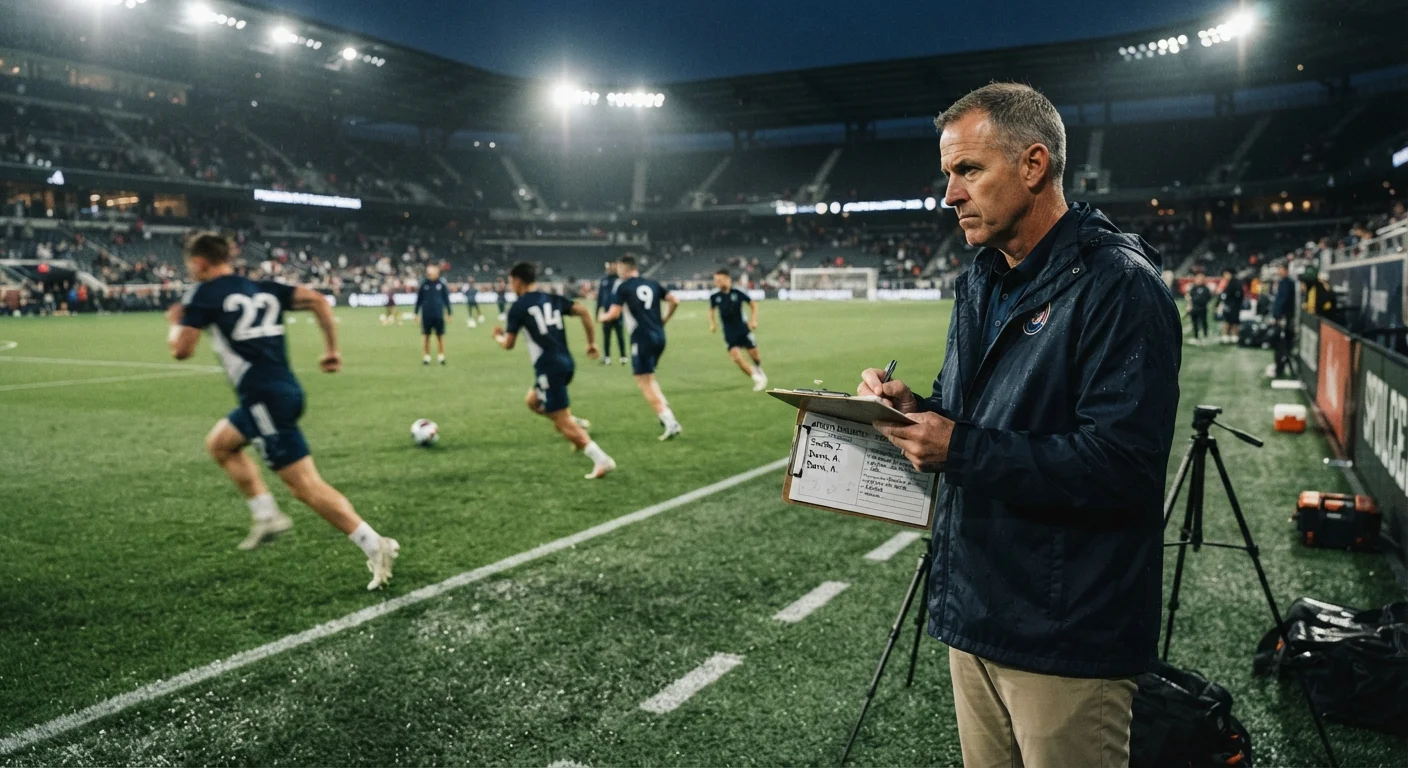
Athletic scouting is the process by which professional and collegiate sports organizations evaluate prospective players for recruitment. Scouts assess a combination of physical attributes, technical skills, and character traits to determine whether an athlete fits a team's system and long-term needs. The goal is to project how a player will develop, not just how they perform today.
Modern scouting integrates both subjective observation and objective data metrics, often using biomechanical analysis, GPS tracking output, and advanced statistics alongside traditional film study.
The Myth of the One-Size-Fits-All Prospect
Ask a dozen scouts what they look for in a prospect, and you'll get a dozen different answers - each correct in its own context. The idea that a single formula defines the ideal athlete is one of scouting's most persistent myths. In reality, what teams prize varies by sport, by position, by coaching system, and even by the organization's current place in its competitive cycle.
That said, scouts across virtually every major sport organize their evaluations around three broad pillars: physical tools, technical skill, and intangibles. How those pillars are weighted is where the real science and art of scouting live.
~1,700
Players scouted per NFL Draft cycle
The NFL typically scoutes over 1,700 college prospects annually before narrowing to 259 draft selections, reflecting the intensive filtering involved.
Top 3
Traits prioritized in NBA draft evaluations
Executives surveyed by sports research outlets consistently rank athleticism, skill versatility, and basketball IQ as the most weighted factors in draft decisions.
40%+
Teams using advanced analytics in scouting
A SportsPro industry survey indicated that a large majority of major professional franchises have integrated data science departments into their talent evaluation pipeline.
Physical Tools: The Foundation of the Evaluation
Speed, strength, size, and athleticism form the baseline of most evaluations - and for good reason. Physical ceilings are largely fixed by genetics and development, making them more predictive of long-term potential than polished but improvable mechanics. A defensive back who runs a 4.3-second 40-yard dash carries a different kind of upside than one who runs 4.6, regardless of how refined their technique is today.
In the NFL Scouting Combine, measurables like sprint times, vertical leaps, and bench press reps serve as universal benchmarks. Baseball scouts track exit velocity and arm strength. Basketball evaluators clock lane agility and wingspan-to-height ratios. These metrics give scouts a comparable language across different programs and geographies.
Still, physical tools alone have never guaranteed professional success. For every elite combine performer who struggled to translate measurables into on-field production, there's a slower, smaller player who outworked expectations. That reality is why scouts rarely stop at the stopwatch. See how the full scouting process unfolds beyond the measurements.
Skill and Coachability: What Can Be Taught Matters Too
Technical skill - footwork, shot mechanics, route running, pitch sequencing - represents the learned dimension of athletic performance. Scouts assess both current skill level and, crucially, coachability: the player's ability to receive feedback and translate it into rapid improvement.
A prospect who arrives with pristine technique but shows resistance to adjustment can be a harder long-term investment than one who is raw but sponge-like in their development habits. Coaches at the professional level are working with narrow windows; they need athletes who accelerate under instruction rather than plateau.
Film Study Reveals What Drills Can't
Scouts often weight game film more heavily than combine performances because it captures decision-making under competitive pressure. A prospect's response to adversity, effort on losing plays, and communication with teammates all surface in game footage in ways that a controlled workout environment simply cannot replicate.
Positional versatility has also become a valued skill in its own right. Athletes who can shift roles expand a team's tactical options and resilience against injuries - something explored in depth in our look at what positional versatility demands of athletes.
The Intangibles: Mental Makeup and Character
Perhaps the most debated - and most consequential - dimension of scouting is what the industry calls intangibles: competitive drive, composure under pressure, leadership, and overall character. These traits don't show up in a box score, but experienced scouts argue they're often what separates a good professional career from a great one.
Teams invest heavily in pre-draft interviews, background checks, and conversations with coaches and teammates to build a profile of how a prospect handles adversity. Film study also reveals character: Does the player compete hard on plays away from the ball? How do they respond after a turnover or a missed assignment?
The mental side of performance has gained serious credibility in modern sports science. Our piece on the mental skills that define elite athletes digs deeper into what separates competitors at the highest levels. Meanwhile, analytics has reshaped how some of these intangibles are measured, though the human element in evaluation remains irreplaceable.
“The best scouts aren't just watching what a player does - they're watching how a player thinks. The mental game eventually catches up with the physical one at every level of competition.”
— A veteran NFL scouting director, Professional Football Talent Evaluator
How the Scouting Hierarchy Shifts by Sport and System
Context is everything. An NBA team running a pace-and-space offense will prize shooting range and movement skills over raw post strength. A soccer club with a high-press system needs relentless engines who can recover the ball within seconds of losing possession. A college football program transitioning to spread concepts may suddenly deprioritize the traditional bruising fullback in favor of versatile receiving backs.
This system-specific thinking means that a prospect rated highly by one organization might rank far lower on another team's board - not because of talent differences, but because of fit. The college pipeline also plays a major role in how scouts gather their early reads on prospects; the college experience shapes readiness in ways that extend well beyond physical development.
What teams truly prioritize when scouting isn't a fixed list - it's a dynamic calculation driven by sport, position, organizational philosophy, and moment-in-time roster needs. The scouts who navigate that complexity with the most nuance and discipline are the ones building the rosters fans remember.