

Key Takeaways
- Elite athletes rely on a wide network of specialists, not just coaches, to perform at their peak.
- Mental performance coaches have become a standard-not optional-part of many pro sports programs.
- Sports nutritionists tailor fueling strategies specifically to an athlete's training load and competition schedule.
- Video and data analysts help athletes understand opponents and refine their own technique.
- The growth of support staff reflects advances in sports science and a more holistic view of performance.
- Most amateur fans dramatically underestimate the size and complexity of a professional athlete's support team.
Athlete Support Staff
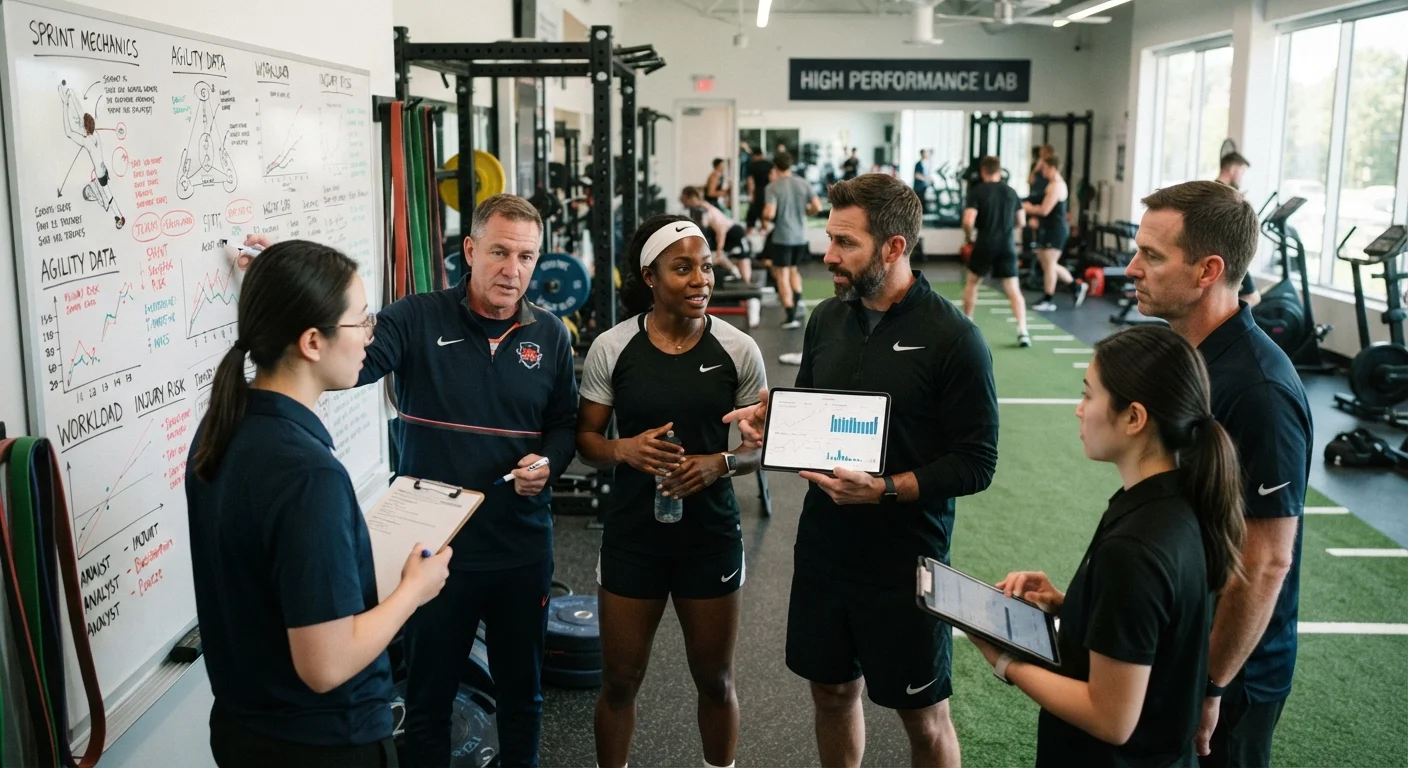
Athlete support staff refers to the professionals who work behind the scenes to help elite athletes train, recover, perform, and compete at the highest level. This team typically includes strength and conditioning coaches, sports nutritionists, athletic trainers, physical therapists, mental performance coaches, and video analysts. While fans focus on the athlete on the field or court, this surrounding team is often the difference between good and great. Their collective expertise addresses virtually every dimension of an athlete's physical and psychological readiness.
In professional sports, the ratio of support staff to athletes has grown significantly over the past two decades, driven in part by advances in sports science, biomechanics, and performance analytics.
More Than a Coach: The Modern Performance Team
When a star quarterback throws a perfect spiral or a sprinter shatters a personal record, the athlete rightfully takes the spotlight. But the performance you're watching was built over months-sometimes years-by a team of specialists most fans never hear about. As the myths about overnight athletic success continue to fade, a clearer picture has emerged: elite performance is a collaborative achievement.
Today's professional athlete doesn't just work with a head coach. Surrounding them is a carefully assembled group of experts whose disciplines span exercise physiology, nutrition science, psychology, biomechanics, and data analysis. Understanding who these people are-and what they do-offers a richer, more accurate picture of what it actually takes to compete at the top.
30+
Support staff on some NFL rosters
Several NFL franchises publicly list more than 30 non-coaching performance staff, including trainers, nutritionists, and analysts.
~$6B
Global sports analytics market size
The global sports analytics market was valued at approximately $6 billion in recent years and continues to grow, reflecting investment in data-driven performance support.
70%+
Olympic athletes using sports psychology
Surveys of Olympic-level programs have found a majority of athletes engaged in some form of structured mental performance support.
The Physical Foundation: Trainers and Therapists
Strength and conditioning coaches are among the most visible members of the support team. They design periodized training programs that build physical capacity across an entire season, carefully managing fatigue to peak at the right times. Athletic trainers-distinct from personal trainers-focus primarily on injury prevention, immediate care, and return-to-play protocols. They're often the first person an athlete turns to when something feels off.
Physical therapists and sports medicine physicians round out the medical side, addressing everything from chronic overuse injuries to acute trauma. Many high-level programs also employ biomechanists who analyze movement patterns using motion-capture technology, identifying subtle inefficiencies that could eventually cause injury or limit output.
Recognize the Full Scope of the Team
Next time you watch a professional game, pay attention to the sideline and bench area-the people you see aren't just coaches. Athletic trainers, conditioning staff, and analysts are often present and active throughout competition. Understanding their roles makes the game even richer to watch.
Fueling the Machine: Sports Nutritionists
What an athlete eats-and when-has a profound effect on how they train and recover. Sports nutritionists build individualized fueling plans that account for training load, travel schedules, body composition goals, and competition timing. They're not handing out generic meal plans; they're calibrating intake to the precise demands of a given week in the calendar.
Hydration strategy, supplement protocols (within sport-governing body rules), and recovery nutrition windows are all part of a nutritionist's scope. For endurance athletes or those competing across multiple days of a tournament, this work becomes especially critical.
The Mental Edge: Sports Psychologists and Performance Coaches
Perhaps no area of athlete support has grown more dramatically than mental performance. Sports psychologists and mental skills coaches help athletes develop focus, manage competitive anxiety, build resilience after failure, and maintain confidence through slumps. These are trainable skills-not fixed personality traits-as explored more deeply in our look at the mental disciplines that separate elite athletes.
Top programs treat mental preparation with the same rigor as physical training, building it into daily routines rather than reserving it for crisis moments. The result is athletes who perform more consistently under pressure.
“You can have all the physical talent in the world, but if you can't manage your mind under pressure, you'll never consistently perform at the level you're capable of. Mental skills are learnable-that's the part people tend to underestimate.”
— A leading sports performance researcher, Professor of Sport and Exercise Psychology, affiliated with a major US university
Eyes Everywhere: Video and Data Analysts
The rise of analytics has transformed every corner of professional sports, and athlete support is no exception. Video analysts spend hours breaking down footage-both of the athlete and their upcoming opponents-to identify patterns, tendencies, and opportunities. Their work feeds directly into game preparation and technical refinement. For a broader view of how data now drives decision-making at the organizational level, see our feature on analytics in modern sports team-building.
Many programs layer tracking data on top of video-using wearable sensors and optical systems to quantify movement, load, and exertion in ways the naked eye can't capture. This information helps coaches make smarter decisions about training volume and helps athletes understand their own performance in objective terms.
Access Varies at Lower Levels
The deep support infrastructure described here is most common at the professional and elite collegiate levels. High school and recreational athletes typically have access to a much smaller support network, often limited to a team coach and a school athletic trainer. Awareness of what's available at your level-and when to seek outside help-is always worthwhile.