

Key Takeaways
- Protein is essential for muscle repair, but total daily intake matters more than exact timing.
- The 'anabolic window' - the idea that you must eat protein within 30 minutes of training - is not supported by strong evidence.
- Most active adults can distribute protein intake evenly across meals for effective muscle recovery.
- More protein is not always better; the body has a ceiling on how much it can use per meal for muscle synthesis.
- Sleep, hydration, and rest days are equally critical partners to protein in the recovery process.
Why Protein Matters for Muscle Repair
Every time you train - whether lifting weights, running, or doing a hard yoga session - your muscles experience microscopic damage. That's not a flaw in the process; it's the mechanism by which your body rebuilds tissue stronger than before. Protein is the primary raw material for that rebuilding. Made up of amino acids, dietary protein gives your body the building blocks it needs to repair muscle fibers and support adaptation over time.
Without adequate protein, the repair process is incomplete. That's well established in exercise science. What's far less settled - and far more interesting - is how much protein you need, when you should eat it, and whether the gaps between meals make any real difference to your results. Popular fitness culture has turned these nuanced questions into oversimplified rules that don't hold up under scrutiny.
For a broader look at how sleep and other factors complement protein in the recovery process, see how sleep affects athletic performance and recovery.
Myth
You must consume protein within 30 minutes of finishing a workout or the muscle-building opportunity is lost.
Fact
The 'anabolic window' is real but much wider than 30 minutes - research suggests muscle protein synthesis remains elevated for several hours post-exercise.
The concept of a tight post-workout protein window became popular in bodybuilding circles and filtered into mainstream fitness advice. While it's true that muscles are primed for nutrient uptake after training, a 2013 meta-analysis published in the Journal of the International Society of Sports Nutrition found that total daily protein intake and distribution across the day were stronger predictors of muscle gain than precise post-workout timing. If you trained fasted and your next meal is hours away, a post-workout protein source is sensible. If you ate a protein-rich meal an hour before training, there's no urgent crisis if you don't have a shake ready at the final rep.
Myth
Eating more protein than the recommended amount will always lead to more muscle.
Fact
There is a per-meal ceiling on how much protein the body can use for muscle protein synthesis; excess beyond that threshold is used for energy or excreted.
Research consistently points to a per-meal threshold - often estimated around 20-40 grams of high-quality protein, depending on body size and training status - beyond which additional protein in that sitting does not further stimulate muscle protein synthesis. Consuming very high amounts in a single meal doesn't stack the benefit; the body simply routes the surplus elsewhere. Spreading intake across meals is more effective than concentrating it in one protein-heavy sitting. This doesn't mean extremely high protein intake is harmful for healthy people, but it does mean more is not automatically better on a per-meal basis.
Myth
Plant-based protein is inferior to animal protein and won't support muscle recovery effectively.
Fact
Plant proteins can support muscle recovery effectively when intake is sufficient and a variety of sources are consumed to cover all essential amino acids.
Animal proteins are typically 'complete,' meaning they contain all nine essential amino acids in sufficient quantities. Many plant proteins are lower in one or more essential amino acids - most commonly leucine, which plays a key role in triggering muscle protein synthesis. However, eating a varied plant-based diet (combining legumes, grains, nuts, seeds, and soy-based foods) over the course of a day addresses this gap reliably. Research on vegan and vegetarian athletes shows muscle adaptation is achievable with adequate total protein intake. The practical takeaway: source diversity and total daily quantity matter more than fixating on protein 'quality' in isolation. Explore protein options across food groups to build a varied, adequate daily intake.
Myth
Soreness after a workout means your muscles are growing; no soreness means the workout wasn't effective.
Fact
Delayed-onset muscle soreness (DOMS) is one response to novel or intense training stress, but its absence does not indicate an ineffective session.
Delayed-onset muscle soreness - that familiar ache that peaks 24-48 hours after training - occurs when muscles are exposed to unfamiliar loads or movement patterns, causing micro-damage and inflammation. It tends to diminish as your body adapts to a given exercise. Experienced athletes often experience less soreness from the same workouts that once left them hobbling, yet continue making gains. Progress in strength, endurance, and muscle size is driven by progressive overload and recovery - not by how much you ache afterward. Chasing soreness as a marker of effectiveness can lead to overtraining. For guidance on distinguishing normal soreness from pain that warrants attention, see the difference between muscle soreness and injury pain.
Myth
Protein shakes and supplements are necessary for anyone serious about muscle recovery.
Fact
Whole food protein sources are nutritionally effective for recovery; supplements are a convenience option, not a requirement.
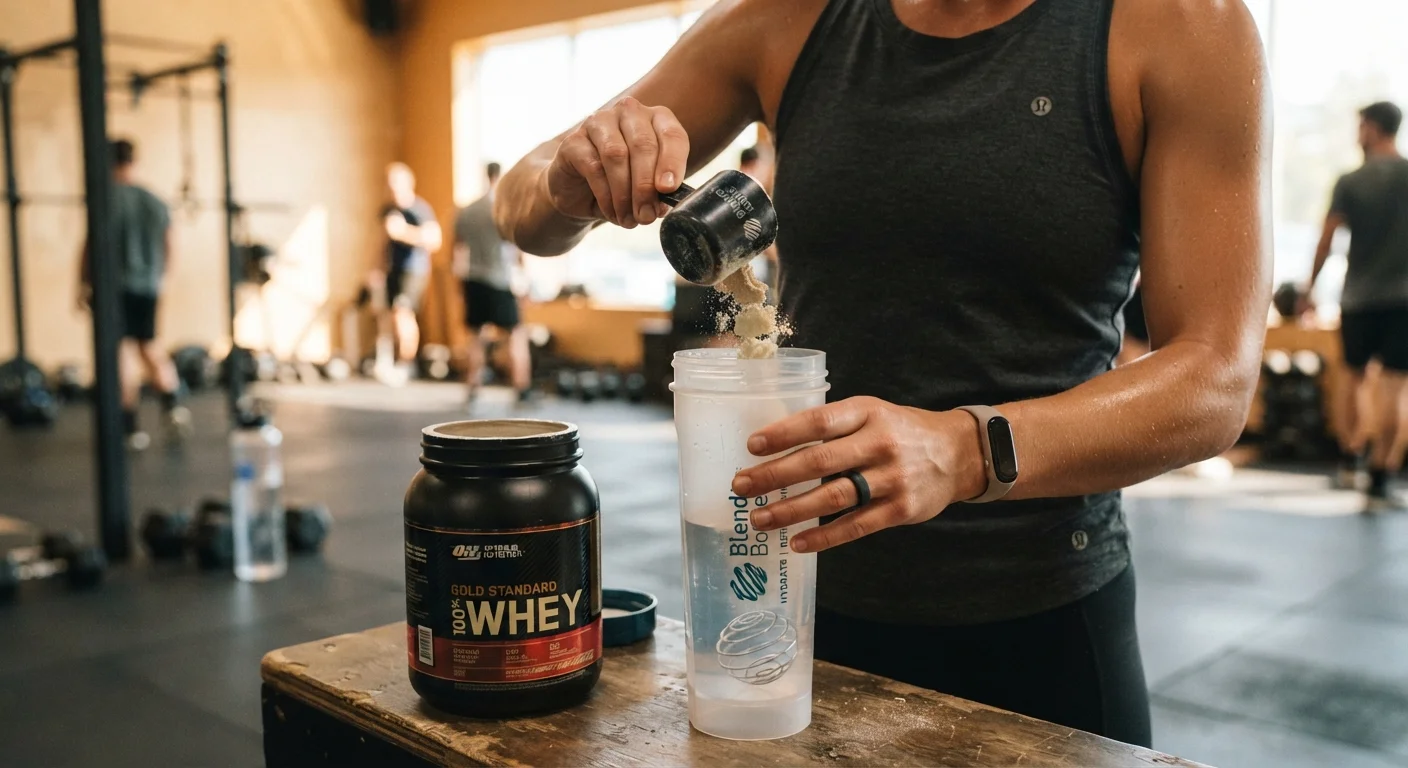
The supplement industry has a strong commercial incentive to position protein powders as essential, but exercise science draws no meaningful distinction between protein sourced from whole foods and protein sourced from a shake when total amino acid content is equivalent. Eggs, chicken, fish, legumes, dairy, and tofu all deliver the amino acids muscles need for repair. Shakes are a practical tool - quick, portable, and easy to measure - but they carry no inherent advantage over food for most people. Athletes eating balanced meals across the day can meet protein targets without any supplementation. Where supplements may help is simply in convenience: if whole foods aren't accessible post-workout, a shake fills the gap efficiently.
The Full Picture: Building a Recovery-Friendly Routine
Understanding what protein actually does - and doesn't do - on its own is a useful starting point, but muscle recovery is genuinely a team effort. Protein synthesis requires adequate caloric intake overall; eating enough protein while drastically under-eating total calories limits recovery. Hydration supports nutrient transport. And rest days give your muscles the uninterrupted time they need to complete the repair cycle.
Don't Overcorrect on Protein Alone
Focusing heavily on protein while neglecting total calorie intake, sleep quality, or structured rest days can limit - not improve - your recovery. Muscle repair requires energy, time, and systemic recovery, not just amino acids. If you're training hard but sleeping poorly or skipping rest days, protein optimization will only take you so far. See why rest days matter for context on balancing training with recovery.
Distributing protein intake across three to four meals per day appears to support muscle protein synthesis more effectively than loading most of it into one meal, according to research on protein distribution. A practical approach: aim for a meaningful protein source at each main meal rather than stressing over post-workout shakes consumed within a precise window.
If you're uncertain about what foods cover your protein needs across a varied diet, a quick reference to protein sources across food groups is a useful starting point. And don't overlook the role that scheduled rest plays alongside nutrition - rest days are a feature, not a flaw, of any fitness routine. For a fuller toolkit of evidence-backed recovery practices, the workout recovery toolkit covers sleep, nutrition timing, and active recovery in one place.
This article provides general health and fitness information for educational purposes only. It is not a substitute for advice from a qualified healthcare professional, registered dietitian, or certified fitness specialist. Consult a professional before making significant changes to your diet or exercise routine.