Key Takeaways
- Television and streaming revenue is the single biggest driver of modern conference realignment decisions.
- Schools chase stronger brand exposure, larger media markets, and more lucrative conference distributions.
- Realignment affects recruiting pipelines, rivalries, and long-distance travel burdens for student-athletes.
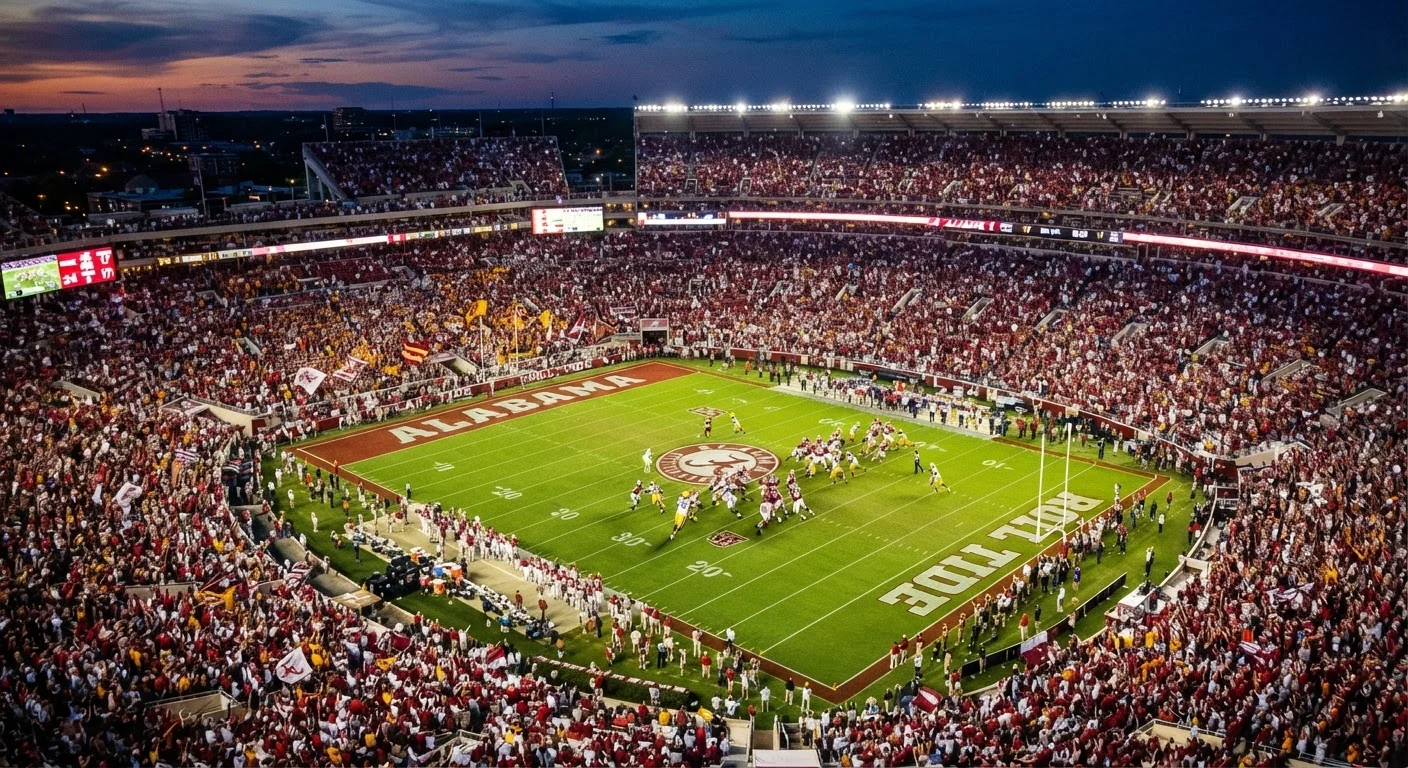
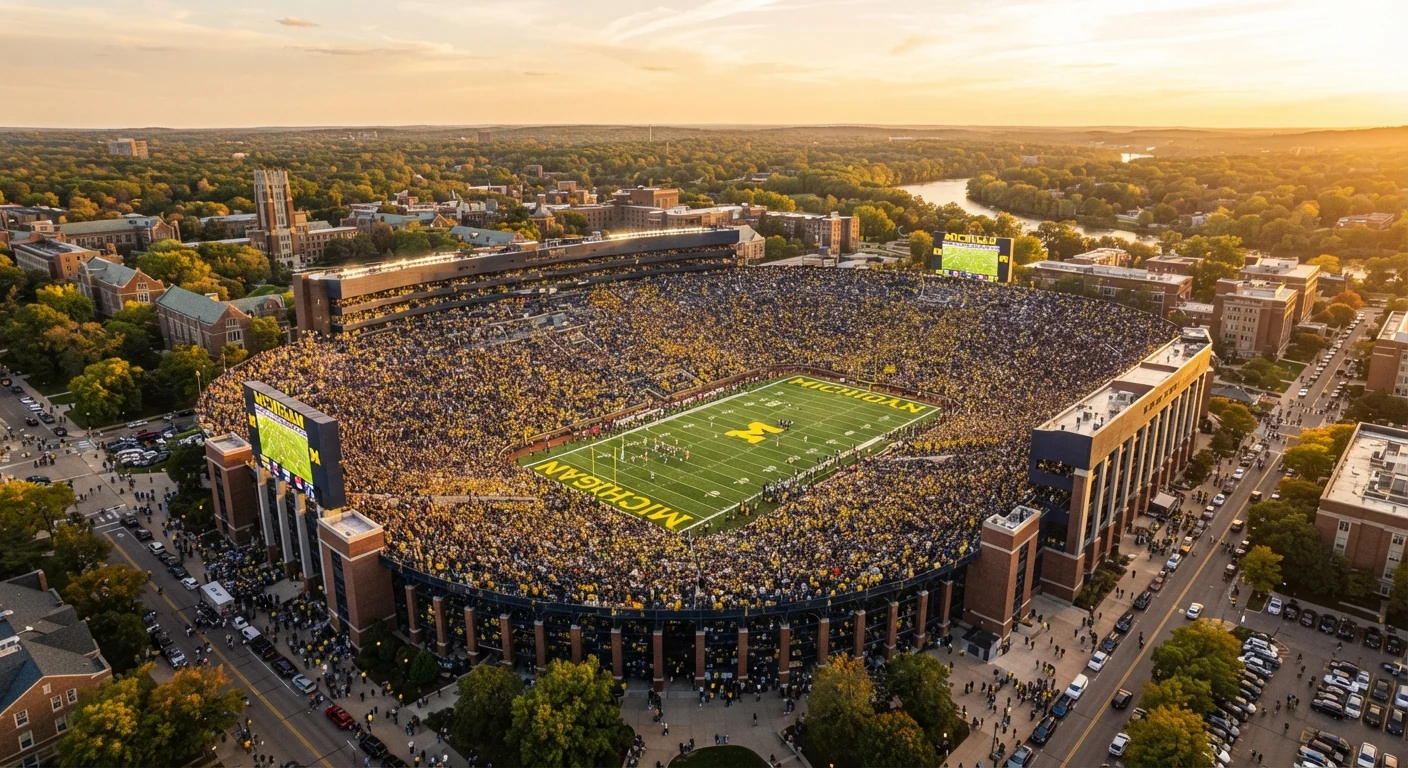
- The Pac-12's near-collapse and Big Ten and SEC expansions mark a historic turning point in college athletics.
- NIL opportunities and transfer portal activity are increasingly intertwined with conference prestige.
Conference Realignment
Conference realignment refers to the process by which college athletic programs switch membership from one athletic conference to another. These moves reshape scheduling, rivalries, recruiting footprints, and - most critically - revenue streams. In recent years, the pace has accelerated dramatically, with several high-profile programs making headline-grabbing jumps between the Power conferences.
Conferences are autonomous membership organizations that negotiate their own media rights deals independently. A school's conference affiliation directly determines its share of those TV and streaming contracts, which can represent tens of millions of dollars per year in distributed revenue.
The Money Underneath Every Move
Strip away the tradition, the rivalries, and the school colors - and conference realignment is fundamentally a financial story. When the Big Ten announced its landmark broadcast agreements with CBS, Fox, and NBC/Peacock, the revenue implications for member schools were staggering. Reports indicated the deal could distribute over $1 billion annually across the conference. That kind of money redefines what it means to compete at the highest level of college athletics.
The SEC's own deal with ESPN has similarly transformed its members' financial footing. For programs outside these two superconferences, the contrast is impossible to ignore. A school in a mid-major conference might receive a fraction of what a Big Ten or SEC member collects - a structural disadvantage that bleeds into facilities, coaching salaries, and recruiting. Sports broadcasting's shift toward streaming has only intensified this competition, as platforms battle for live rights and conferences position themselves to capture premium value.
$1B+
Estimated annual Big Ten media deal value
The Big Ten's broadcast agreements with CBS, Fox, and NBC/Peacock are widely reported to be worth over $1 billion per year across the conference.
10+
Pac-12 programs that departed by 2024
Nearly every major Pac-12 member had announced departure for another conference by the end of 2024, effectively ending the conference as a Power Five entity.
2
Dominant superconferences reshaping the landscape
The Big Ten and SEC have emerged as the two conferences attracting the most high-profile departures from other leagues, driven by their superior media deal revenues.
Recruiting, NIL, and the New College Sports Economy
Conference prestige has always mattered in recruiting, but the stakes are higher now. With NIL rights changing what college athletes can earn, prospective recruits and their families increasingly factor conference profile into their decision-making. A program in a major conference receives more national television exposure, which directly translates to greater NIL marketability for its athletes.
The transfer portal has added another layer. Players who entered school expecting one conference environment may find themselves in a completely different competitive landscape mid-career - or may choose to transfer specifically to reach a higher-profile conference. Coaches, in turn, recruit with conference identity as a selling point. Joining the Big Ten or SEC isn't just about competition; it's about platform.
Track Conference Changes Before Each Season
Conference memberships have changed so rapidly that it's worth verifying your favorite program's current affiliation before each season. Conference websites and school athletic departments publish official membership information. Knowing your team's conference determines which games count most toward standings, bowl eligibility, and potential playoff access.
What Fans Actually Feel: Rivalries and Geography
For fans, the realignment era has been jarring. Historic rivalries built over a century - Nebraska vs. Oklahoma, USC vs. UCLA in the same conference - have been severed or diluted. When programs chase revenue into geographically distant conferences, the scheduling math makes annual rivalry games increasingly difficult to guarantee.
The Pac-12's virtual collapse between 2023 and 2024 was the starkest illustration of realignment's human cost. Schools that had competed together for decades scattered across multiple conferences, erasing what had been a coherent regional identity. How standings and divisions are structured also shifts meaningfully when conferences reorganize - affecting which teams earn automatic bids, bowl access, and national ranking credit.
The expanded College Football Playoff, detailed in the history of college football's postseason, adds urgency to these decisions. Conference affiliation shapes strength-of-schedule perception, which influences playoff seeding. For ambitious programs, being in the right conference isn't optional - it's existential.
Where This Is All Heading
The consolidation of college athletics around two or three super-conferences appears to be a durable trend rather than a temporary disruption. As existing media contracts expire and get renegotiated, the financial incentive structure will continue rewarding the largest conferences and their members. Schools that remain outside the power tier face mounting pressure to find partners or accept a permanent revenue gap.
What's less certain is how governing bodies, legislators, and courts will respond. Ongoing legal challenges around revenue sharing and athlete compensation could reshape the economics that currently drive realignment decisions. For now, though, the engine running this transformation is straightforward: follow the television money, and you'll understand almost every move.