Key Takeaways
- Instant replay was first used in the NFL in 1986 but was scrapped in 1992 before returning permanently in 1999.
- Different leagues apply replay reviews to different play types - no universal standard exists across sports.
- Some calls, including most judgment calls by officials, remain unreviewable in many leagues.
- Replay reviews have overturned game-deciding calls but have also introduced new controversies.
- Technology like goal-line sensors and hawk-eye tracking supplements traditional video review in some sports.
Instant Replay Review
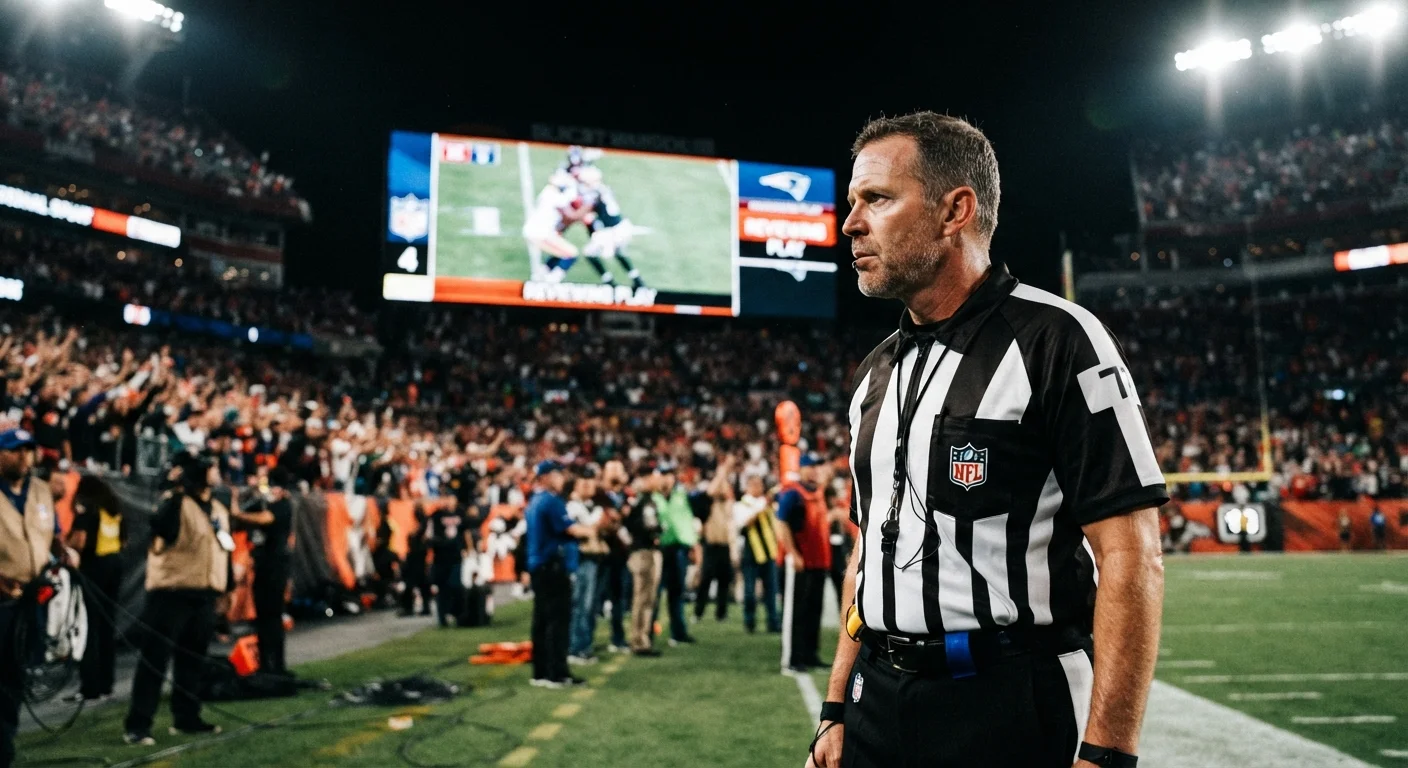
Instant replay review is a process used in professional and collegiate sports that allows officials to re-examine a disputed call using recorded video footage from multiple camera angles. The goal is to correct clear errors that are visible on camera but may have been missed in real time. Most leagues have specific rules about which types of calls can and cannot be reviewed.
Review systems vary significantly by league - some use a centralized command center (like the NFL's Officiating Command Center in New York), while others rely on an on-field review using sideline monitors.
A Brief History of Replay in American Sports
The NFL launched its first instant replay system in 1986, initially placing review authority in the hands of a booth official rather than the head coach. The experiment was abandoned after the 1991 season, largely due to concerns about game pace and the volume of overturned calls. It returned in 1999 - this time with the coach's challenge model that fans know today - and has been part of the game ever since.
MLB introduced expanded replay in 2014, moving well beyond just disputed home runs. The NBA added a replay center in Secaucus, New Jersey, in 2014 as well, giving officials the ability to review a range of late-game situations from a centralized facility. The NHL uses a similar war-room model based in Toronto to handle disputed goals. Each league's system reflects different priorities around accuracy, pace, and fan experience.
Just as recent MLB rule changes have reshaped game flow on the field, replay systems represent their own form of structural evolution - attempts to balance competitive fairness with the entertainment experience.
How the Systems Actually Work
In the NFL, each head coach gets two challenges per game (with a third awarded if both are successful). A play is also automatically reviewed if it occurs in the final two minutes of a half. Officials examine video from multiple angles and must find indisputable visual evidence to overturn the original call - a deliberately high bar designed to preserve the authority of on-field decisions.
The NBA's replay center focuses heavily on late-game situations: officials can review whether a shot beat the buzzer, confirm the correct number of free throws, or check whether a foul should be flagged as a Flagrant 1 or Flagrant 2. MLB managers receive one challenge per game (earning another if the first succeeds), with the league's replay operations center in New York making the final call.
~45%
NFL coach challenges successfully overturned
NFL officiating data over multiple seasons shows roughly 45% of coach challenges result in a reversal of the original call.
2014
Year MLB and NBA expanded replay systems
Both Major League Baseball and the NBA significantly broadened their instant replay review programs starting in the 2014 season.
~90 sec
Average MLB replay review duration
According to league operations reporting, most MLB replay reviews are resolved within approximately 90 seconds, though complex plays can take longer.
Importantly, technology is also supplementing traditional video. The NHL uses a combination of video and net-detection sensors for disputed goals. Tennis has long used Hawk-Eye ball-tracking for line calls. These hybrid approaches point toward where officiating is heading - though none of the major North American leagues have fully adopted automated officiating for core game decisions yet.
Where the Gaps Remain
Replay systems were designed to fix obvious errors, not to adjudicate every contested moment. That boundary - between reviewable and unreviewable calls - is where the most heated debates live. In the NFL, defensive holding and pass interference calls are generally not reviewable (a brief and controversial exception existed in 2019 before being reversed). In baseball, ball-and-strike calls remain entirely in the umpire's hands, though automated ball-strike systems have been tested in the minor leagues.
Know What's Actually Reviewable
Not every disputed play is eligible for replay review. Before reacting to a non-review situation, check your league's current rulebook - many controversial calls fall into judgment-call categories that are intentionally kept off the review list. Leagues publish updated replay rules each season, and the boundaries shift more often than fans realize.
The 2018 NFC Championship Game crystallized the stakes. A late no-call on an apparent pass interference penalty - a judgment call and therefore unreviewable - directly influenced the outcome. The moment reignited a national conversation about where replay's boundaries should sit and who ultimately holds authority on the field.
Beyond missed calls, replay has introduced its own friction. Extended review windows disrupt rhythm. Fans in stadiums often wait without information. And because the standard of "indisputable evidence" is itself subjective, overturned calls can feel just as contested as the original decision. Data-driven analysis in sports has sharpened what we can measure - but replay shows how hard it still is to translate information into clean resolution under pressure.
The Bigger Picture for Fans
For fans watching at home - increasingly through streaming and digital platforms, as explored in the discussion of how live rights are reshaping sports broadcasting - replay review is both a feature and a source of anxiety. The same multi-angle footage that empowers officials also arms every viewer with an opinion, often before the review is complete.
Leagues continue to tinker. The NFL has expanded automatic review categories. MLB experimented with a manager-initiated challenge system for ABS (Automated Ball-Strike) calls in spring training settings. The direction is clearly toward more review, not less - though the pace of change reflects how carefully leagues weigh competitive integrity against game experience.
Replay technology hasn't eliminated controversy - it's changed its shape. Errors still happen; they're just different errors than before, occurring in the gap between what cameras capture and what the rules allow officials to do with that footage. Understanding how these systems work helps fans follow not just the games themselves, but the ongoing negotiation over what fairness means in modern sport.