
Key Takeaways
- A regulation win (RW) earns two points; an overtime or shootout win earns two points but costs more standings equity.
- Both teams receive one point the moment a game reaches overtime, regardless of who wins.
- Teams track regulation wins separately because two teams can have identical point totals but very different playoff seeding.
- The 'loser point' has been debated for years as a structural quirk that rewards teams for not losing in regulation.
- Regulation wins serve as the primary tiebreaker when two teams finish with the same point total.
NHL Points System
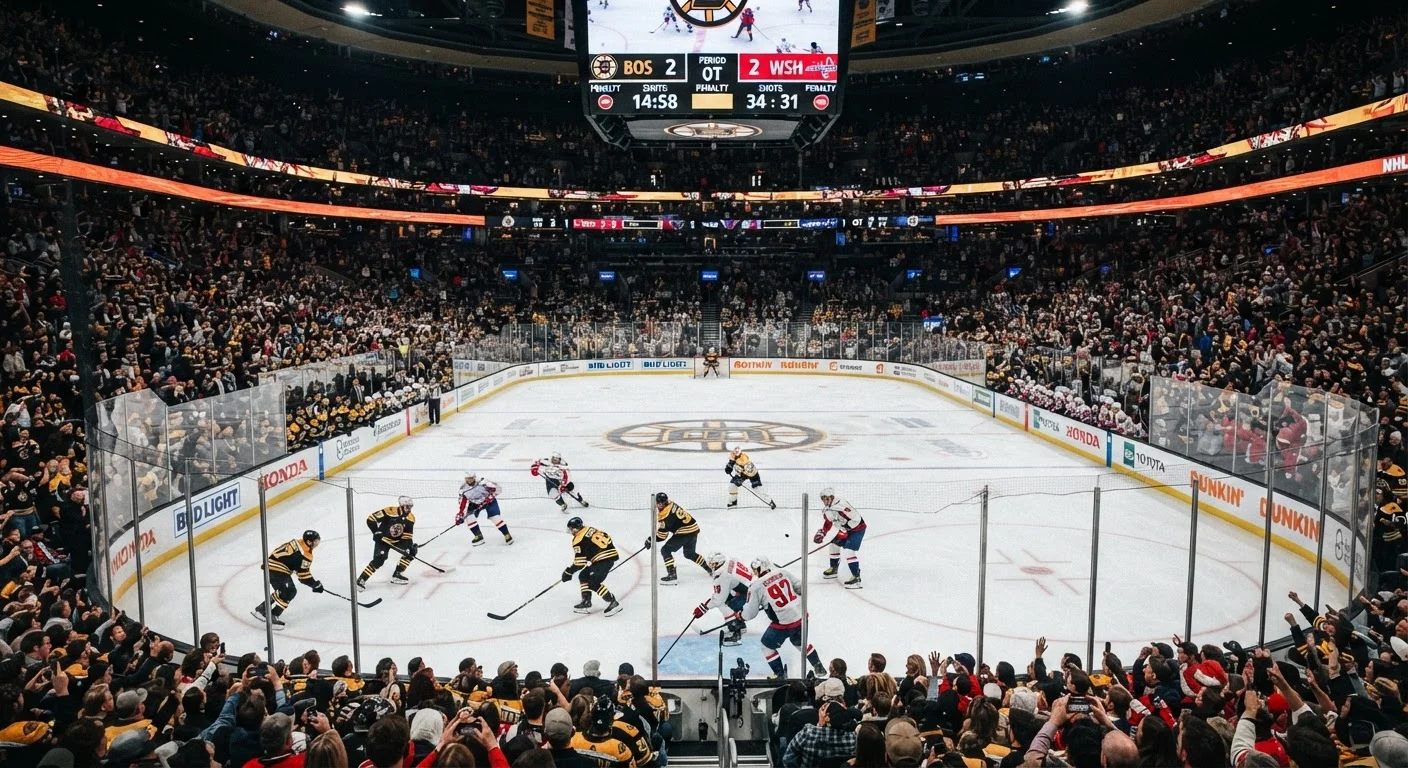
The NHL awards standings points based on the outcome and timing of each game's result. A regulation win earns two points for the winner and zero for the loser. If a game is tied after 60 minutes, both teams receive one point before overtime begins - meaning a minimum of two points are always distributed when a game reaches OT. The winner of overtime or a shootout gets a second point; the loser keeps their one.
The format creates what analysts call the 'loser point' - a controversial bonus point awarded to teams who simply force overtime, which some critics argue distorts standings and incentivizes conservative play late in regulation.
Two Points Aren't Always Created Equal
On the surface, the NHL standings look simple: teams are ranked by points, and two points are available per game. But dig one level deeper, and the system reveals meaningful distinctions that separate playoff contenders from also-rans - even when the point totals look identical on paper.
Every game distributes either two or three standings points depending on whether it's decided in regulation or overtime. In a regulation finish, the winner takes two points and the loser takes zero - clean and straightforward. Once a game reaches overtime, however, the math shifts. Both clubs bank one point before a single extra-time shift is played. The winner adds a second point; the loser walks away with just the one.
That single-point difference is enormous over an 82-game season. A team that consistently wins in regulation is accumulating two points while simultaneously denying the opponent any points. An overtime win still earns two points, but it allowed the opponent to collect one - compressing the gap between the two clubs in the standings.
3
Points distributed when a game reaches overtime
One point goes to each team at the start of overtime; the winner claims a second, making OT games worth more to the overall standings pool than regulation games.
82
Regular season games per NHL team
With 82 games in the schedule, even a difference of four or five regulation wins accumulated over the season can shift a team's playoff seeding by multiple spots.
2005-06
Season the current OT/shootout format was introduced
Following the 2004-05 lockout, the NHL relaunched with the shootout and the guaranteed loser point in overtime - reshaping how teams and fans interpret the standings.
The 'Loser Point' and Why It's Controversial
The guaranteed point awarded to any team that reaches overtime is commonly called the loser point - an informal term that captures the frustration some fans and analysts feel about the rule. Critics argue it rewards teams for simply not losing in 60 minutes, regardless of their quality of play.
The effect shows up in the standings in a specific way: leagues can end up with more total points distributed than in a system without the loser point, meaning the bottom of the playoff race can feel artificially inflated. A team sitting three points out of a wild card spot might realistically need only two regulation wins to climb in - or might need four wins if those opponents keep forcing overtime and banking consolation points.
“The loser point changes the calculus of every close game in the third period. When a team knows they can force overtime and still get something, the incentive to attack versus protect shifts in ways the rulebook never explicitly intended.”
— A veteran NHL analyst, Hockey commentator and former front office consultant
Despite the criticism, the loser point also produces a real competitive benefit: it keeps more teams mathematically alive deeper into the season, sustaining fan interest and creating genuine drama around the wild card race. The NHL has kept the format in place since the 2005 lockout-shortened season relaunch, and it shows no signs of changing.
How Regulation Wins Decide Tiebreakers
When two teams finish a season with identical standings points - a scenario that happens more often than casual fans expect - the NHL's first tiebreaker is regulation wins (RW). Not total wins, not goals scored, not head-to-head record. Regulation wins specifically.
That makes every tight late-regulation situation carry extra weight. A team clinging to a one-goal lead with two minutes left isn't just protecting two points versus one - it's protecting a regulation win that could be the deciding factor between hosting a first-round series and boarding a plane as the away seed. For a deeper look at how those standings structures vary by conference and division, see our breakdown of how standings differ between conferences.
Watch the RW Column, Not Just Points
When following a playoff race, always check the regulation wins (RW) column alongside total standings points. Two teams can look identical in the standings but have very different tiebreaker positions. Most official NHL standings tables display RW - it's one of the most telling numbers in the final two months of the season.
If teams remain tied after regulation wins are compared, the NHL moves through a sequence of additional criteria: total wins (including OT and shootout), then head-to-head points percentage, and eventually goal differential in head-to-head games. In practice, regulation wins resolve most ties before those deeper criteria are ever needed.
For fans curious about how other leagues handle similarly knotted postseason races, MLB's wild card tiebreaker rules offer an interesting contrast - baseball uses a one-game playoff format rather than a statistical formula.
What This Means as the Stretch Run Approaches
As the regular season winds into its final quarter, the NHL points system creates a layered tactical reality for coaches and front offices. A team hovering just outside a playoff spot can't simply count its remaining games as binary win-or-lose propositions. How those wins come matters.
A club with 85 points and 38 regulation wins faces a very different tiebreaker situation than a club with 85 points and 29 regulation wins - even though they look identical on the surface standings. The former team holds a structural advantage the scoreboard doesn't advertise. For context on how teams adjust their approach during this high-pressure period, our look at regular season versus postseason strategy shifts explains how priorities evolve when every game counts.
Understanding the NHL's points system also reframes how fans evaluate individual performances. A goaltender's ability to hold a lead through the third period, or a power-play unit that can convert when a game is still scoreable, contributes directly to regulation wins - and by extension, to playoff seeding that the box score alone will never fully capture. See how overtime rules compare across all major American sports to appreciate just how distinct the NHL's structure is.