Key Takeaways
- The Super Bowl consistently ranks as the most-watched single television broadcast in the United States each year.
- A 30-second commercial spot during the Super Bowl has sold for over $7 million in recent years.
- The halftime show is produced and funded separately from the game, often costing tens of millions of dollars.
- Host cities invest significantly in infrastructure and security for an event that attracts hundreds of thousands of visitors.
- Streaming platforms have begun simulcasting the game, signaling a shift in how fans access live sports.
The Super Bowl as a Cultural Event
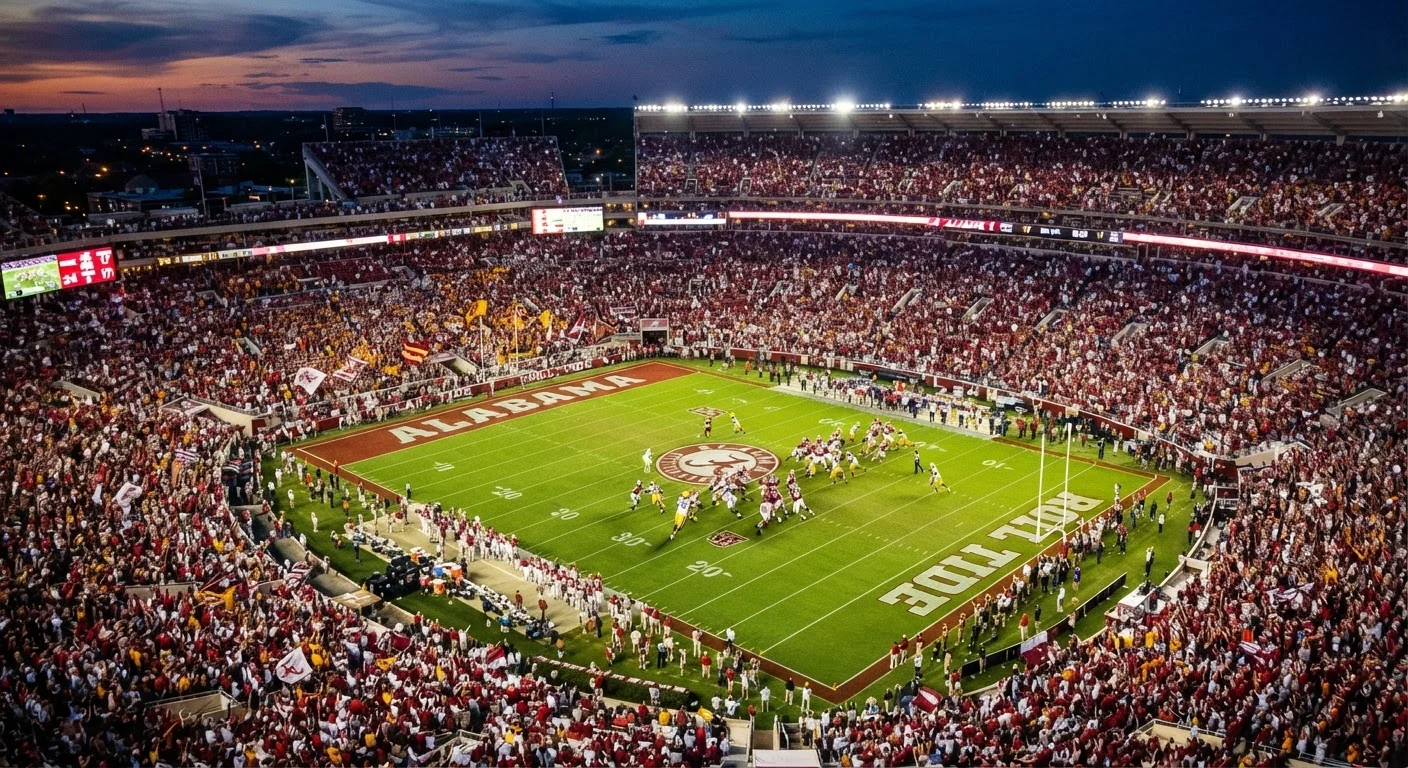
The Super Bowl is the NFL's championship game, but it has grown into something far larger than football. Each year it functions as a national media event, drawing record television audiences, billion-dollar advertising commitments, and one of the most-watched live music performances in the world. The game anchors an entire week of press events, parties, and civic activity in the host city.
Broadcast rights, halftime production costs, and commercial airtime are negotiated separately from the game itself, making the Super Bowl a multi-layered business enterprise distinct from any other sports event.
A Television Phenomenon Unlike Any Other
No single broadcast in American television history is more reliable at drawing a massive simultaneous audience than the Super Bowl. While primetime dramas and awards shows have seen viewership fragment across platforms and time zones, the Super Bowl remains appointment viewing at a national scale. Viewership in the United States has regularly surpassed 110 million, and recent editions have set all-time records.
That audience size is the engine driving every other element of the event. Advertisers, musicians, and host cities all orbit the gravitational pull of a broadcast window that delivers more eyeballs - live, undivided, and undiluted - than virtually any other media moment. As live sports rights continue evolving, the Super Bowl sits at the center of those negotiations. Learn how broadcast deals shape where fans watch live sports, including the game itself as streaming simulcasts grow.
110M+
Average US viewers per Super Bowl broadcast
Recent Super Bowls have consistently exceeded 110 million US viewers, with select editions setting all-time records for American television audiences.
$7M+
Cost of a 30-second Super Bowl ad spot
Super Bowl commercial airtime has exceeded $7 million per 30 seconds in recent years, reflecting the event's unmatched live audience size.
Tens of millions
Estimated halftime show production cost
The NFL and broadcast partners fund halftime productions reported to cost tens of millions of dollars, covering staging, lighting, and full crew operations.
The Halftime Show: A Separate Production Entirely
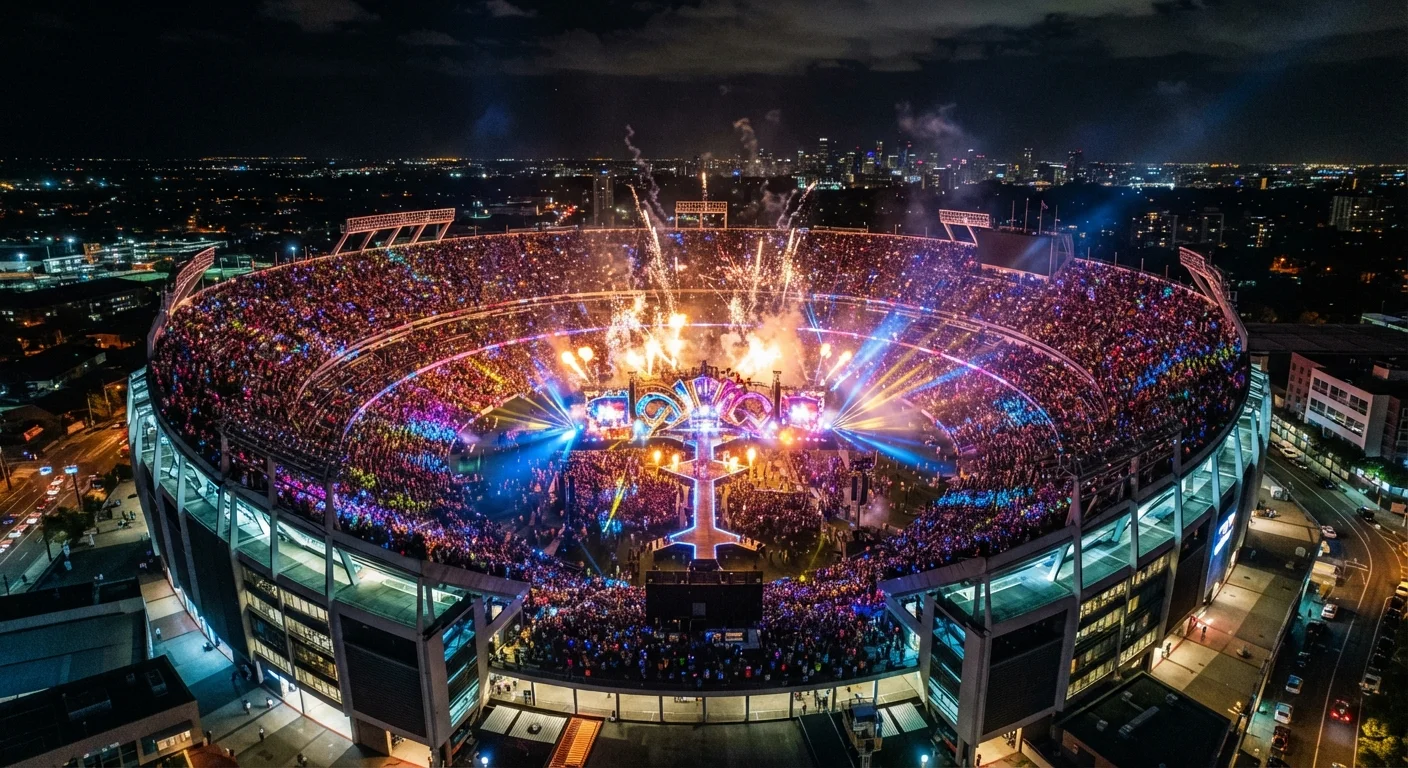
Most viewers assume the halftime show is a simple intermission. In reality, it is an independent, elaborately staged production that begins construction well before kickoff and requires a crew of hundreds. The NFL and its broadcast partner fund the show, which typically costs tens of millions of dollars when accounting for staging, rigging, lighting, pyrotechnics, and choreography rehearsals.
Headlining artists receive no performance fee but gain an audience that few concert tours could match. The exposure is the compensation - artists routinely see streaming numbers and ticket sales spike significantly after appearing. The selection of a halftime performer has itself become a cultural talking point, announced months in advance and debated with the same energy as any trade deadline news.
Following Halftime Show News Before the Game
The NFL typically announces the halftime headliner months before the Super Bowl, and the performer's team often releases rehearsal footage and setlist hints in the weeks leading up to the game. Following the NFL's official channels and entertainment media outlets is the most reliable way to stay current on production details and special guest rumors.
The Ad Economy: 30 Seconds Worth Millions
Super Bowl advertising is its own industry subset. A 30-second spot has sold for more than $7 million in recent years - a figure that doesn't include the cost of producing the commercial itself. Brands routinely spend as much creating the ad as they do buying the airtime. The result is that Super Bowl commercials are often crafted as standalone cultural events, teased online days before the game and discussed widely afterward.
The ad market around the Super Bowl functions as a barometer of broader marketing confidence. When economic conditions tighten, the Super Bowl ad market often holds firm because the guaranteed live viewership justifies the premium for brands that can afford it. Athletes frequently appear in these commercials, navigating the intersection of sport and brand identity explored further in how athletes manage their media presence and brand voice.
The Host City and the Scale of Logistics
Hosting the Super Bowl is both an honor and an undertaking of enormous operational complexity. The NFL selects cities through a competitive bidding process that evaluates stadium quality, hotel inventory, transportation infrastructure, and security capacity. Cities that win bids commit to hosting hundreds of thousands of visitors across a week of related events - not just the game itself.
Economic impact estimates from host cities vary widely and are often debated by economists, but the hospitality, security, and ancillary event spending represent a genuine surge of activity. Law enforcement agencies from multiple jurisdictions coordinate with the NFL and federal authorities. Temporary infrastructure - stages, media compounds, fan experience zones - goes up and comes down in days. By any measure, it is one of the most logistically complex recurring events in American public life.
Economic Impact Estimates Vary Widely
Host cities and boosters often publicize large economic impact figures tied to the Super Bowl, but independent economic researchers frequently find the actual measurable uplift to be more modest. Factors such as displacement of regular tourism, high hotel pricing deterring ordinary visitors, and the temporary nature of spending complicate the picture. Readers should approach host-city projections as estimates rather than verified outcomes.