

Key Takeaways
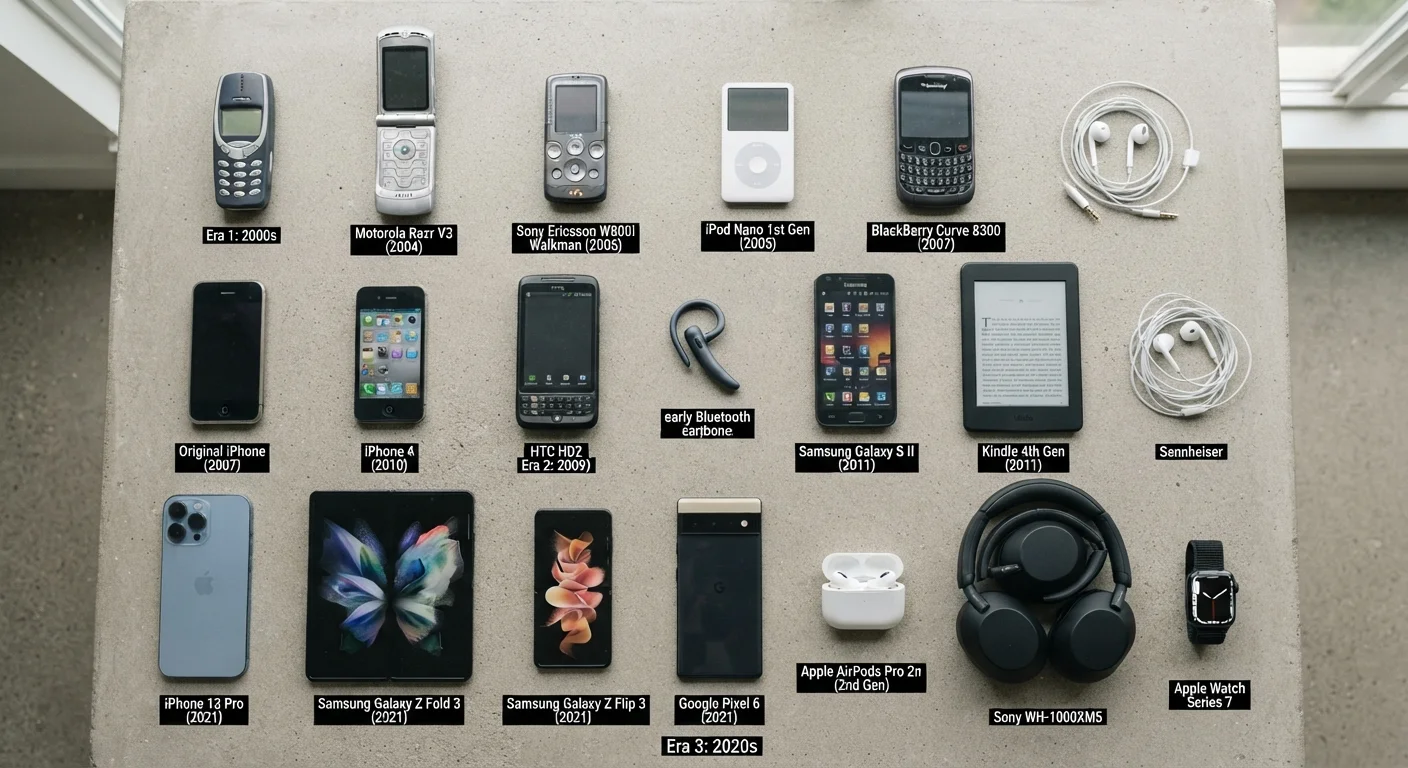
- The shift from physical to touch interfaces fundamentally changed how software and hardware co-evolve.
- Wireless connectivity became a baseline expectation, not a premium feature, within a single decade.
- Voice-activated assistants moved from novelty to utility, embedded in billions of everyday devices.
- Wearables expanded the definition of a gadget far beyond screens and keyboards.
- Foldable displays signal a new chapter in form factor experimentation, though real-world durability questions remain.
- Subscription models quietly changed what gadget ownership actually means for consumers.
Why This Decade of Gadgets Stands Apart
Consumer technology has always moved fast, but the shifts of the past decade were different in character. Earlier eras brought new categories - the PC, the mobile phone, the MP3 player. The more recent period compressed change into the devices already in people's hands, pockets, and ears, redefining what familiar gadgets could do and what they cost to maintain over time.
Understanding these shifts isn't just an exercise in nostalgia. It helps consumers separate durable change from short-lived trends - and make better decisions about which new gadgets are actually worth their attention and money. For a broader view of how some of these shifts became permanent fixtures of modern life, see how yesterday's emerging trends became infrastructure.
The Touch Interface Displaced Physical Controls
The move from physical keyboards and hardware buttons to capacitive touchscreens wasn't just aesthetic - it restructured the entire relationship between hardware and software. Manufacturers gained the ability to redesign the user interface through software updates alone, while consumers gained flexibility at the cost of tactile certainty. The tradeoff still divides opinion among power users, but the market verdict has been clear: touchscreens became the dominant control paradigm across phones, tablets, and even many laptops.
Touchscreens restructured the relationship between hardware and software in ways still felt today.
Wireless Became the Default, Not the Upgrade
Bluetooth audio, wireless charging, cable-free peripherals - what were once premium add-ons became standard expectations. The removal of the headphone jack from flagship phones was controversial, but it accelerated the mass adoption of wireless earbuds in ways that reshaped an entire audio accessories market. Wireless charging, though still slower than wired alternatives in most real-world scenarios, is now a feature consumers expect even from mid-range devices. The underlying message: wires became friction, and the industry responded accordingly.
Wireless charging and audio went from premium options to baseline consumer expectations within years.
Voice Assistants Embedded Themselves Into Daily Life
Voice-activated assistants launched with considerable skepticism about their utility and significant concern about always-on microphones. A decade later, they're embedded in phones, smart speakers, televisions, cars, and home appliances. Their practical usefulness varies considerably - they excel at timers, quick lookups, and home automation triggers, and struggle with complex queries or nuanced requests. But their sheer presence across device categories signals a genuine behavioral shift in how people interact with technology without touching it.
Voice assistants became infrastructure embedded across device categories, not just a smartphone feature.
Wearables Expanded What a Gadget Could Be
Fitness trackers, smartwatches, and health monitoring bands created an entirely new gadget category that sits on the body rather than in a bag or on a desk. The health data these devices gather - heart rate, sleep patterns, blood oxygen levels - has genuine informational value, though consumers should understand that wearables are wellness tools, not medical diagnostic instruments. The category also demonstrated that a gadget could be most valuable not for what it displays, but for what it passively records over time.
Wearables proved a gadget's value can come from passive data collection, not active screen interaction.
Cameras Became Computational, Not Just Optical
Smartphone photography overtook dedicated cameras for everyday use, but the more significant shift was internal: image quality stopped being primarily a function of lens optics and sensor size, and became increasingly dependent on software processing. Night mode, portrait blur, and video stabilization are now largely software achievements applied to modest hardware. This computational photography model means that a software update can materially improve a camera you already own - a genuinely new dynamic in gadget evolution. Understanding the product cycle behind gadget launches helps put these improvements in context.
Smartphone camera quality is now more a software achievement than a hardware specification.
Foldable Screens Reopened the Form Factor Question
Foldable phones and tablets represent the first major reimagining of the rectangular slab form factor that has dominated mobile devices. Early generations carried well-documented durability concerns - crease visibility, hinge longevity, and higher repair costs. More recent iterations have addressed some of these issues, though foldables remain a premium-priced segment with a narrower target audience. What they signal more broadly is that the industry considers the flat-rectangle default to be negotiable again, with implications for the next wave of portable computing design.
Foldables signal the industry views the flat-rectangle form factor as negotiable for the first time in years.
What These Shifts Mean for Everyday Consumers
Taken together, these changes ask something real of consumers: more ongoing judgment about software updates, subscription costs, repairability, and whether a new form factor solves a genuine problem in your life. The gadget market rewards early adopters, but durability and long-term value rarely make headlines at launch events.
Focus on Longevity Before Novelty
New form factors and features generate excitement, but software support timelines, repairability, and build quality determine how much value a gadget actually delivers over three to five years. Before committing to a new device, consider how long the manufacturer has committed to providing updates and whether independent repair options exist in your area.
The way you acquire and interact with gadgets has also changed significantly. Recurring fees now attach to hardware, features, and storage in ways that weren't common a decade ago - worth understanding before committing to any new device ecosystem. And once you own a device, the habits you build around it determine how long it lasts and how much value you extract from it.
Retail Experiences Shifted Alongside Gadgets
The way consumers encounter and evaluate gadgets in stores also transformed during this period. Hands-on demo areas, experiential retail formats, and direct-to-consumer manufacturer stores changed how people assess devices before purchase. For a broader look at those changes, see how retail experiences changed in the last decade.