

Key Takeaways
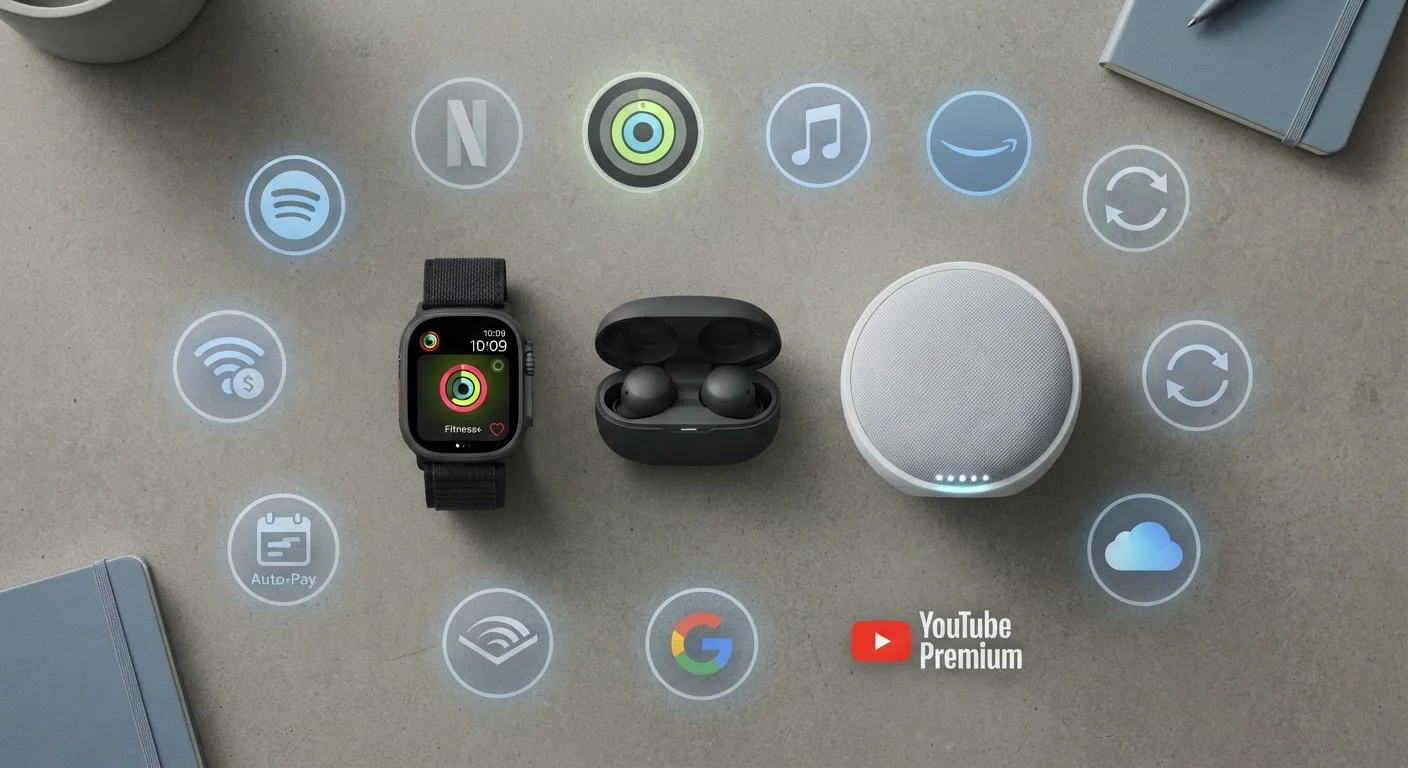
- Gadget subscriptions have expanded well beyond software into physical hardware features and connected services.
- The sticker price of a device no longer reflects its true long-term cost.
- Recurring fees can fund useful ongoing improvements but also lock away features that hardware already supports.
- Consumers benefit from calculating total cost of ownership before committing to any subscription-dependent device.
- Understanding what happens to a gadget when a subscription lapses is a critical question to ask before buying.
Gadget Subscription Model
A gadget subscription model is an arrangement where access to a device's full features, ongoing services, or sometimes the hardware itself requires a recurring fee - monthly or annual - rather than a single upfront purchase. Unlike traditional ownership, where buying a product means owning it outright, subscription-based gadgets tie continued functionality to continued payment. This model has spread from software into cameras, home security systems, cars, and beyond.
Subscription features are often enforced through cloud authentication, meaning a device may physically contain the hardware for a feature but only activate it for paying subscribers - a practice sometimes called software-locked hardware.
How the Electronics Industry Shifted to Recurring Revenue
For most of consumer electronics history, buying a gadget meant owning it completely. The camera, the speaker, the gaming console - once purchased, it worked in full, indefinitely. That model has changed significantly over the past decade.
The shift began with software and cloud services, where subscription pricing made intuitive sense: ongoing server costs, continuous updates, and expanding storage all required sustained investment. But the logic gradually extended outward. Today, recurring fees appear across home security systems, connected fitness equipment, electric vehicles, and personal audio devices - categories where the subscription component is often not optional for the full experience.
This isn't inherently predatory. Recurring revenue gives manufacturers stable income to fund software improvements, security patches, and infrastructure. The complication arises when subscriptions gate features that the physical hardware already supports - a practice detailed in our explainer on how manufacturers use software updates to change gadget behavior after sale. When a camera's motion-detection chip is already inside the device but the feature requires a monthly plan, the calculus shifts meaningfully for consumers.
~$900
Average annual US household subscription spend
Research from subscription management services has consistently placed average US household recurring digital and service spending in the hundreds of dollars annually, with many consumers underestimating their total.
3 in 5
Consumers unaware of all active subscriptions
Multiple consumer surveys have found that a majority of adults cannot accurately recall every recurring charge active on their accounts at any given time.
Growing
Share of electronics with subscription tiers
Categories including home security, connected fitness, smart home devices, and electric vehicles have all expanded subscription-gated feature sets over the past several years.
What Gadget Subscriptions Actually Cover
Not all gadget subscriptions are structured the same way, and understanding the distinction matters for evaluation.
- Cloud storage and processing: Common in security cameras and smart home devices. The device captures data locally but meaningful features - storing footage, AI-based recognition, remote access - require cloud infrastructure paid through a subscription.
- Software-unlocked hardware features: Some manufacturers activate or deactivate capabilities via software. Electric vehicles, for instance, have experimented with subscription-gated seat heating or enhanced driving assistance - features whose underlying hardware ships with every unit.
- Ongoing service and monitoring: Security systems and medical alert devices often include human or automated monitoring. Here, the subscription funds a genuine ongoing service rather than unlocking existing hardware.
- Content and ecosystem access: Fitness equipment sometimes requires subscriptions to access guided content libraries. Without them, the hardware functions as a basic exercise machine rather than an interactive platform.
The distinction between paying for a genuine ongoing service versus paying to access hardware you already own is a useful filter. It doesn't make the former automatically worth paying for, but it does clarify what you're actually purchasing. For a broader framework on evaluating these costs, see our guide on how subscription models change the true cost of a purchase.
Ask Two Questions Before Any Gadget Purchase
Before buying a subscription-dependent device, ask: what does it do if I cancel the subscription, and what does it cost over three years including all fees? These two questions surface the actual value proposition more clearly than the marketing materials typically do. Our framework for evaluating subscription value can help structure that assessment.
The Consumer Calculus: True Cost and Long-Term Value
The sticker price of a subscription-dependent gadget routinely understates its actual cost. A home security camera priced at $80 with a $10 monthly monitoring plan costs over $320 in the first two years alone - and over $560 by year four. This is a straightforward math problem, but one that marketing materials rarely surface prominently.
Calculating total cost of ownership over a realistic ownership window - typically two to four years - provides a more honest baseline for comparison. That figure should also account for what the device does if you cancel: some gadgets revert to limited but workable functionality; others become effectively inoperable for their primary purpose.
“The subscription model transfers risk from manufacturer to consumer. Instead of a company betting on a product's long-term appeal at launch, consumers pay indefinitely for continued access - even to hardware they believed they owned outright.”
— Consumer Technology Policy Analysts, Industry observers commenting on the shift in electronics ownership models
Gadget longevity is also relevant here. Subscription-dependent devices may face a different obsolescence pressure: if the manufacturer discontinues a service or significantly raises prices, the hardware's useful life ends not from physical failure but from economic decision-making. Our article on habits that extend the life of your devices explores how usage practices affect device lifespan, though service continuity sits outside any individual consumer's control.
If you're concerned about how many recurring charges have quietly accumulated across your devices and services, a structured review is useful starting point. Our guide on auditing the digital services you're actually paying for provides a practical inventory approach, while a step-by-step spending review covers the broader financial picture.
The Subscription Landscape Is Still Evolving
Regulatory attention to software-locked hardware and post-sale feature removal is increasing in several jurisdictions, including within the US and EU. Consumer rights in this area are not fully settled, and norms around what manufacturers can gate behind subscriptions may shift over time. Staying informed about device terms before purchasing remains the most reliable protection available to consumers today.