
Sustainable Tech: How the Electronics Industry Is Reckoning With Its Environmental Footprint

Key Takeaways
- Electronics manufacturing is resource-intensive, requiring rare minerals, significant water, and energy-heavy production processes.
- E-waste is the world's fastest-growing solid waste stream, with only a fraction formally recycled each year.
- Data centers and networks account for a meaningful share of global electricity consumption.
- Some manufacturers are making genuine progress on repairability, recycled materials, and renewable energy - but progress is uneven.
- Consumer choices around device longevity and recycling can meaningfully reduce individual footprints.
Sustainable Tech
Sustainable tech refers to the effort to design, manufacture, use, and dispose of electronic products in ways that minimize harm to the environment. It covers the full lifecycle of a device - from raw material extraction through production, daily energy use, and eventual recycling or disposal. The goal is to reduce waste, cut carbon emissions, and limit the depletion of finite resources.
Lifecycle assessment (LCA) is the primary analytical framework used to measure a product's total environmental impact across all stages, from raw material extraction to end-of-life processing.
The Scale of the Problem
The global electronics industry produces enormous environmental pressure at every stage of a product's life - long before a device reaches a consumer's hands and long after it's thrown away. Mining the rare earth elements and minerals used in chips, batteries, and displays is often energy-intensive and disruptive to local ecosystems. Manufacturing a single smartphone involves dozens of materials, significant water usage, and factories powered in many cases by fossil fuels.
Once devices reach consumers, energy consumption continues. And when they're discarded - often after just a few years - they become part of what the United Nations Environment Programme has described as the world's fastest-growing solid waste stream. Understanding the full scope of that footprint is the starting point for evaluating what's actually changing.
62M+
Metric tons of e-waste generated globally per year
According to the Global E-waste Monitor 2024, global e-waste generation has grown significantly over the past decade.
~22%
Share of global e-waste formally recycled
The Global E-waste Monitor estimates that less than a quarter of e-waste generated worldwide is documented as formally collected and recycled.
1-2%
Estimated global electricity used by data centers
The International Energy Agency has estimated data centers account for roughly 1-2% of global electricity demand, though AI growth may push this higher.
E-Waste: A Growing and Underaddressed Crisis
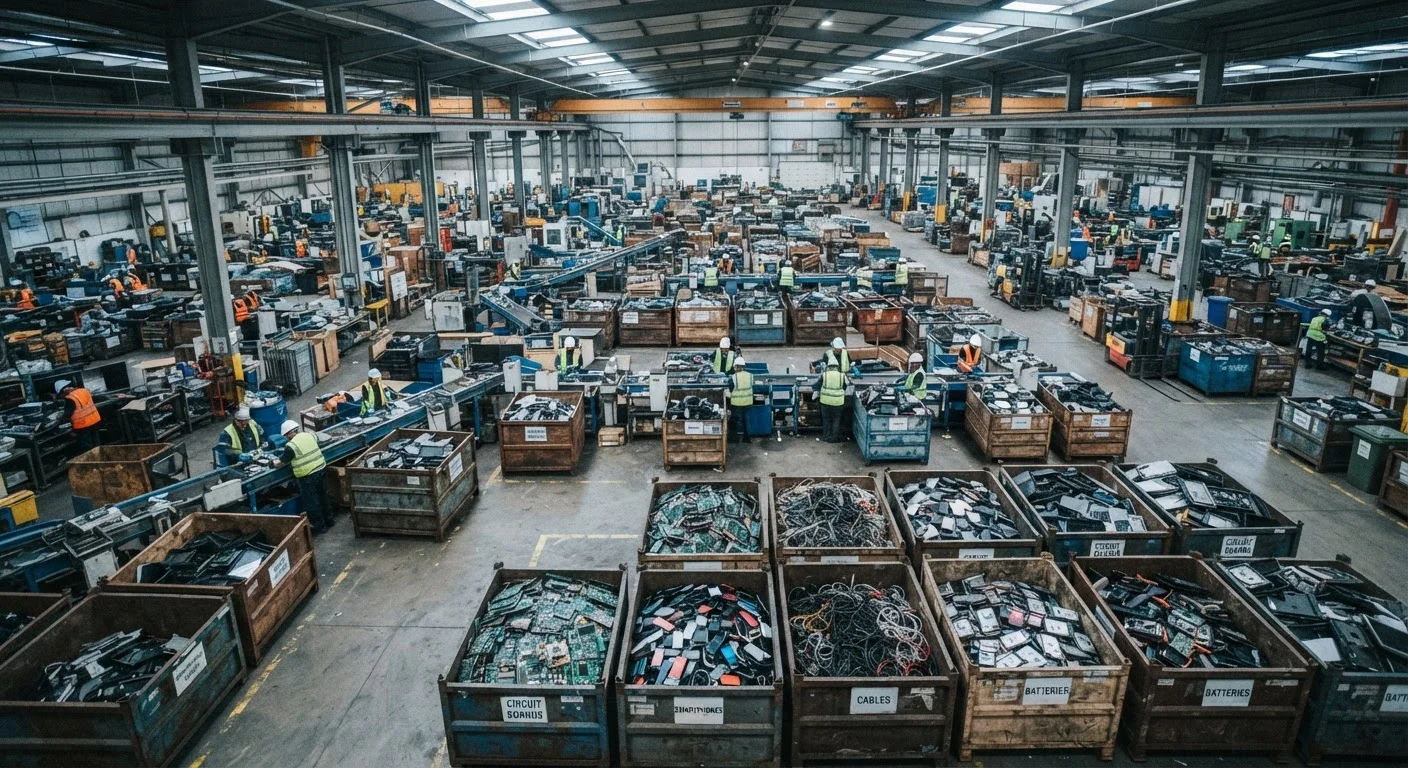
Electronic waste - or e-waste - encompasses everything from obsolete smartphones and laptops to refrigerators and medical equipment. According to the Global E-waste Monitor, tens of millions of metric tons of e-waste are generated globally each year, yet formal recycling rates remain low. Much of what isn't formally recycled is stockpiled, landfilled, or shipped to regions where environmental and worker protections are weaker.
The materials inside electronics present two competing realities: they contain genuinely valuable recoverable metals like gold, copper, and cobalt, but they also contain hazardous substances including lead, mercury, and flame retardants. Responsible recycling can recover valuable materials and prevent toxic contamination, but it requires infrastructure and oversight that remains unevenly distributed globally.
The durability and repairability of a device also shapes how quickly it enters the waste stream. Devices designed to be difficult to repair or upgrade tend to have shorter usable lifespans.
How to Find a Certified E-Waste Recycler
Look for recyclers certified under R2 (Responsible Recycling) or e-Stewards standards - these certifications indicate verified environmental and worker safety practices. Many electronics manufacturers and major retailers also offer take-back programs. Checking certification status before dropping off devices is a simple step with meaningful impact.
Data Centers, Networks, and the Energy Question
The environmental footprint of electronics extends well beyond physical devices. Data centers - the server facilities that power cloud storage, streaming, artificial intelligence, and everyday internet use - consume substantial amounts of electricity globally. Estimates of the sector's share of global electricity use vary, and methodologies differ, but researchers broadly agree it is significant and growing.
The energy footprint of video streaming is one visible slice of this broader picture. As AI applications scale up, their energy demands are drawing increasing scrutiny from researchers and policymakers alike. The carbon intensity of that energy use depends heavily on the local electricity grid - data centers powered by renewable energy have a fundamentally different footprint than those running on coal.
“The carbon footprint of our digital infrastructure is not a future problem - it's a present one. And the decisions made now about how that infrastructure is powered will shape outcomes for decades.”
— Researchers in the field of sustainable computing, Academic consensus reflected across multiple peer-reviewed studies on ICT energy use
What the Industry Is - and Isn't - Doing
Some measurable progress is real. Several major technology companies have significantly expanded their use of renewable energy for direct operations. Recycled aluminum and ocean-collected plastics have appeared in some product lines. Repairability scores have improved for select devices after public and regulatory pressure. The right-to-repair movement has achieved legislative traction in several U.S. states.
But the picture is uneven. Corporate sustainability commitments vary widely in scope and verifiability. Supply chain emissions - often called Scope 3 emissions - are harder to measure and report than direct operational emissions, and many ambitious targets remain years away from their deadlines. The critical reading skills needed to evaluate these claims matter here: marketing language around "carbon neutrality" or "eco-friendly" packaging doesn't always reflect comprehensive lifecycle improvements.
The semiconductor supply chain adds another layer of complexity. As explored in how chip supply chains shape everyday products, the globalized nature of electronics production makes environmental accountability across the full chain genuinely difficult.
On Corporate Sustainability Claims
Terms like "carbon neutral," "net zero," and "climate positive" are not standardized across the industry and can reflect very different underlying methodologies. Some commitments cover only direct operations; others include supply chain emissions. Third-party verification and transparent reporting are meaningful signals of rigor, but not all companies provide them. Approaching these claims with informed skepticism - rather than dismissal or uncritical acceptance - is a reasonable stance.
What Consumers Can Reasonably Do
Individual action isn't a substitute for systemic change, but it's also not irrelevant. Because manufacturing typically accounts for a large share of a device's total lifetime emissions - its embodied carbon - extending device life is one of the highest-leverage personal choices available. Repairing rather than replacing, buying certified refurbished devices, and resisting upgrade cycles driven by incremental feature changes all contribute meaningfully.
Disposal matters too. Using certified e-waste recyclers - identifiable by standards such as R2 or e-Stewards - is more reliable than generic drop-off programs. And thinking about environmental and longevity dimensions before purchasing can shift demand toward manufacturers that invest in repairability and responsible sourcing. The rise of gadget subscription models also raises new questions about device ownership, upgrade cycles, and who bears responsibility for end-of-life handling.