

Key Takeaways
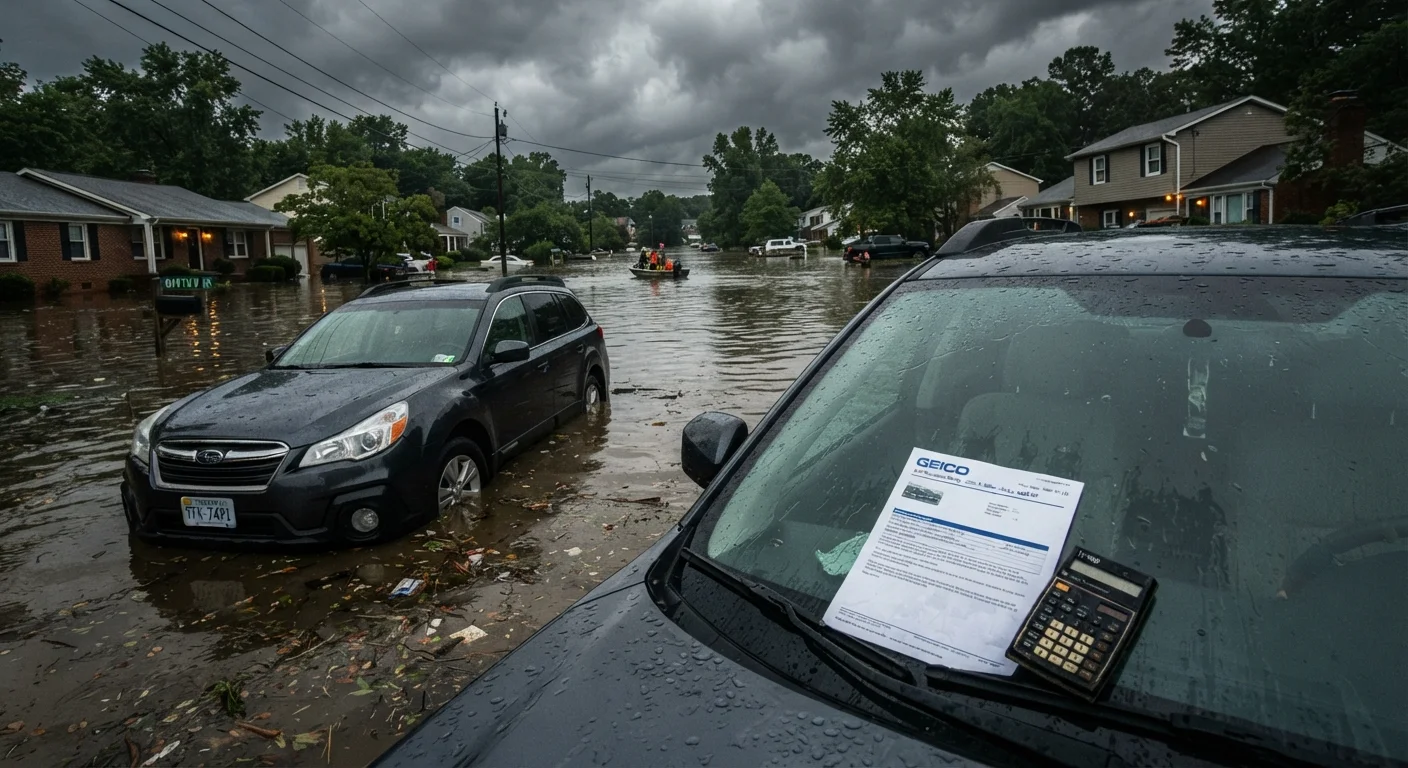
- GAP insurance covers the difference between a car's market value and the remaining loan or lease balance after a total loss.
- New vehicles can lose 15-25% of their value in the first year, creating a financial gap almost immediately.
- GAP coverage is most valuable early in a loan term when depreciation outpaces principal paydown.
- Drivers who made a small down payment or chose a long loan term are typically most exposed without GAP coverage.
- GAP insurance purchased through a dealership is often more expensive than through an auto insurer.
GAP Insurance
GAP (Guaranteed Asset Protection) insurance covers the difference between what your car is worth at the time of a total loss and what you still owe on your auto loan or lease. Because vehicles depreciate quickly, your insurer's payout often falls short of your remaining balance. GAP insurance fills that financial shortfall so you're not stuck paying out of pocket for a car you can no longer drive.
GAP coverage applies only when a vehicle is declared a total loss or is stolen and unrecovered. It does not cover engine failure, regular repairs, or injury-related expenses.
How the Financial Gap Forms
The moment you drive a new vehicle off the lot, its market value drops - sometimes by several thousand dollars within the first few months. Yet your loan balance decreases much more gradually, especially in the early stages when most of your monthly payment goes toward interest rather than principal.
This creates what lenders and insurers call negative equity, or being "underwater" on a loan. If your car is totaled in an accident or stolen, your auto insurer pays out the vehicle's actual cash value (ACV) - a fair market estimate of what the car was worth on the day of the loss. That figure frequently falls short of the remaining loan balance, leaving you responsible for the difference.
For a concrete illustration: if you owe $28,000 on a car your insurer values at $22,000 after a total loss, you face a $6,000 shortfall - money you still owe the lender even though you no longer have the car. GAP insurance is specifically designed to absorb that cost. To understand how this fits within your broader policy, see our guide to auto insurance basics.
15-25%
First-year depreciation for new vehicles
Industry estimates consistently show most new cars lose 15-25% of their value within the first 12 months of ownership.
~1 in 5
Financed vehicles in negative equity
Federal Reserve and industry research has indicated roughly one in five vehicle trade-ins carry negative equity, meaning owners owe more than the car is worth.
72-84 months
Common long-term auto loan lengths
Longer loan terms have become increasingly prevalent in the U.S. market, extending the period during which depreciation can outpace principal repayment.
Who Benefits Most from GAP Coverage
Not every driver carries the same level of exposure. GAP coverage delivers the most value in these common situations:
- Small or no down payment: Financing a vehicle with less than 20% down means you start underwater almost immediately due to rapid early depreciation.
- Long loan terms: 72- or 84-month loans are increasingly common, but principal paydown is very slow in the early years, extending the period of negative equity.
- Leased vehicles: Most lease agreements require GAP coverage because the gap between ACV and the remaining lease obligation can be substantial.
- High-depreciation vehicles: Some models lose value faster than average, widening the potential gap.
- Rolled-over negative equity: If you traded in an underwater vehicle and folded that balance into a new loan, you started the new loan already in deficit.
If you made a sizeable down payment, have a short loan term, or are well into repayment, your loan balance may already be at or below your car's market value - meaning GAP coverage offers little practical benefit at that stage.
Check Your Loan Balance vs. Vehicle Value Annually
Once a year, compare your current loan payoff amount against a reputable vehicle valuation estimate. When the gap closes - meaning your loan balance approaches or dips below the car's market value - you can typically cancel GAP coverage and redirect that premium elsewhere. Your insurer can tell you whether GAP is currently on your policy and what it costs to remove it.
Where to Buy GAP Coverage and What It Costs
GAP insurance is available from three main sources: your auto insurer, the dealership at the point of sale, or a standalone provider. The price difference can be significant.
Dealer-sold GAP products are often rolled into the financing, which means you pay interest on the coverage cost over the life of the loan. Independent research consistently shows that purchasing GAP coverage through your auto insurer tends to cost less, typically in the range of $20-$40 per year added to an existing policy - though exact pricing varies by insurer, vehicle, and state.
Before accepting dealer-offered GAP at signing, it is worth contacting your existing auto insurer to compare coverage terms and cost. Keep in mind that GAP only functions if you also carry comprehensive or collision coverage, since it supplements the base payout from those policies rather than replacing them.
GAP Coverage Is Not the Same as Loan Payoff Protection
Some financial products marketed alongside auto loans - such as credit life insurance or payment protection plans - are sometimes confused with GAP insurance. These serve different purposes and have distinct terms. Always confirm exactly what a product covers before purchasing it.
When to Drop GAP Insurance
GAP coverage is not a permanent fixture. Its usefulness is tied directly to your loan-to-value ratio - the relationship between your remaining balance and your vehicle's current market value. Once those two figures converge, retaining the coverage means paying for protection that would provide no financial benefit.
A practical approach: periodically check your loan payoff amount against an objective vehicle valuation estimate. When the two are roughly equal - or your loan balance drops below the car's estimated value - you can generally cancel GAP coverage without exposure. This typically happens somewhere between the second and fourth year of a standard loan, depending on the original terms and your vehicle's depreciation curve.
For drivers transitioning to electric vehicles, depreciation patterns and financing structures can differ from traditional vehicles. Our overview of EV insurance considerations covers how coverage needs may differ for electric vehicle owners.
This article is for general informational purposes only and does not constitute financial, insurance, or legal advice. Consult a licensed insurance professional or financial adviser for guidance specific to your situation.