
The Cinematic Universe Model: Why Studios Build Franchises Instead of Standalone Films

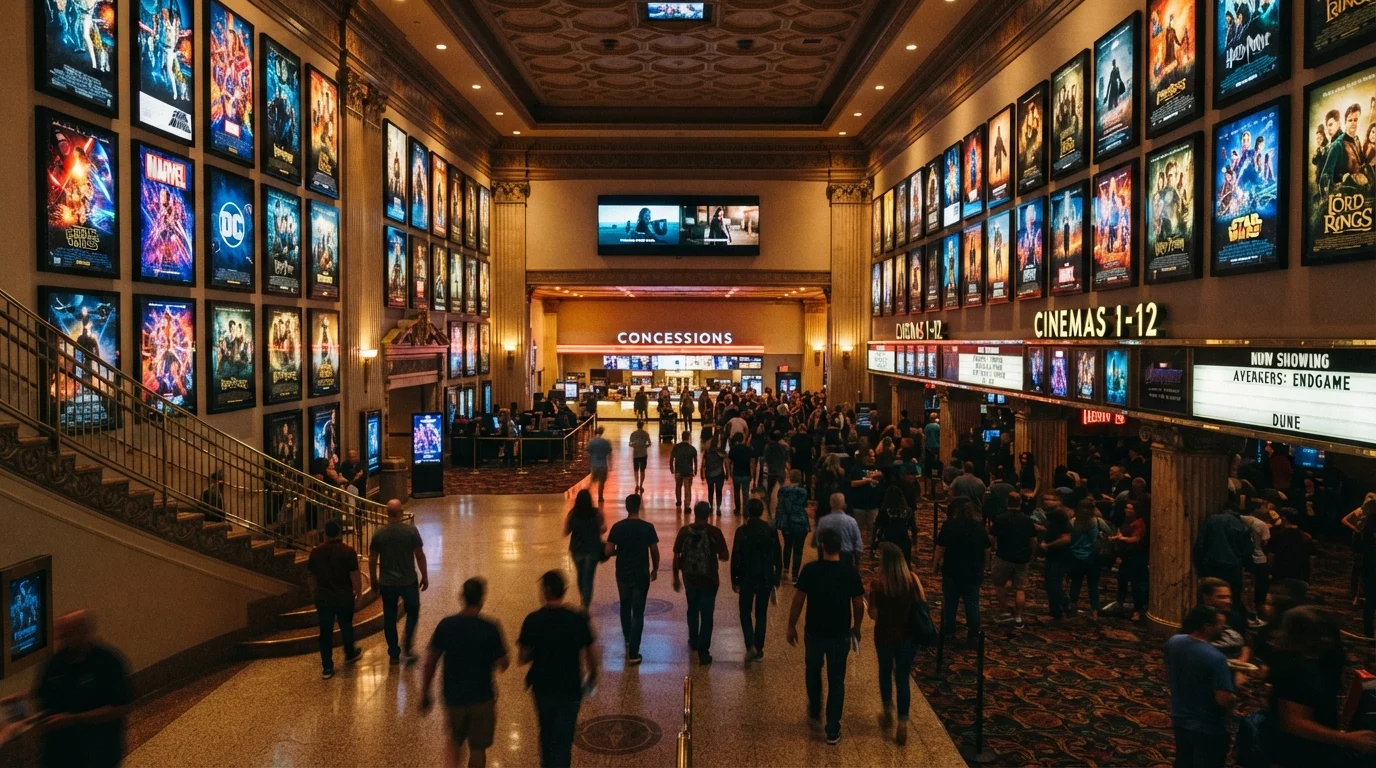
Key Takeaways
- Cinematic universes link multiple films through shared characters, lore, and ongoing storylines.
- Studios favor this model because it reduces financial risk by leveraging established audience loyalty.
- Marvel's MCU popularized the modern template, inspiring rivals across every major genre.
- Franchise films generate revenue far beyond ticket sales, including merchandise and licensing.
- Not every cinematic universe succeeds - audience fatigue and poor execution can derail even well-funded attempts.
Cinematic Universe Model
A cinematic universe is a collection of films (and sometimes TV shows) set in the same fictional world, where characters, storylines, and events cross over between individual entries. Studios use this model to turn a single intellectual property into an ongoing, expanding franchise rather than a self-contained story. The goal is to keep audiences returning repeatedly rather than for just one viewing.
In industry terms, this is often called a 'shared universe' or 'franchise ecosystem' - a deliberate content architecture designed to maximize long-term IP (intellectual property) value across theatrical, home video, streaming, and merchandise revenue streams.
How the Shared Universe Concept Actually Works
At its core, a cinematic universe is a storytelling infrastructure. Instead of making a single movie and moving on, a studio maps out a multi-year, multi-film plan in which each release exists on a connected timeline. Characters introduced in one film can reappear in another; a villain's defeat in a solo adventure might ripple into an ensemble event film months later.
The architecture typically involves three layers: solo entries that introduce or deepen individual characters, crossover events that bring multiple characters together for high-stakes stories, and supporting media (TV series, short films, comics) that fill gaps between releases. This layered approach rewards attentive audiences while remaining accessible enough to attract newcomers.
Marvel Studios refined this blueprint after 2008, releasing interconnected films in deliberate sequences called "phases." Other studios took notice. Today, the MonsterVerse (Godzilla and Kong), the DC Universe, and multiple animation franchises all follow variations of the same playbook.
Not All Franchises Use the Full Universe Model
Some long-running film series - like the James Bond or Fast & Furious franchises - maintain loose continuity without the strict interconnected architecture of a true shared universe. The cinematic universe model, as popularized by Marvel, implies a more deliberate, architect-designed continuity where events in one film directly affect the narrative possibilities of another.
Why Studios Bet Big on Franchises
The financial logic is straightforward: original standalone films are expensive gambles. A big-budget movie with no pre-existing audience awareness can lose hundreds of millions if audiences don't connect with it. A franchise entry, by contrast, arrives with built-in curiosity and a loyal fanbase ready to buy tickets, merchandise, and streaming subscriptions.
Top 10
All-time global box office films are franchise entries
According to Box Office Mojo historical data, every film in the all-time worldwide top 10 belongs to an established franchise or shared universe.
$54B+
Estimated lifetime revenue of the Marvel Cinematic Universe
Industry analysts tracking theatrical, home video, merchandise, and licensing revenue estimate the MCU has generated over $54 billion in total franchise value since 2008.
2-3x
Sequel vs. original film opening weekend multiplier
Film industry research consistently finds that sequels to successful films open to roughly two to three times the opening weekend of the original, reflecting built-in audience anticipation.
Sequels and franchise films also perform more consistently on the international box office, where name recognition often travels better than nuanced storytelling. Studios selling to markets across Europe, Asia, and Latin America find that a familiar hero or monster logo reduces the marketing challenge significantly. As our breakdown of box office economics explains, theatrical ticket sales are only part of the revenue picture - and franchise IP unlocks every other revenue stream more efficiently.
Beyond tickets, interconnected universes create what the industry calls an ecosystem: theme park attractions, toy lines, video games, and apparel all tied to the same characters. Merchandise alone can exceed a blockbuster's total theatrical gross for major franchises.
How to Navigate a New Cinematic Universe
If you're new to a franchise, most cinematic universes have a recommended watch order - often a blend of release order and in-universe chronological order. Release order is usually the safest starting point, since it mirrors how the creative team built the world. Many franchise fan communities publish updated watch-order guides that account for new additions.
The Risks and Limits of the Model
The cinematic universe model isn't a guaranteed formula. Studios that rushed the process - announcing release slates years in advance without laying creative groundwork - often stumbled. Universal's Dark Universe was announced with fanfare in 2017 and effectively collapsed after a single film underperformed. The lesson: audiences follow compelling stories and characters, not organizational charts.
There's also the creative tension inherent in planning stories years ahead. Writers and directors must balance genuine storytelling with franchise "obligations" - setting up future characters, planting sequel hooks, and avoiding conclusions that might contradict a film planned for five years down the road. Critics and filmmakers alike have noted this can dilute the emotional impact of individual films.
Audience fatigue is a real, if uneven, phenomenon. When multiple franchise entries release in the same calendar year, competition for attention - even within the same universe - can suppress performance. The solution studios have explored is strategic pacing: spreading entries further apart and ensuring each feels like a meaningful event. The relationship between theatrical and streaming release strategies also plays into this calculus, as explored in our piece on streaming vs. theatrical release decisions.
Ultimately, the cinematic universe model reflects a broader truth about modern entertainment: studios are in the business of building worlds, not just movies. Whether audiences continue to embrace that approach depends on whether those worlds keep surprising them.