

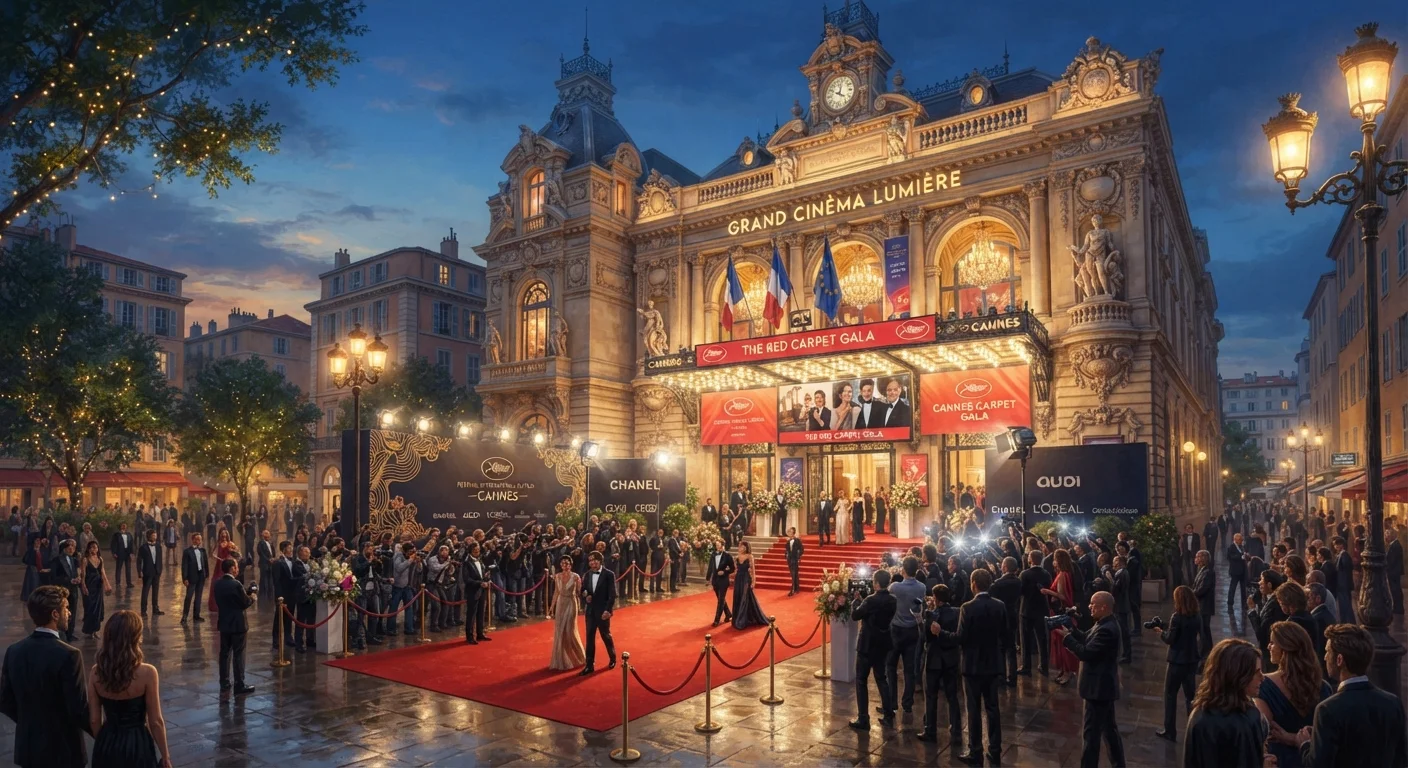
| Cannes Founded | 1946 (Festival de Cannes official history) |
| Venice Festival Founded | 1932 (Venice Film Festival official records) |
| Berlin International Film Festival Founded | 1951 (Berlinale official history) |
| Cannes Top Prize | Palme d'Or |
| Venice Top Prize | Golden Lion |
| Berlin Top Prize | Golden Bear |
| Collective Name | The Big Three European Film Festivals (Film industry and critical tradition) |
| Combined Yearly Submissions | Thousands of films from 100+ countries (Approximate, varies annually) |
The Big Three: Why These Festivals Matter
When film industry insiders talk about the most influential film festivals on Earth, three names dominate: Cannes, Venice, and Berlin. Known collectively as the Big Three, these European festivals shape critical reputations, launch international careers, and send ripples through global distribution markets that ultimately determine what ends up on American screens - in theaters or on streaming platforms.
Each festival carries a distinct identity. They are not interchangeable. Understanding what each one stands for helps explain why a film's festival debut matters far beyond the red carpet, and why certain titles arrive stateside carrying enormous critical weight before most American audiences have heard of them.
| Cannes Founded | 1946 (Festival de Cannes official history) |
| Venice Festival Founded | 1932 (Venice Film Festival official records) |
| Berlin International Film Festival Founded | 1951 (Berlinale official history) |
| Cannes Top Prize | Palme d'Or |
| Venice Top Prize | Golden Lion |
| Berlin Top Prize | Golden Bear |
| Collective Name | The Big Three European Film Festivals (Film industry and critical tradition) |
| Combined Yearly Submissions | Thousands of films from 100+ countries (Approximate, varies annually) |
For context on how festival recognition connects to where and how films are released in the US, see our piece on streaming vs. theatrical release and what each distribution path means for viewers.
Cannes: Glamour, Auteurism, and the Market
Held each May on the French Riviera, the Festival de Cannes is arguably the most famous film festival in the world - and for good reason. Its Competition section draws the most celebrated directors working today, often premiering highly anticipated films from established auteurs alongside bold new international voices. The Palme d'Or, awarded by a jury of film professionals, is widely considered the most prestigious prize in world cinema.
But Cannes is also an enormous marketplace. Running alongside the festival is the Marché du Film, one of the largest film markets anywhere, where thousands of titles are bought and sold for international distribution. This dual identity - artistic competition and commercial engine - gives Cannes its unique power. A film that wins the Palme d'Or doesn't just receive critical validation; it becomes an internationally marketable commodity overnight.
Festival Awards Don't Always Predict Oscars
Winning a Palme d'Or, Golden Lion, or Golden Bear is prestigious, but it doesn't guarantee Oscar nominations or widespread US theatrical distribution. Some festival darlings find their audiences through streaming platforms or art-house circuits rather than mainstream releases. The connection between European festival recognition and American awards-season momentum is real but indirect.
Cannes also champions emerging filmmakers through sidebars like Un Certain Regard and the Directors' Fortnight, making it a breeding ground for the next generation of global cinema. If you're curious about the international films that never quite reach American multiplexes, our guide to international cinema American viewers are missing offers a broader roadmap.
Venice: The Oldest Festival and Its Oscar Connection
Founded in 1932, the Venice Film Festival holds the distinction of being the world's oldest continuously running film festival. Held each September on the Lido island in Venice, Italy, it traditionally launches the fall awards season - an increasingly critical role in modern film culture.
Venice has become particularly known for premiering films that go on to significant Oscar campaigns. In recent years, a pattern has emerged where Golden Lion winners and other Venice selections frequently resurface during Academy Awards season. Studios have taken notice, timing prestige releases to debut at Venice for maximum awards momentum.
The festival's programming tends to balance adventurous international cinema with major studio prestige fare, giving it a somewhat broader mainstream appeal than Berlin while retaining serious artistic credibility. For American viewers, Venice is often the first glimpse of the films that will dominate conversation through the winter awards season. The awards season calendar helps illustrate exactly how Venice feeds into that broader cycle.
Berlin: Politics, Diversity, and the Bear
The Berlin International Film Festival, known as the Berlinale, runs each February and carries a reputation as the most politically engaged of the Big Three. Founded in West Berlin in 1951 during the Cold War, the festival has always been conscious of cinema's relationship to history, society, and power. Films dealing with migration, human rights, identity, and geopolitical conflict find a natural home in Berlin's competitive selection.
The festival's top prize, the Golden Bear, has historically gone to films with strong socially conscious themes. The Berlinale also places particular emphasis on diversity - in geography, genre, and perspective - and hosts the European Film Market, another major industry gathering that shapes international distribution deals.
For American audiences, Berlin is often where smaller-budget international films gain the visibility needed to secure US distribution. It's a festival that tends to reward daring, unconventional work, making it an essential compass for anyone tracking the full scope of world cinema beyond Hollywood's orbit. Those interested in navigating festival film lineups more broadly will find practical guidance in our piece on getting the most out of a film festival lineup.