

Key Takeaways
- Fan armies are organized communities that actively shape music charts, trending topics, and artist narratives.
- Well-known examples include the BeyHive (Beyoncé), Swifties (Taylor Swift), and Little Monsters (Lady Gaga).
- Digital platforms gave fan armies unprecedented coordination tools - from Twitter to TikTok to Discord.
- Fan mobilization can influence award shows, streaming counts, and even political awareness campaigns.
- The relationship between artists and their fan armies is a two-way dynamic of identity, loyalty, and culture-making.
Fan Army
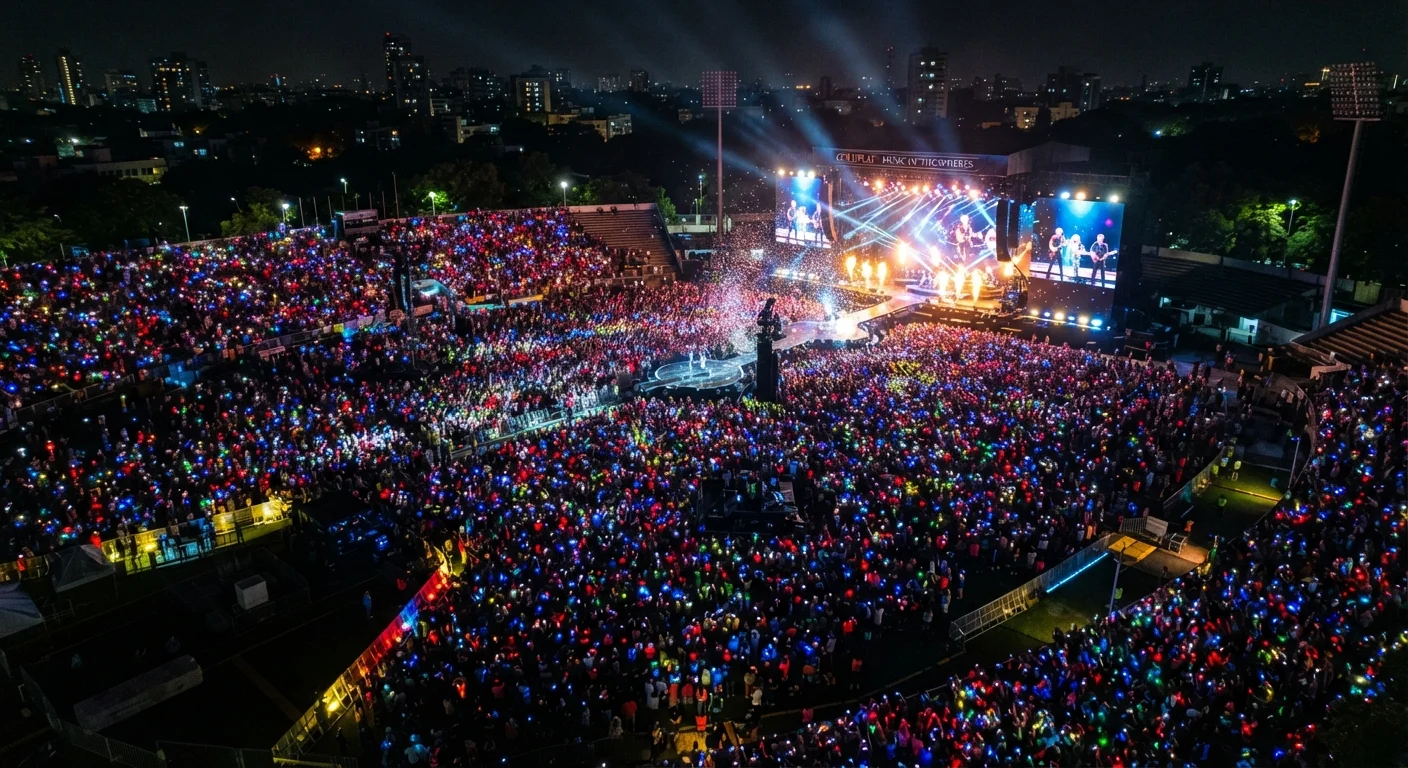
A fan army is an organized, highly passionate community of supporters rallying around a specific musical artist or group. Unlike casual listeners, members of fan armies coordinate their behavior - streaming songs, trending hashtags, attending events, and defending their favorite artist publicly. These communities have evolved from fan clubs of the past into sophisticated, digitally connected movements with real cultural and commercial clout.
In the music industry, fan armies are increasingly studied as demand-side influencers capable of affecting chart algorithms, award outcomes, and streaming metrics in measurable, statistically significant ways.
From Fan Clubs to Fan Armies: A Brief History
The idea of devoted music fans is nothing new - screaming crowds greeted Frank Sinatra in the 1940s and The Beatles in the 1960s. But those early fandoms were mostly reactive: fans showed up, cheered, bought records. Today's fan armies are something else entirely: proactive, coordinated, and culturally fluent in ways their predecessors simply couldn't be.
The shift happened gradually alongside the rise of the internet. Online forums in the 1990s let fans find one another across geography. Social media in the 2000s and 2010s gave them real-time tools to organize. By the time platforms like Twitter, TikTok, and Discord matured, fan communities had evolved into sophisticated networks capable of moving markets, dominating news cycles, and driving political awareness - sometimes all in the same afternoon.
Understanding this evolution matters because fan armies aren't just enthusiastic listeners. They are active participants in the cultural conversation around their artist, and their influence is impossible for the music industry - or anyone watching pop culture - to ignore. Social media visibility supercharged this transformation, giving both artists and fans unprecedented platforms for mutual amplification.
The Anatomy of a Modern Fan Army
What separates a fan army from a large fanbase? Organization, identity, and coordinated action. Most recognized fan armies have distinct names - the Swifties, the BeyHive, the BTS ARMY - and those names carry real meaning. They signal membership in something with shared values, shared history, and shared stakes in an artist's success.
3.8M
BTS ARMY Twitter followers at peak
The BTS ARMY fan account network has been cited among the largest and most coordinated fan communities on social media, per multiple platform analyses.
72hrs
Time for coordinated streams to chart
Industry observers note that organized fan streaming campaigns can move songs measurably on major charts within the first 72 hours of a release window.
$100M+
Estimated fan-driven merchandise revenue
Music industry analysts estimate that top-tier fan armies contribute hundreds of millions annually to artist merchandise ecosystems through coordinated purchasing behavior.
Within these communities, informal hierarchies often emerge: superfans who track release dates obsessively, "streaming generals" who coordinate play campaigns, and lore-keepers who catalog an artist's creative evolution across different musical eras. It's a remarkably structured ecosystem built entirely on volunteer passion.
Digital tools are the connective tissue. A single tweet from Taylor Swift can trigger thousands of coordinated responses within minutes. Discord servers maintain 24/7 fan operations. TikTok challenges spread new music in hours. The infrastructure rivals some professional marketing operations - except it's powered entirely by love for the artist.
How Fan Armies Coordinate Streams
Many fan armies use shared Google Docs, Discord channels, and Twitter threads to time streaming pushes during chart-eligibility windows - typically Friday through Thursday. Coordinated streams on multiple platforms simultaneously maximize an artist's chart impact in ways that casual listening patterns simply can't replicate. It's a grassroots operation with surprisingly sophisticated logistics.
Cultural and Civic Power: Beyond the Charts
Fan armies don't just move streaming numbers - they move culture. When Beyoncé's BeyHive rallied online during major album drops, the cultural conversation shifted around them. When Swifties began discussing voter registration in connection with Taylor Swift's public advocacy, the reach extended into civic engagement territory in ways few pop culture phenomena had managed before.
This broader influence is worth examining honestly. Fan armies have genuinely supported charitable causes and raised awareness for social issues. They've also, at times, directed online harassment toward critics, journalists, or rival artists - a darker dimension that analysts and cultural observers have noted with concern. The same organizational power that charts songs can be turned toward less constructive ends.
The music industry itself has taken notice. Labels now factor fan community strength into artist development strategies. Award shows increasingly reflect the mobilization capacity of fanbases rather than pure industry consensus. And viral music moments are often engineered partly with fan army behavior in mind - a feedback loop between artists, industry, and community that defines how pop culture operates today.
Fan armies have also influenced merchandise culture in profound ways. Artist merchandise has become an identity marker within these communities, with fans wearing tour gear as a badge of belonging as much as a purchase.
What Fan Armies Reveal About Us
At their core, fan armies are human communities built around shared meaning. Psychologists who study parasocial relationships - the one-sided emotional bonds people form with public figures - note that intense fandom fulfills genuine social and emotional needs: belonging, identity, shared purpose, and joy. That's not trivial, and it shouldn't be dismissed.
“Fandom is not a trivial part of culture - it's how millions of people build community, express identity, and engage with the world around them. The passion fans bring to an artist or a story is one of the most powerful and underestimated social forces we have.”
— Henry Jenkins, Media scholar and author of 'Textual Poachers: Television Fans and Participatory Culture'
Fan armies also expose some of the more complicated dynamics in modern celebrity culture. The intimacy artists cultivate with fans through social media creates powerful loyalty but also expectations that can become burdensome. Artists navigating massive fandoms have spoken candidly - in interviews, documentaries, and lyrics - about the pressure that comes with that level of devotion.
For the general observer, fan armies are a lens onto how identity, community, and commerce intersect in the digital age. They challenge the old model of passive entertainment consumption and replace it with something participatory, emotionally charged, and genuinely powerful. Whether you're a card-carrying Swiftie or a curious outsider, understanding fan armies means understanding something real about how culture works right now. For a deeper look at some of the assumptions surrounding these ecosystems, common music industry myths are worth examining too.