
Global vs. Local Content on Streaming Platforms: How International Shows Broke Through

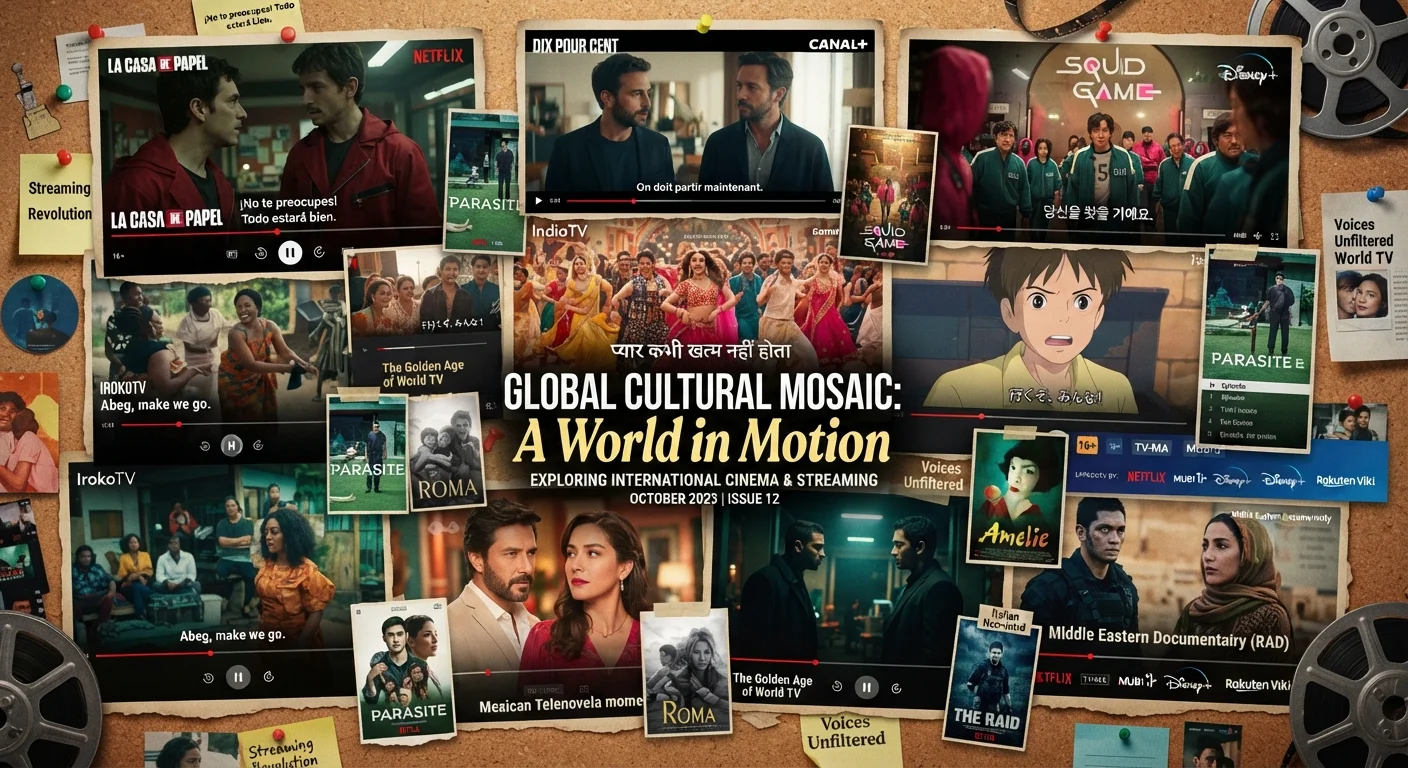
Key Takeaways
- Non-English streaming originals have built massive global audiences, fundamentally reshaping how platforms invest in content.
- Streaming platforms greenlight local-language shows partly because they cost far less than US productions while reaching global viewers.
- Subtitles and dubbing have become mainstream tools that reduce language barriers for general audiences.
- Cultural specificity - not generic universality - is often what makes international shows resonate worldwide.
- Algorithm-driven recommendations on streaming platforms play a major role in exposing viewers to foreign-language content.
Global vs. Local Streaming Content
Streaming platforms produce both 'local' content - shows and films made for a specific country or language market - and 'global' content designed to appeal across many countries at once. International breakout hits are local productions that unexpectedly (or deliberately) find massive audiences far beyond their home markets. Platforms now treat local-language originals as a serious global content strategy, not just a niche offering.
In industry terms, 'local originals' are productions where a platform funds content in a non-English language, typically targeting a primary regional audience while retaining worldwide distribution rights.
The Turning Point: When Local Became Global
For most of TV history, American viewers rarely encountered foreign-language content outside of film festivals or niche cable channels. That changed dramatically when streaming platforms began funding non-English originals and distributing them worldwide overnight. A Spanish heist thriller, a Korean survival drama, or a German sci-fi series could suddenly land in living rooms across all 50 states - with subtitles or dubbing ready to go.
The turning point wasn't one single show, but a pattern: locally produced content kept outperforming expectations on a global scale. Platforms quickly recognized that the international content strategy wasn't a cultural experiment - it was a growth engine. For consumers, it meant an unprecedented window into storytelling traditions from around the world.
To understand why this matters, see how streaming reshaped film distribution more broadly - the same forces that disrupted theatrical releases also opened the door to global content.
60+
Countries producing streaming originals for major platforms
Major streaming services have reported commissioning original content from more than 60 countries as part of deliberate local content strategies.
~50%
Share of Netflix viewing outside English-language titles
Netflix has publicly noted that a substantial and growing share of global viewing hours comes from non-English language programming, reflecting the strategy's scale.
190+
Countries reached by top international streaming originals
Hit international originals distributed by major platforms have been viewed in virtually every country where those platforms operate.
How Platforms Greenlight International Originals
Greenlighting a local-language original follows a similar logic to any content investment, but with additional layers. Platforms evaluate regional subscriber data, local creative talent, existing genre appetite, and production cost - which for many international markets runs significantly lower than comparable US productions. A Korean drama can be produced at a fraction of the cost of a US network procedural, yet reach tens of millions of viewers globally.
Platforms also weigh cultural specificity. Counter-intuitively, the shows that travel best internationally are often the most rooted in their home culture - sharp social commentary, distinct visual styles, and genre conventions unfamiliar to American viewers. Generic, watered-down storytelling tends to appeal to no one in particular. Authenticity, it turns out, is a competitive advantage.
Each major platform approaches this differently - some invest heavily in specific regions, others spread bets across dozens of markets simultaneously.
Give Subtitles a Real Try
If you've never watched a subtitled series, consider sticking with one for at least two full episodes before deciding it's not for you. Most viewers report that reading subtitles becomes second nature quickly and stops feeling like extra effort. Starting with a fast-paced genre show - thriller or crime drama - can help, since the momentum keeps you engaged.
Breaking the Language Barrier: Subtitles, Dubbing, and Algorithms
Technology has done heavy lifting in making international content accessible. Streaming platforms now offer professional dubbing in multiple languages alongside subtitle tracks, reducing the friction that once kept casual viewers from trying foreign-language shows. For many American viewers, subtitles went from feeling like a chore to becoming a normal part of watching television.
Recommendation algorithms have played an equally important role. When a platform's system detects that a viewer enjoys a particular genre - crime thrillers, family dramas, sci-fi - it will surface matching international titles alongside English-language ones. Many viewers report stumbling into their favorite international shows through a recommended-for-you queue rather than an intentional search.
The ongoing debate between subtitles and dubbing reflects how seriously audiences now take these viewing choices. And for those curious to go deeper, international cinema offers far more variety than most US viewers realize.
What This Means for American Audiences
The rise of international streaming originals has meaningfully expanded what US viewers expect from television and film. Stories from South Korea, Scandinavia, Latin America, and beyond have introduced genre blends, pacing styles, and emotional registers that feel genuinely fresh. American audiences who might never have sought out foreign cinema are now regularly watching subtitled content as part of their weekly streaming routine.
This cultural exchange also has downstream effects. The metrics platforms use to renew or cancel shows increasingly reflect global viewership, meaning an international hit can survive and thrive on its worldwide audience even if its domestic numbers are modest. Similarly, anime's mainstream breakthrough is a close parallel - global fandom built through streaming investment changed what platforms were willing to greenlight.
For curious viewers, the message is simple: the golden age of international storytelling is already here, and it's streaming right alongside everything else in your queue.
Viewership Data Remains Platform-Controlled
Streaming platforms are not required to publicly disclose detailed viewership figures, and methodologies vary when they do share numbers. Statistics about 'most-watched' shows are typically self-reported by platforms and may reflect hours viewed, households reached, or other metrics that differ between companies. Keep that context in mind when evaluating claims about a show's global reach.