
The Rise of Streaming-Exclusive Films: How Theatrical and Digital Releases Diverged

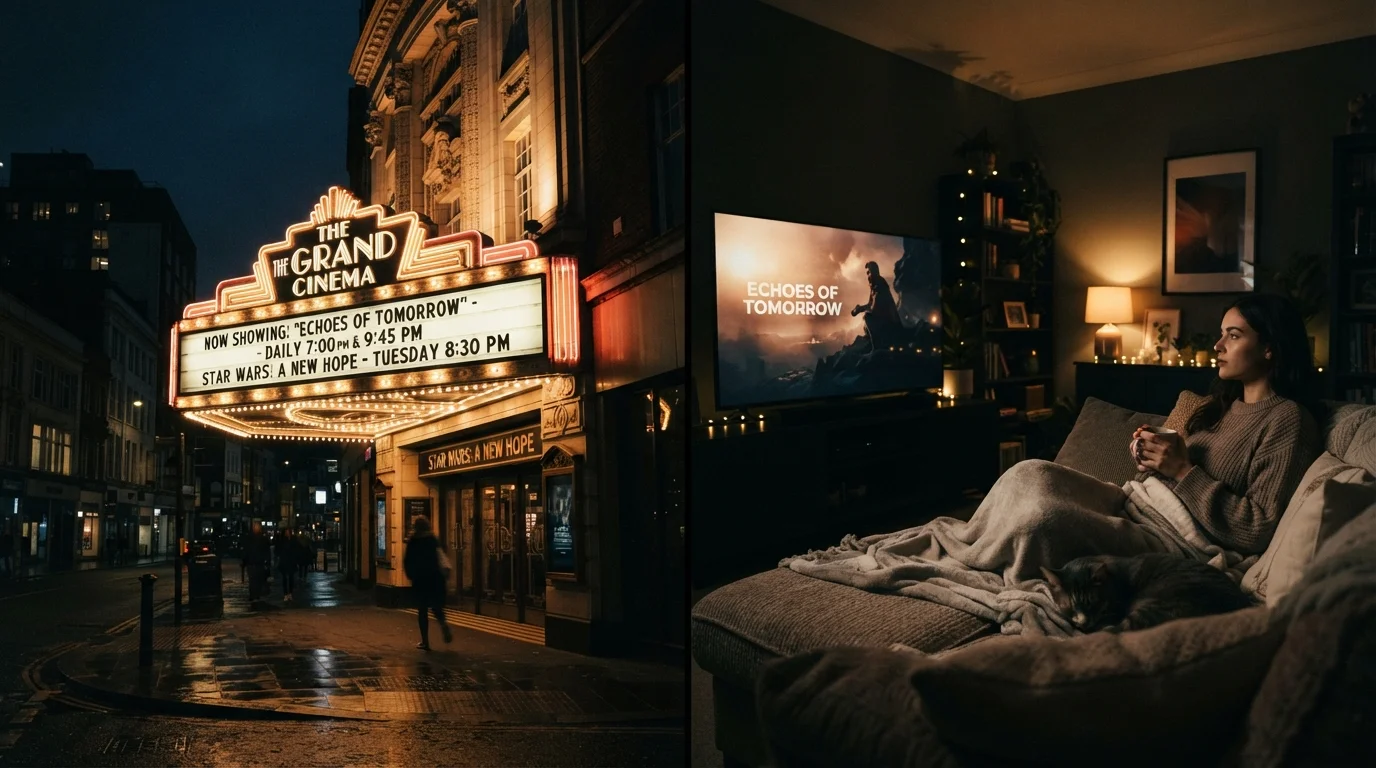
Key Takeaways
- Streaming-exclusive films bypass theaters entirely, landing directly on subscriber platforms.
- The COVID-19 pandemic dramatically accelerated the shift toward digital-first releases.
- Major studios now produce a significant share of their slates as streaming originals.
- Theatrical window agreements between studios and cinemas still shape how hybrid releases work.
- Awards eligibility rules have evolved - but theatrical releases still carry prestige advantages.
- Viewers benefit from instant access, while filmmakers navigate new creative and commercial trade-offs.
Streaming-Exclusive Film
A streaming-exclusive film is a movie released directly onto a streaming platform - such as Netflix, Amazon Prime Video, or Apple TV+ - without a traditional theatrical run in cinemas. Rather than following the standard path of debuting in theaters before moving to home video and then streaming, these films skip the multiplex entirely and land straight in subscribers' homes. The model has grown from a niche experiment into a major pillar of how Hollywood and independent studios distribute movies.
Industry insiders sometimes distinguish between "day-and-date" releases (simultaneous theatrical and streaming debuts) and true streaming exclusives (no theatrical run at all), as each carries different implications for awards eligibility and revenue accounting.
How Film Distribution Used to Work
For most of Hollywood's history, getting a movie in front of audiences followed a well-worn playbook. A film would debut in theaters, generating box office revenue over weeks or months, then move through a cascade of secondary markets - home video, pay-per-view, cable TV, and eventually broadcast television. This tiered system, known as the release window model, protected each revenue stream by keeping them separate in time.
Theaters sat at the top of the hierarchy, and studios depended on that opening weekend revenue to judge a film's commercial viability. For a deeper look at how that money actually moved, our breakdown of box office economics covers the full picture - from ticket sales to streaming payouts.
The theatrical window - the gap between a film's cinema debut and its home release - was typically around 90 days. Cinemas fought hard to preserve it, viewing exclusivity as existential to their business model. That consensus held, more or less, until streaming platforms arrived with enough money and subscribers to challenge it.
The Streaming Disruption: A New Path to Audiences
When Netflix pivoted from DVD-by-mail to streaming and then into original content production in the early 2010s, it introduced a fundamentally different logic to film distribution. Instead of selling tickets or physical media, platforms needed subscribers - and exclusive content was the most powerful tool for attracting and retaining them.
Early streaming originals were modest in ambition, but the model matured quickly. By the mid-2010s, major platforms were competing directly with studios for talent, releasing films that played at prestigious festivals like Sundance and Cannes before heading straight to their platforms rather than into wide theatrical release. If you've ever wondered how films discovered at festivals reach streaming audiences, our festival guide explains the journey.
45 days
Shortened theatrical window at some major studios
Several major studios negotiated agreements with theater chains reducing the exclusive theatrical window from the traditional 90 days to as few as 45, a shift that solidified after pandemic-era experiments.
50%+
Share of Netflix content that is original programming
Netflix has publicly indicated that original and exclusive content makes up a majority of its programming investment, reflecting how central streaming originals have become to platform strategy.
$17B+
Annual content spend by leading streaming platforms
Industry analysts have estimated that top-tier streaming platforms each spend well over $10-17 billion annually on content, including exclusive films and series, according to widely reported financial disclosures.
The pandemic years of 2020-2021 collapsed whatever resistance remained. With theaters shuttered globally, studios had little choice but to experiment with simultaneous streaming and theatrical releases - or bypass cinemas entirely. Some of those experiments stuck long after theaters reopened.
Theatrical vs. Streaming: What Each Path Actually Means
The distinction between a theatrical release and a streaming exclusive isn't just logistical - it carries real implications for how a film is received, funded, and remembered. Theatrical releases benefit from the cultural event energy of opening weekends, reviews, and the communal experience that watching at home simply can't replicate.
Streaming exclusives, by contrast, often reach larger raw audiences faster. A film released directly to a major platform with hundreds of millions of subscribers can accumulate views that no theatrical run could match - though platforms have historically been reluctant to publish viewership data in detail, making direct comparisons difficult.
“The question is no longer whether streaming is a legitimate home for serious cinema - it's how the industry will negotiate the new rules of prestige, access, and cultural impact that streaming has made unavoidable.”
— A. O. Scott, Film critic and cultural commentator
Awards season remains a sticking point. The Academy has maintained that Oscar-qualifying films must have a theatrical run, pushing streaming platforms to arrange limited theatrical engagements for their prestige titles. The theatrical window's role in this ecosystem is explained in full here. Meanwhile, the broader question of what theatrical vs. streaming release paths mean for the industry is explored in this detailed look at the shift.
Who Makes Streaming-Exclusive Films - and Why
The range of filmmakers and studios releasing streaming exclusives has grown to encompass nearly every corner of the industry. Independent productions, international films, documentaries, and star-driven dramas all appear in platform-exclusive slates. Streaming has been particularly transformative for documentary filmmaking, which found a massive new audience through direct digital delivery.
International cinema has also flourished under the streaming model. Platforms actively invest in non-English-language productions, helping local stories reach global audiences - a phenomenon explored in depth in our piece on global streaming content. For broader context on American audiences' growing relationship with foreign-language cinema, this article charts the shift.
Keep Track of Expiring Streaming Titles
Even streaming-exclusive films can disappear from platforms when licensing agreements shift or studios restructure their libraries. If a film is on your watchlist, it's worth checking sooner rather than later - our guide to catalog removals explains why titles vanish and how to stay ahead of it.
For studios, the calculus is straightforward: streaming originals can bypass the unpredictable economics of theatrical distribution, delivering content directly to a guaranteed subscriber base. For filmmakers, the trade-off is often creative freedom in exchange for reduced theatrical prestige - a bargain many have been willing to make.