

Key Takeaways
- Individual streaming prices look small, but three to five services easily exceed $50-$80 per month combined.
- Many subscribers underestimate their total streaming spend because charges arrive on different billing dates.
- Streaming libraries are intentionally fragmented, pushing consumers toward subscribing to multiple platforms.
- Subscription fatigue is a documented consumer trend that platforms are actively responding to with ad-supported tiers.
- Regularly auditing your active subscriptions is one of the most effective ways to regain control of recurring costs.
Subscription Fatigue
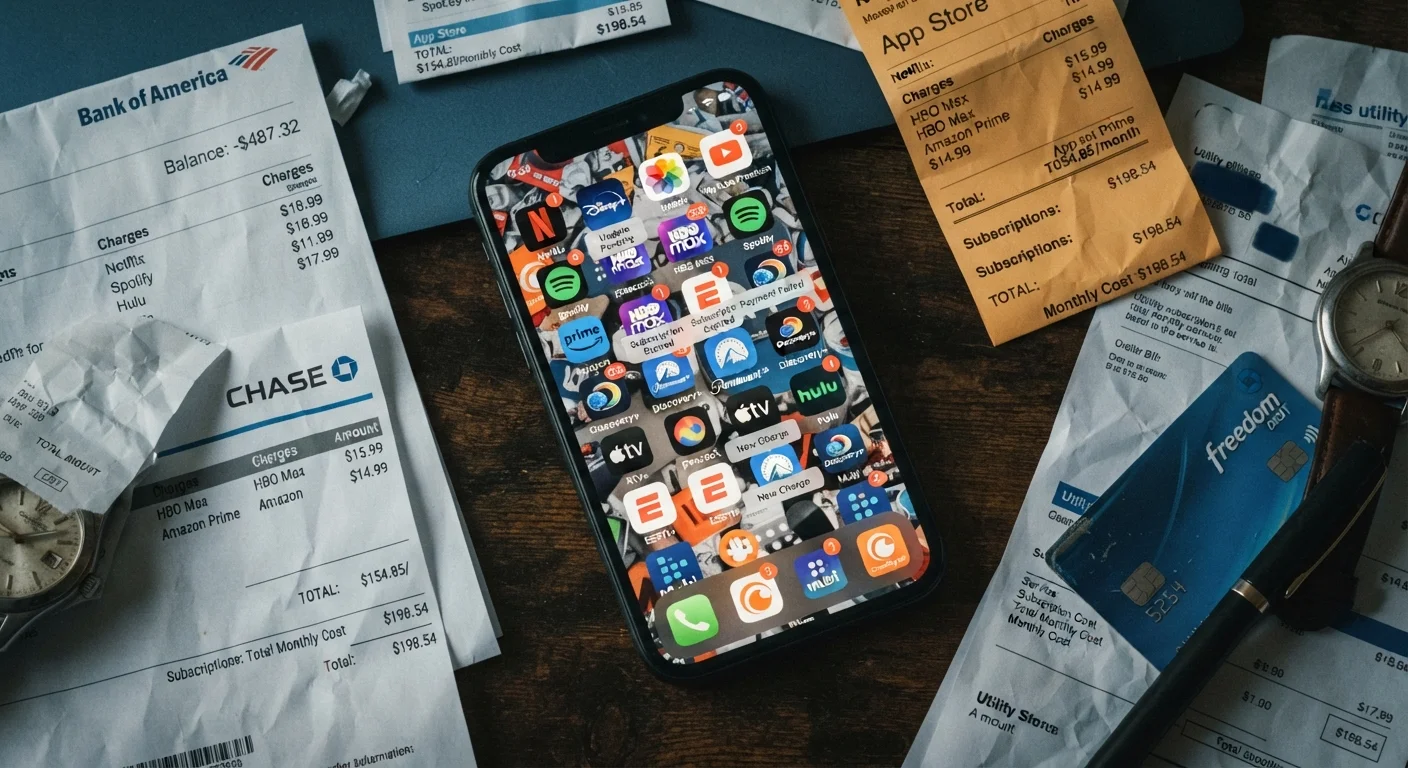
Subscription fatigue is the sense of overwhelm - both financial and mental - that comes from managing too many recurring paid services at once. In the streaming world, it describes the growing frustration consumers feel when their monthly entertainment bills quietly balloon across Netflix, Hulu, Disney+, Max, Peacock, and others. The combined cost, complexity, and cognitive load of tracking multiple subscriptions can make the experience feel more exhausting than enjoyable.
Economists sometimes frame this as a form of 'bill shock' amplified by the subscription economy's tendency to rely on low per-unit pricing that obscures true aggregate spend over time.
How Streaming Costs Stack Up Without You Noticing
The appeal of streaming was always simplicity: one low monthly fee in place of a bloated cable bill. But that promise has quietly unraveled. Today, exclusive content is deliberately spread across a growing number of platforms, and following your favorite shows often means following them across multiple services. A drama on one platform, a sports package on another, a kids' library on a third - suddenly, the cable bill you ditched has returned in a new form, just fragmented across half a dozen line items.
The math accelerates fast. At current standard pricing, subscribing to four or five mainstream streaming services can cost between $60 and $100 per month before taxes and optional add-ons. That's comparable to - and sometimes exceeding - the mid-tier cable packages many consumers originally left behind.
What makes this particularly easy to miss is the timing. Streaming services bill independently, often on different dates throughout the month. That staggered rhythm means no single statement reveals the full picture, and the psychological weight of each individual charge feels minor in isolation.
$61-$91
Estimated monthly cost of 4-6 streaming services
Based on standard pricing tiers from major platforms as of recent reporting; actual totals vary by service tier and promotions.
4+
Average number of streaming services per US household
Multiple industry surveys, including research cited by Parks Associates, have consistently tracked US household subscriptions averaging four or more active services.
~47%
Subscribers who report feeling overwhelmed by their streaming options
Per consumer sentiment surveys conducted by Deloitte's Digital Media Trends report across recent years.
Why the Streaming Landscape Is Designed This Way
Content fragmentation isn't accidental - it's a deliberate business model. When a studio or media company launches its own streaming platform, it pulls its most valuable titles from competitors' libraries to drive subscriptions to its own service. This strategy, sometimes called content siloing, is why beloved franchises and hit shows seem to keep migrating between platforms or vanishing from services you already pay for.
The result for consumers is what industry observers call a "streaming tax" - the aggregate premium you pay just to access content that was once available in a single place. Understanding this dynamic helps explain why subscription fatigue isn't a personal budgeting failure. It's a structural outcome of how the streaming industry has evolved. For a closer look at how this model reshapes what you're actually paying for entertainment, see our piece on how subscription models change the true cost of a purchase.
“The unbundling of cable was supposed to save consumers money, but what we've seen instead is a rebundling - just spread across multiple bills and multiple platforms, often at comparable or higher aggregate cost.”
— Kevin Westcott, Vice Chair, Telecommunications, Media & Entertainment at Deloitte
The Psychology Behind Accumulating Subscriptions
Behavioral economics offers a clear explanation for how households end up oversubscribed. Low monthly prices exploit a cognitive bias known as "pain of paying" - smaller, recurring charges feel less significant than a single large purchase, even when the annual total is substantial. A $15 monthly streaming fee costs $180 per year; multiply that across five services and the annual figure crosses $900.
There's also an inertia effect at play. Canceling a subscription requires a deliberate decision, while keeping it requires no action at all. Platforms design their cancellation flows to be multi-step and somewhat inconvenient, leaning into the fact that most people will delay or avoid the effort. Many subscribers continue paying for services they haven't actively used in weeks simply because canceling felt like a task they'd get to later.
Try a Monthly Subscription Audit
Once a month, pull up your bank or credit card statement and list every streaming charge you see. Total them up and compare the figure against how often you actually used each service. Even a five-minute review can surface subscriptions you've completely forgotten about. Canceling just one unused service adds up to meaningful savings over a year.
If you're weighing whether each service still earns its place in your budget, our framework for evaluating whether a subscription is worth keeping offers a structured way to think it through.
Free and Lower-Cost Alternatives Worth Understanding
The streaming industry's response to subscriber pushback has come in two forms: ad-supported tiers and the rise of FAST channels. Ad-supported tiers from major platforms offer a lower monthly price in exchange for commercial breaks - a trade-off that effectively returns some of the savings consumers lost to price increases. Whether that trade is worthwhile depends on how sensitive you are to ads and how often you watch.
FAST channels - Free Ad-Supported Streaming Television - go further, offering content at no subscription cost at all, funded entirely by advertising. These platforms have expanded their libraries considerably and now carry original content, news, and licensed programming. They're not a complete substitute for premium services, but they can meaningfully offset subscription costs for viewers willing to accept an ad-supported experience. Our plain-language guide to FAST channels explains exactly how they work and what to expect.
It's also worth understanding that free doesn't always mean without cost - just without a direct subscription fee. For a fuller picture, see our look at the hidden costs of free streaming services, which covers what viewers give up in exchange for no-charge access.