

Key Takeaways
- The gut and brain communicate bidirectionally through nerves, hormones, and immune signals.
- The enteric nervous system in the gut operates semi-independently and contains around 500 million neurons.
- Gut microbes produce neurotransmitters and metabolites that may influence mood and cognition.
- Stress and mental health states can directly affect digestive function and gut microbiome composition.
- Research is still evolving - most findings are promising but not yet fully translated into clinical practice.
Gut-Brain Axis
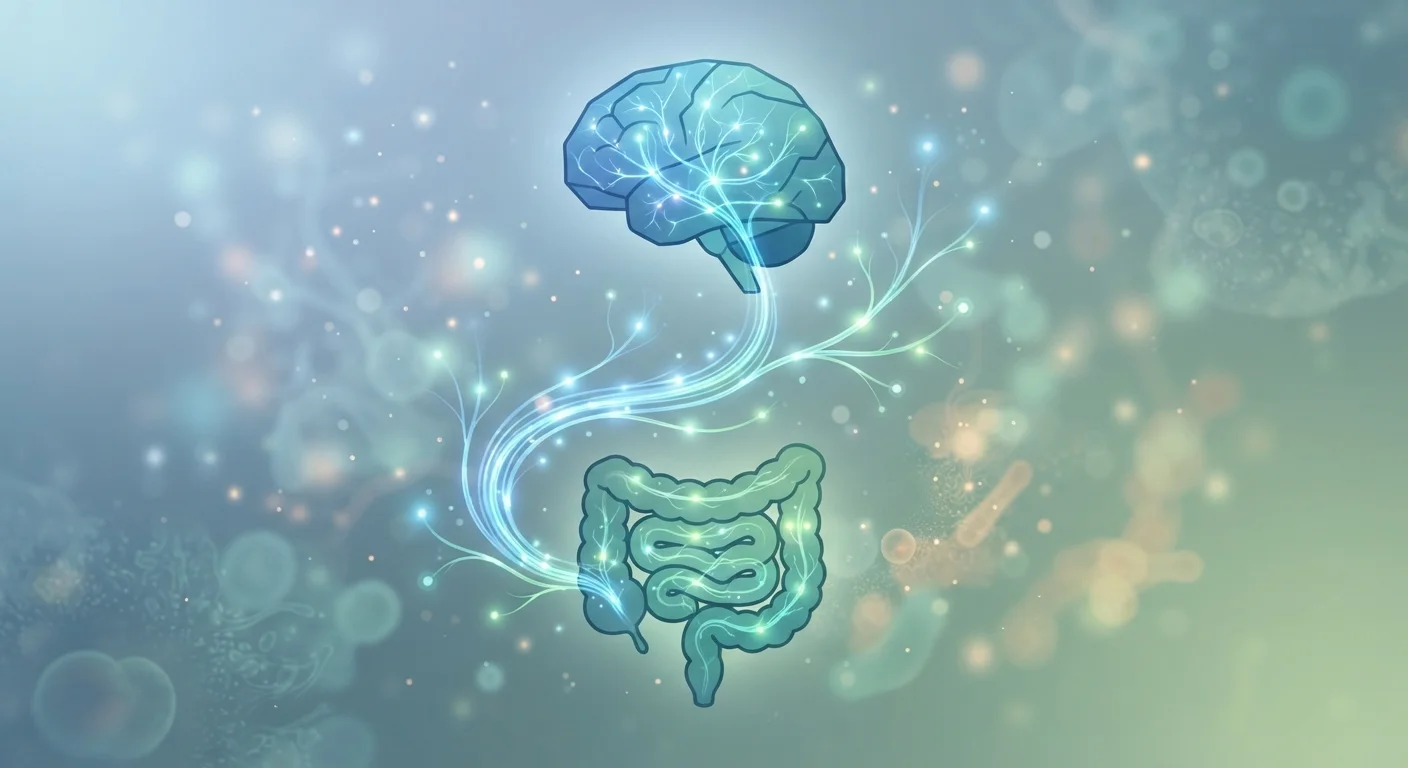
The gut-brain axis is the two-way communication network linking the digestive system and the brain. It involves nerve signals, hormones, and immune messengers that travel in both directions, meaning the gut influences the brain and the brain influences the gut. This system helps coordinate digestion, mood, stress responses, and other functions critical to overall health.
The vagus nerve serves as a primary physical highway of this axis, carrying signals between the enteric nervous system - often called the 'second brain' - and the central nervous system.
What Is the Gut-Brain Axis?
The term gut-brain axis describes the sophisticated, bidirectional communication network connecting the gastrointestinal tract and the central nervous system. Far from being isolated organs, the gut and brain are in continuous dialogue - exchanging information through nerve pathways, the endocrine (hormonal) system, and immune signaling molecules.
At the center of this network is the enteric nervous system (ENS), a vast mesh of roughly 500 million neurons embedded in the gut wall. The ENS can regulate digestive processes independently of the brain, which is why it earned the informal label of the "second brain." It communicates upward to the brain primarily via the vagus nerve, a long cranial nerve that acts as a high-traffic corridor for gut-to-brain and brain-to-gut signals.
For a broader introduction to how the digestive system functions day-to-day, see Gut Health 101.
The Role of the Gut Microbiome
Trillions of microorganisms - bacteria, fungi, viruses, and other microbes - colonize the human gut, collectively forming the gut microbiome. Research has established that this microbial community is not a passive passenger; it actively participates in gut-brain communication.
Gut microbes produce or stimulate the production of key neuroactive compounds, including serotonin (an estimated 90-95% of the body's serotonin is produced in the gut), gamma-aminobutyric acid (GABA), and short-chain fatty acids. These substances interact with the nervous system and may influence mood, stress reactivity, and cognitive function - though the precise mechanisms are still being clarified by ongoing research.
~500M
Neurons in the enteric nervous system
The human gut contains an estimated 500 million neurons - more than the spinal cord - supporting its designation as the body's 'second brain'.
90-95%
Of the body's serotonin produced in the gut
Research consistently shows the vast majority of the body's serotonin - a key neurotransmitter involved in mood regulation - is synthesized in the gastrointestinal tract.
Trillions
Microorganisms in the human gut microbiome
The gut microbiome is estimated to contain trillions of microbial cells representing thousands of species, with composition varying significantly between individuals.
Importantly, this relationship runs in both directions. Psychological stress can alter the composition of the gut microbiome, potentially disrupting microbial balance in ways that feed back into nervous system function. Animal studies have provided compelling evidence for this loop, though translating findings to human clinical outcomes remains an active area of scientific inquiry.
What you eat is a primary lever for shaping microbiome diversity. How food choices influence your microbiome explores this in depth.
Stress, Mood, and the Gut Connection
Many people have experienced the gut's sensitivity to emotional states - the "butterflies" before a stressful event, or nausea during anxiety. These are everyday expressions of the gut-brain axis at work. The brain's stress response system, including the hypothalamic-pituitary-adrenal (HPA) axis, can trigger physiological changes in the gut: altered motility, increased intestinal permeability, and shifts in microbial composition.
“The gut is not just a digestive organ - it is a sensory organ that reports constantly to the brain about the state of the internal environment.”
— Emeran Mayer, Gastroenterologist and author of research on the gut-brain connection
Conversely, gut signals appear to influence how the brain processes emotional information. Some research has explored whether interventions targeting the gut microbiome - such as dietary changes or probiotic supplementation - might affect mood or stress outcomes. Findings so far are intriguing but preliminary; robust clinical evidence supporting therapeutic use in humans is still limited.
Conditions such as irritable bowel syndrome (IBS) illustrate the gut-brain axis in clinical practice. IBS is associated with both gastrointestinal symptoms and elevated rates of anxiety and depression, though researchers continue to debate the direction of causality in this relationship.
Supporting Gut-Brain Wellbeing Through Lifestyle
General wellness habits - including a varied, fiber-rich diet, regular physical activity, sufficient sleep, and stress management practices - are associated with healthier gut microbiome diversity and overall nervous system function. These are not treatments for any condition, but they represent sensible, well-supported foundations for everyday health. Always speak with a healthcare provider before making significant changes to your diet or lifestyle if you have an existing health condition.
What the Science Can and Cannot Yet Tell Us
The gut-brain axis is a genuinely exciting frontier in health research, but it is important to distinguish established science from emerging hypotheses. The anatomical and biochemical pathways linking gut and brain are well-documented. Less settled are the clinical implications - that is, whether specific interventions reliably produce measurable health outcomes in humans.
Probiotic and prebiotic research, for example, shows promise in some controlled studies but is inconsistent across populations and conditions. Similarly, while diet clearly shapes the microbiome, the downstream effects on brain health require larger, longer-term human trials before firm recommendations can be made. For a grounded look at one popular category, fermented foods and gut health research offers an honest evidence review.
Wellness trends sometimes overstate what gut-brain science currently supports. Consumers should be cautious of products or protocols that promise to "heal" the gut-brain axis - the science does not yet support such claims. Maintaining a varied, balanced diet, managing stress, and getting adequate sleep remain the most consistently supported general strategies for overall wellbeing.
This article is for general informational and educational purposes only and does not constitute medical advice. If you have concerns about your digestive health, mental health, or any related symptoms, please consult a qualified healthcare professional.