

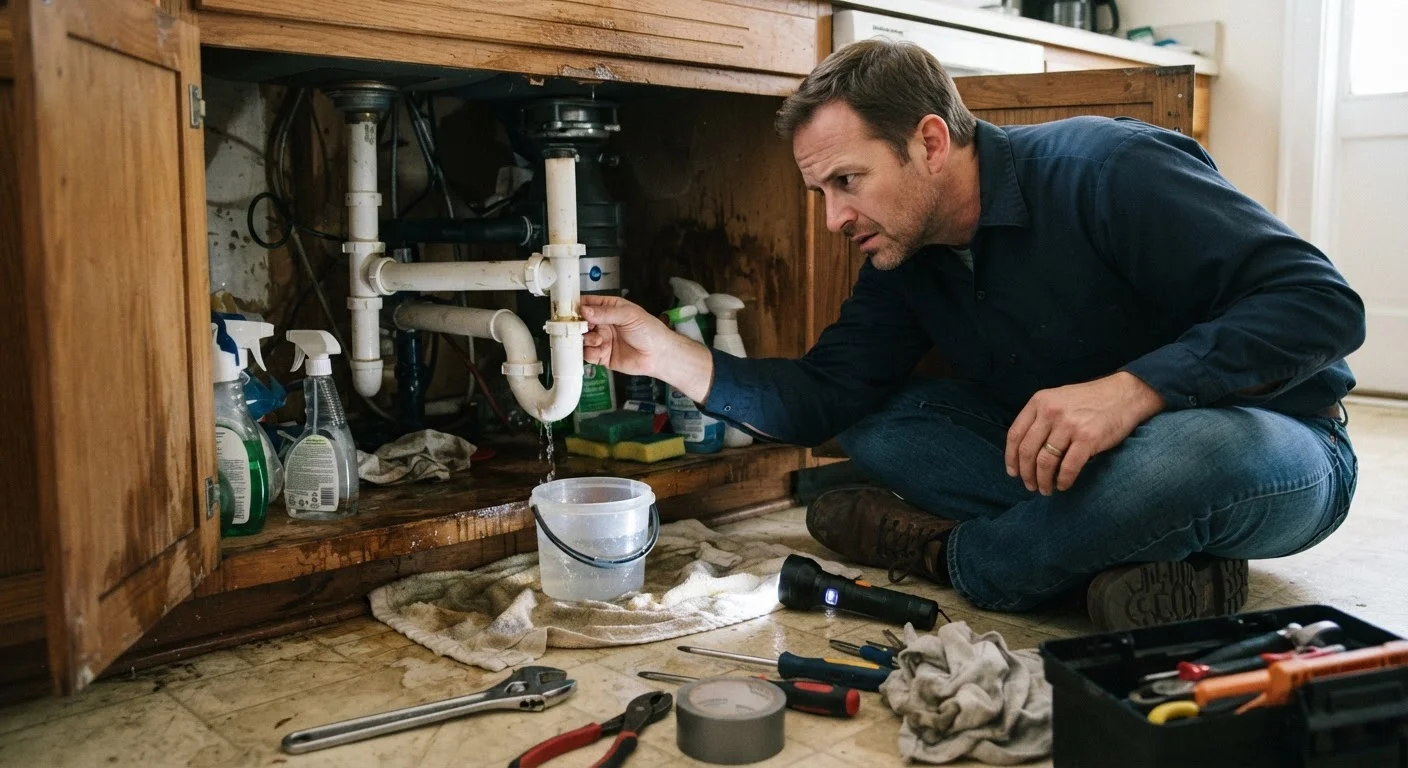
Key Takeaways
- Delaying minor repairs almost always leads to larger, costlier damage down the line.
- Using the wrong materials or skipping surface prep can cause repairs to fail prematurely.
- Skipping required permits can trigger fines, failed inspections, and expensive rework.
- Misdiagnosing a problem means paying twice - once for the wrong fix, once for the right one.
- Hiring unqualified help to cut costs often creates more expensive problems than it solves.
Why Simple Repairs Get Complicated
A dripping faucet, a cracked tile, a small patch of drywall - these are the kinds of repairs that should cost a few hours and a modest amount of money. Yet homeowners frequently find themselves facing bills that are two, three, or even five times what they expected. The culprit is rarely the repair itself. It's everything that happens - or doesn't happen - before, during, and after the work begins.
Understanding what inflates repair costs puts you in a better position to avoid those traps. The list below breaks down the most common ways a manageable fix turns into an expensive ordeal, so you can recognize the patterns and course-correct before costs spiral. As a broader reminder, small problems compound fast in ways that aren't always obvious until the damage is already done.
Waiting too long to act
Time is one of the most expensive variables in home repair. A small roof leak ignored through two rainy seasons can rot the sheathing beneath, damage insulation, and eventually compromise ceiling drywall - turning a relatively minor patch into a multi-trade project. Water, mold, pests, and structural stress all grow exponentially when given time. The longer a problem is deferred, the more of the surrounding material it claims.
Deferred repairs rarely stay the same size - they almost always grow.
Misdiagnosing the root cause
Fixing the symptom without identifying the source is one of the costliest mistakes a homeowner can make. Patching a crack in drywall without finding out why the wall moved - foundation settling, framing issues, moisture - means the crack will return. Replacing a circuit breaker that keeps tripping without inspecting the wiring means the underlying fault persists. A misdiagnosis leads to paying for the wrong repair, then paying again for the right one.
Treating the symptom without finding the cause guarantees you'll pay twice.
Skipping surface preparation
Preparation is unglamorous but non-negotiable. Paint applied over a dirty or peeling surface will bubble and peel within months. Caulk applied to a wet or oily joint won't bond and will need to be removed and reapplied. Tile adhesive on a dusty or unlevel substrate leads to cracked grout lines and loose tiles. Skipping prep saves an hour upfront and costs a full redo later - often with additional material costs because the failed materials need to be stripped first.
Skipping prep saves an hour and costs a full redo later.
Using the wrong materials for the job
Not all materials labeled for a purpose are interchangeable. Interior caulk used in a bathroom will fail quickly in a wet environment; it requires a mold-resistant, waterproof formulation. Standard drywall used in a shower surround will absorb moisture and disintegrate. The wrong grade of wood filler applied to exterior trim will shrink, crack, and need replacement within a season. Choosing material based on price alone - without checking suitability - is a reliable path to doing the job twice. For a related lens on this, the real cost of a material choice often shows up well after the purchase.
The wrong material for the environment will fail regardless of how well it's applied.
Skipping permits when they're required
Certain repairs and modifications - electrical panel work, structural changes, HVAC replacement, and others - typically require a permit and inspection in most US jurisdictions. Skipping this step can result in fines, required demolition of completed work, and difficulty selling the home later. It can also void homeowner's insurance coverage in the event of a related incident. Understanding which repairs commonly require permits and verifying local requirements before starting work is a straightforward way to avoid a very expensive surprise.
Unpermitted work can trigger fines, forced demolition, and insurance complications.
Hiring based on price alone
A contractor who bids significantly below others isn't always a bargain - they may be cutting corners on materials, using unqualified labor, or planning to add costs through change orders once work is underway. Poor workmanship on plumbing, tile, or electrical work often creates new problems that a second contractor then has to diagnose and fix. The cost of bad work includes both the failed job and the corrective work. Evaluating qualifications, references, and scope of work matters as much as the number on the estimate.
The cheapest contractor can become the most expensive once rework is factored in.
Buying just enough materials (and then running short)
Underestimating material quantities is a common and costly mistake. Flooring, tile, and paint often need to be purchased from the same production batch to ensure color and texture consistency. Running short mid-project and returning to the store frequently means working with a different batch - resulting in visible mismatches. It also means multiple trips, additional delivery fees, and project delays. Adding a reasonable overage (typically 10-15% for tile and flooring) upfront is almost always less expensive than trying to source a match later.
Running short mid-project often means paying a premium for materials that no longer match.
Making Smarter Repair Decisions
Every item on this list shares the same underlying cause: a decision made without enough information or patience. Whether it's rushing the prep work, assuming a problem is smaller than it is, or trying to save money in the wrong place, the shortcuts that seem reasonable in the moment are almost always the ones that drive costs up later.
Get clarity before work starts
Before any repair begins, ask the contractor - or yourself, for DIY projects - to identify both the visible problem and its underlying cause. Confirm that materials selected are rated for the specific environment (wet, exterior, high-traffic, etc.). A few extra minutes of planning at the start can prevent the most common and expensive repair mistakes.
If you're evaluating quotes for a repair job and something doesn't add up, it's worth understanding labor rates and parts markups before agreeing to anything. The same logic applies to home repairs as it does to auto work - knowing how to read a repair estimate helps you ask better questions and avoid overpaying. And keep in mind that the lowest-priced option rarely stays cheapest once durability and maintenance are factored in.