

Key Takeaways
- Permits are required for repairs that affect structural integrity, electrical systems, plumbing, or HVAC.
- Skipping a required permit can result in fines, forced removal of work, and complications when selling your home.
- Permit requirements vary by local jurisdiction - always verify with your local building department.
- Licensed contractors are generally familiar with local permit rules and can often pull permits on your behalf.
- Minor cosmetic repairs like painting or replacing fixtures typically do not require permits.
Repair Permit
A repair permit is an official authorization issued by a local government agency that allows a homeowner or contractor to perform specific repair or construction work on a property. It ensures the work meets local building codes, which are safety standards adopted by municipalities. Once work is complete, an inspector typically visits to verify compliance before the permit is closed out.
Permit requirements are governed by local jurisdictions - often counties or municipalities - that adopt model building codes (such as the International Residential Code) with their own amendments. Requirements vary significantly by location.
Why Permits Exist in the First Place
Building permits aren't bureaucratic red tape for its own sake. They exist because certain types of repair work - if done incorrectly - can create serious safety hazards for occupants, neighbors, and future buyers. Local governments adopted building codes to establish minimum safety standards, and the permit process is how they enforce those standards.
When a permit is issued and an inspector signs off, there's an official record that the work was done to code. That record matters when you sell your home, file an insurance claim, or simply want peace of mind that your house is structurally sound. Skipping the process doesn't eliminate the risk - it just removes the safety check. As our guide on understanding permits before starting a home improvement project explains, the consequences of skipping can follow a homeowner for years.
Permit Rules Vary by Location
There is no single national standard that determines when a repair requires a permit. States, counties, and municipalities each adopt and amend their own building codes. A repair that needs a permit in one town may not require one in the next. Always verify with your local building department - not a neighbor's experience or a general online search - before starting any work.
Which Types of Repairs Commonly Require a Permit
Not every repair triggers a permit requirement. Painting a room, replacing cabinet hardware, or patching drywall are generally considered cosmetic and don't need approval. The threshold shifts when work touches systems that affect health, safety, or structural integrity.
Electrical Work
Adding circuits, replacing an electrical panel, or installing new outlets typically requires a permit and inspection. This is one of the most commonly regulated categories because faulty wiring is a leading cause of house fires.
Plumbing
Replacing a water heater, relocating pipes, or adding a bathroom generally requires a permit. Minor repairs like replacing a faucet or unclogging a drain usually don't, but any work that involves cutting into supply or drain lines often does.
Structural Changes
Removing or modifying load-bearing walls, adding windows or doors to exterior walls, or repairing foundation damage almost always requires permits. These changes affect how the building carries its own weight.
HVAC
Installing or replacing a furnace, central air system, or water heater typically requires a permit in most jurisdictions because these systems involve gas lines, electrical connections, or combustion safety.
Roofing
Some jurisdictions require permits for full roof replacements, especially if decking is being replaced. Patching a few shingles generally doesn't - but rules vary widely by location.
~40%
Home improvement projects done without required permits
Industry estimates suggest a significant share of homeowner repair and improvement work is completed without proper permitting, according to general contractor surveys and building department reports.
Top 3
Permit categories: electrical, plumbing, structural
Across most US jurisdictions, electrical, plumbing, and structural work consistently rank as the most commonly permit-required repair categories according to municipal building departments.
For repairs that venture into outdoor structures like decks or sheds, see our overview of outdoor structures that usually require a building permit.
The Real Cost of Skipping a Permit
Homeowners sometimes skip permits to save time or money upfront. In practice, unpermitted work often costs more in the long run. If a municipality discovers unpermitted structural or mechanical work - during a sale, a refinance inspection, or a neighbor complaint - the homeowner may be required to open up walls, redo the work, and pay for inspections retroactively.
Real estate transactions are another common flashpoint. Buyers' agents and home inspectors are trained to spot signs of unpermitted work, and lenders may refuse to finance a home with unresolved code violations. These are among the factors covered in our article on things that make a simple repair much more expensive than it should be.
Ask Your Contractor About Permit Responsibility
Before signing any repair contract, confirm in writing who is responsible for obtaining the permit. A reputable, licensed contractor should be comfortable pulling permits and coordinating inspections. If a contractor tells you permits aren't necessary for clearly regulated work, treat that as a warning sign worth investigating further.
How to Navigate the Permit Process
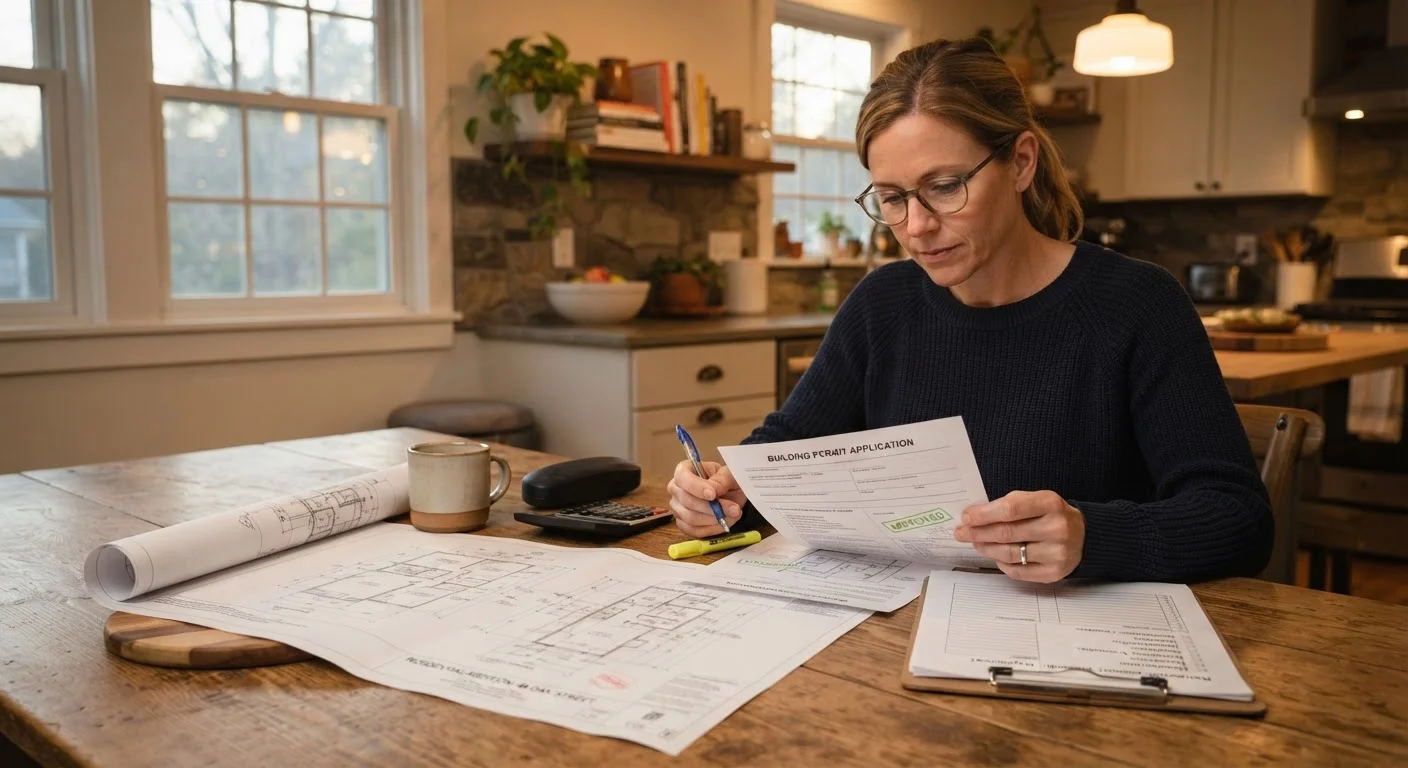
The process is more straightforward than many homeowners expect. Start by contacting your local building department - most counties and municipalities have an online portal or a phone line where you can describe your project and learn what's required. You'll typically submit an application, pay a modest fee, and in some cases provide a basic diagram of the planned work.
If you're hiring a contractor, ask upfront who will pull the permit. A qualified contractor should be able to handle permitting as part of the job scope. Our guide on questions to ask before hiring a contractor includes permit responsibility as a key topic to raise.
Once work begins, be prepared for one or more inspection visits at defined stages - for example, before new wiring is enclosed in drywall. Plan your project timeline around these checkpoints, not against them. The permit closes when the inspector approves the final work, giving you a documented record that the job was done correctly.
This article provides general educational information about building permits and is not legal or regulatory advice. Permit requirements vary by jurisdiction. Always verify the rules with your local building or planning department before starting any repair or improvement project.