

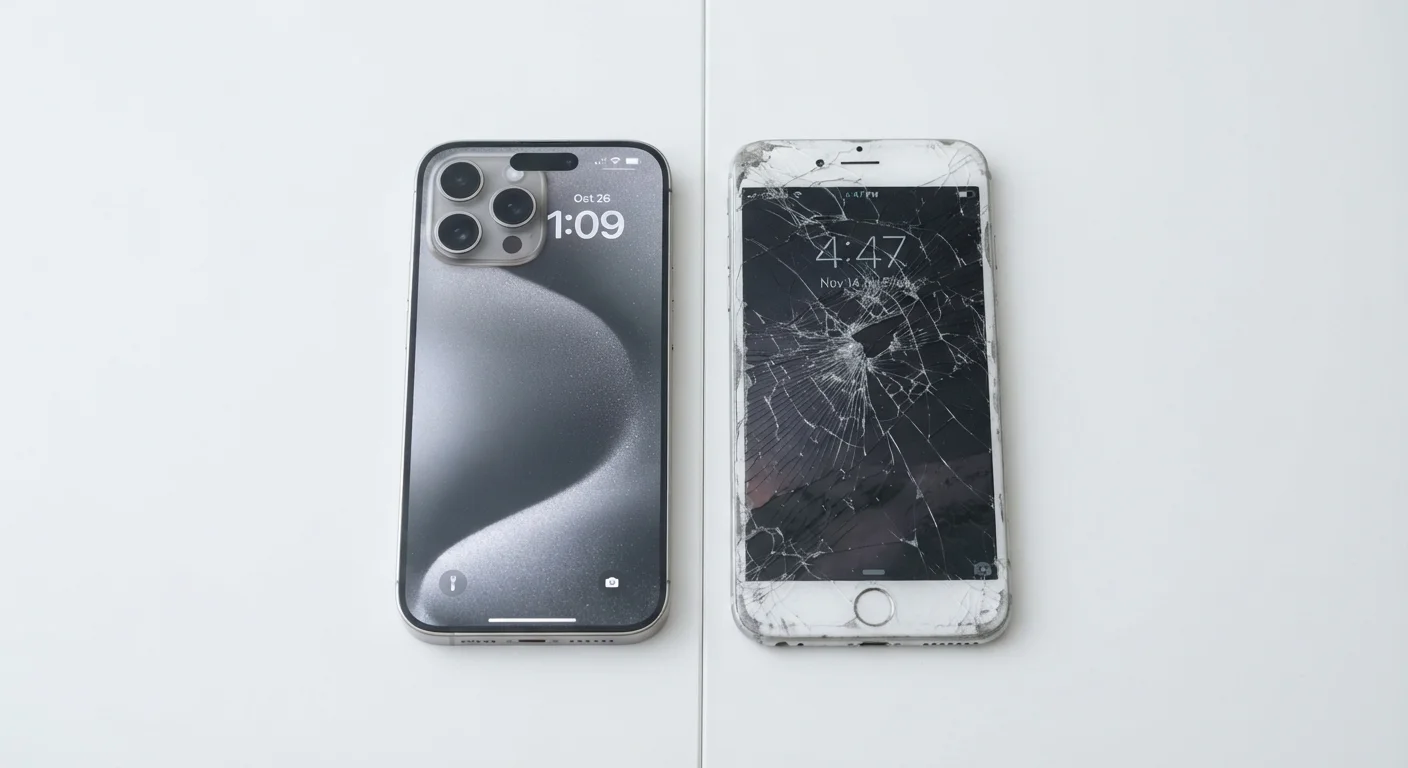
Key Takeaways
- Planned obsolescence takes multiple forms - physical wear, software cutoffs, and style cycles all qualify.
- Recognizing which type applies to a product helps you estimate its realistic useful life before buying.
- Buying near the end of a product generation often means paying full price for near-obsolete hardware.
- Repairability scores and software support windows are concrete signals worth checking before purchase.
- Your intended ownership duration should anchor when you buy, not just what you buy.
Planned Obsolescence
Planned obsolescence is a product design or business strategy in which a product is intentionally made to become outdated, less functional, or less desirable within a predictable timeframe. The goal is to encourage consumers to replace the product sooner than they otherwise might. It appears across electronics, appliances, vehicles, and fashion.
Economists distinguish between functional obsolescence (the product stops working), psychological obsolescence (consumers perceive it as outdated), and systemic obsolescence (software or ecosystem changes render the product incompatible).
The Three Main Forms of Planned Obsolescence
Not all obsolescence looks the same. Understanding the type at play in a specific product category is the first step toward smarter timing.
- Functional obsolescence: The product physically degrades or stops receiving critical updates. A laptop battery that can't be replaced, or an appliance built with proprietary parts that become unavailable, falls here.
- Systemic obsolescence: The product still works but can no longer connect to required software, services, or accessories. A smartphone cut off from OS updates - and therefore security patches - is a practical example even if the hardware is fine.
- Psychological obsolescence: Design refreshes, new colorways, or marketing campaigns make a functioning product feel outdated. Annual fashion cycles and yearly cosmetic tweaks to consumer electronics both rely on this mechanism.
Each form operates on a different timeline and carries different implications for when you'll realistically want or need to replace what you own. Total product value only makes sense when you account for which type of obsolescence will end that product's useful life for you.
Obsolescence Isn't Always Intentional
Not every product that ages out quickly is the result of deliberate design choices. Rapid technological advancement in categories like semiconductors can render hardware obsolete faster than any manufacturer planned. The practical impact on your buying timeline is the same, but the cause matters when evaluating whether a brand's track record reflects intentional limitation or simply the pace of the category.
How Obsolescence Timelines Affect Buying Decisions
The most common mistake consumers make is treating a purchase date as the only timing variable. In reality, two timing questions matter: when you buy within a product's generation, and how long you intend to own it.
Buying a device shortly before a manufacturer announces its successor means paying a full-generation price for a product that's about to lose priority support and likely drop in resale value. Understanding how product release cycles work lets you position purchases more deliberately - either early in a new generation or at a discount as a generation ages out.
Your intended ownership duration matters just as much. A three-year ownership plan for a laptop is very different from a six-year one. The former may survive on a single battery cycle; the latter probably won't. Factoring in realistic use time before you buy prevents the surprise of discovering the product's design life doesn't match your expectations.
53.6M
Metric tons of e-waste generated globally per year
According to the UN's Global E-waste Monitor, the world generates tens of millions of metric tons of electronic waste annually, a volume closely tied to product replacement cycles.
~3 years
Average US smartphone replacement cycle
Industry research consistently places the average US consumer smartphone upgrade cycle at roughly three years, though this varies by income level and product category.
Signals Worth Checking Before You Buy
Several concrete indicators can help you estimate a product's realistic useful life before committing to a purchase.
- Stated software support window
- Manufacturers often publish how many years a device will receive OS or firmware updates. A shorter window directly signals the systemic obsolescence timeline.
- Repairability and parts availability
- Independent organizations publish repairability scores for many electronics categories. Products with proprietary fasteners, sealed batteries, or unavailable parts have shorter practical lifespans.
- Historical generation length
- Most product lines follow a predictable refresh cadence. Researching how long the previous two or three generations lasted gives a reasonable estimate of when the current one will be superseded.
- Accessory and ecosystem continuity
- When a manufacturer changes connectors, wireless protocols, or platform requirements, compatible accessories from previous generations often stop working. This is a form of systemic obsolescence that compounds cost.
Pairing this research with your intended ownership horizon - similar to how time horizon shapes investment decisions - gives you a genuine framework rather than a gut feeling.
Look Up the Software Support End Date
Before finalizing a purchase decision on any connected device - phone, laptop, smart appliance - search for the manufacturer's published end-of-support date for that model or generation. This single data point gives you a concrete upper bound on its useful life. If that date is sooner than your intended ownership horizon, that mismatch is worth weighing before you buy.
Applying This to Smarter Purchase Timing
The goal isn't to avoid buying - it's to buy with clear expectations about the realistic useful life of what you're purchasing. A few practical habits shift the calculus:
- Define your ownership horizon first. Decide how long you realistically expect to use the product before shopping, not after. That number filters out options whose support windows don't match.
- Treat the purchase window as a variable. Transition periods between product generations can represent a better value position than buying at peak demand for outgoing hardware.
- Factor repairability into total cost. A product that can be serviced and have components replaced at reasonable cost may outlast a cheaper item with a sealed, non-serviceable design.
Planned obsolescence is a business reality, not a conspiracy. Manufacturers build revenue models around replacement cycles. Consumers who understand this aren't cynical - they're simply working with accurate information rather than against it.
This article is for general informational and educational purposes only and does not constitute purchasing, financial, or legal advice. Readers should evaluate their own needs and consult relevant professionals as appropriate.