

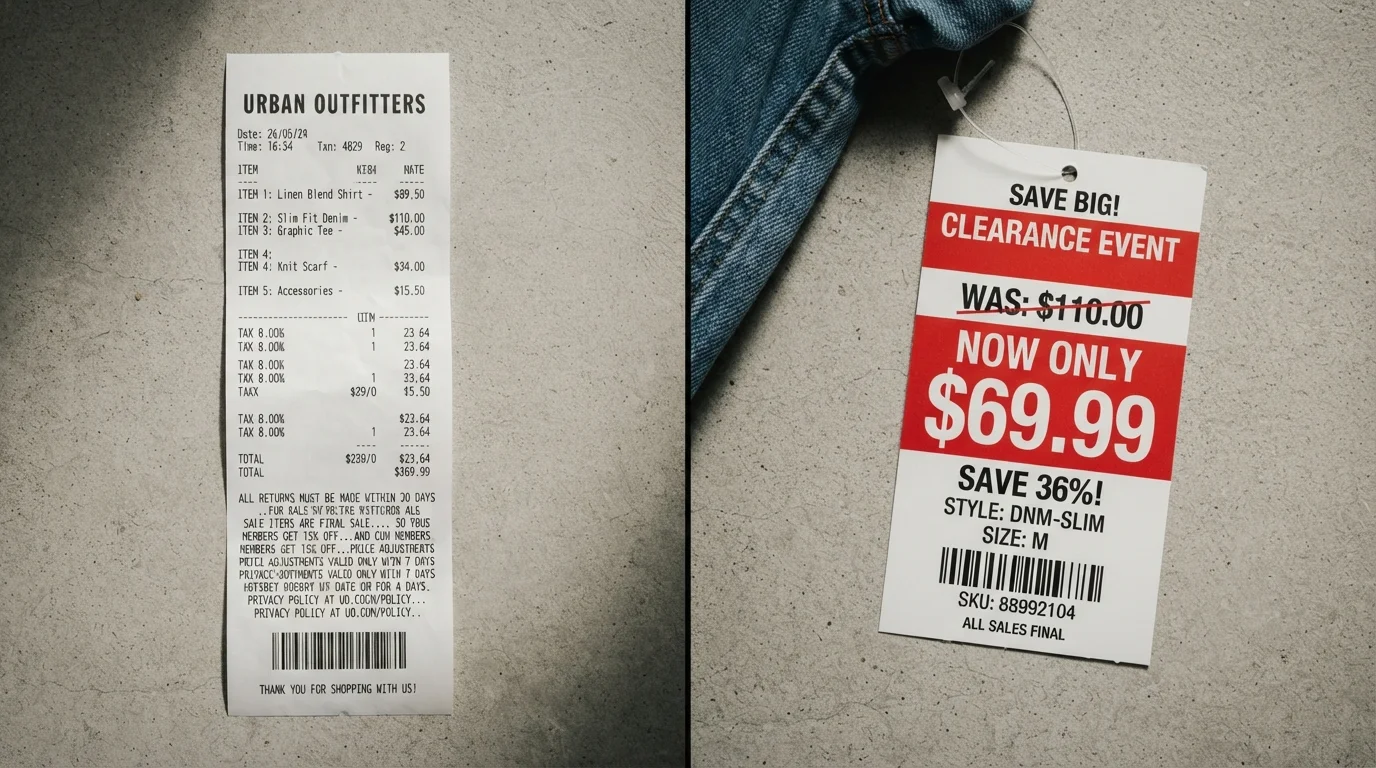
Key Takeaways
- A deal's true value includes return flexibility, not just the sticker discount.
- Sale and clearance items often carry stricter return terms than full-price purchases.
- Restocking fees and return shipping costs can erase a significant portion of the original discount.
- Seasonal sales cycles can pressure shoppers into quick decisions before they've read the fine print.
- Knowing a policy's window and conditions before buying prevents costly surprises after.
Return Policy as Deal Factor
A return policy is the set of rules a retailer applies when a customer wants to bring back a purchased item. When evaluating a deal, the return policy is part of the actual cost - a restrictive policy transfers financial risk to the buyer if the item doesn't work out. This makes two seemingly similar prices functionally different depending on the flexibility each seller offers.
Retailers may apply different return windows, restocking fees (typically 10-25% of the purchase price), and condition requirements to sale or clearance items specifically - terms that don't apply to full-price purchases.
The Hidden Cost Built Into Every Purchase
Every purchase carries an implicit risk: what happens if the item isn't right? When that risk is manageable - a full refund within 30 or 60 days - it barely registers. When that risk is substantial - a 15% restocking fee, a 7-day return window, or an outright final-sale designation - it becomes a real financial variable that changes what a price is actually worth.
Most shoppers evaluate deals by comparing the discounted price to the original. That's a reasonable starting point, but it omits one of the most important inputs: the cost of being wrong. A $180 item marked down from $250 looks like a solid deal until a return shipping fee and restocking charge consume $45 of that savings. At that point, the effective discount is closer to 10%, not 28%.
Understanding return policies as deal components - not just administrative fine print - is one of the more practical shifts a shopper can make. It's explored in depth as part of the variables that actually determine deal value.
10-25%
Typical restocking fee range on returned items
Restocking fees in this range are common across electronics, appliances, and specialty retail categories, effectively reducing the value of any upfront discount.
~$890B
Estimated US retail returns annually
According to the National Retail Federation, merchandise returns represent a significant cost that retailers increasingly offset through stricter return terms.
How Sale Conditions Change the Return Rules
Retailers don't apply a single return policy to every transaction. The terms that apply to a full-price purchase often don't carry over to clearance items, doorbusters, or promotional markdowns. This is a deliberate business decision - retailers use aggressive pricing to move inventory, and accepting returns on those items disrupts that goal.
Common ways return terms tighten on discounted purchases:
- Shortened windows: A standard 30-day window may shrink to 14 days or fewer for sale merchandise.
- Exchange-only terms: You can swap the item but can't get your money back.
- Final sale designation: No return, no exchange, no exceptions - even for defects outside of manufacturer warranty coverage.
- Condition requirements: Items must be returned unused, in original packaging, which can be difficult to meet after testing a product.
Decoding a return policy's specific language before checkout is the most direct way to avoid discovering these conditions after the purchase.
Screenshot the Policy Before You Buy
Return policies can change, and the version that applied at the time of purchase may be what governs your return - but proving what you saw requires having a record. A quick screenshot of the return policy page at checkout takes seconds and removes ambiguity if a dispute arises later.
Seasonal Timing and the Pressure to Decide Fast
Seasonal retail cycles - back-to-school, holiday, end-of-season clearance - are designed to create urgency. Limited-time pricing encourages decisions before shoppers have fully evaluated what they're committing to. Return policies are rarely the focus of promotional messaging, which means they're easy to overlook when a deal appears time-sensitive.
This matters more during high-volume sale events because retailers often modify return windows specifically for those periods. A purchase made during a major promotional window may have a return deadline that falls well before you've had adequate time to evaluate the product in real use conditions.
Clearance pricing and sale pricing signal different things, and so do their associated return terms. A clearance item is typically end-of-life inventory - the retailer isn't restocking it, which makes return flexibility even less likely to be offered.
What to Check Before Price Becomes the Only Variable
A straightforward pre-purchase review of return terms doesn't require much time, but it changes the information you're using to evaluate the deal. Key questions worth answering before committing:
- What is the return window for this specific item? Check whether sale or clearance status changes it.
- Who pays return shipping? On lower-cost items, return shipping alone can make a return economically pointless.
- Is a restocking fee applied? If so, calculate the effective discount after that fee is factored in.
- Is the refund cash, store credit, or exchange only? Store credit locks your money into a single retailer.
- What condition must the item be in? Some policies require original packaging intact - difficult to preserve if you're testing a product.
Comparing return terms across sellers is a parallel exercise to understanding price matching limitations - both clarify what a price actually includes. And if a return does become necessary, returns can sometimes cost more than keeping an item, making upfront evaluation worth the few extra minutes.
Manufacturer Warranty Is Not a Substitute for a Return Policy
A manufacturer warranty covers defects in materials or workmanship - it doesn't allow you to return an item because it doesn't fit your needs or preferences. These are separate protections that apply in different situations. On final-sale or heavily restricted items, a warranty may be the only recourse available, and its coverage scope is typically narrow.