

Key Takeaways
- Sports agents handle contract negotiations, endorsement deals, and day-to-day career logistics for professional athletes.
- Agents are typically regulated by players' associations and may only charge fees within league-set limits.
- A good agent-athlete relationship is built on trust, communication, and aligned long-term goals.
- Agents often work alongside lawyers, financial advisors, and publicists to form a full advisory team.
- The agent's role begins before the pros - some athletes sign representation during their college years.
Sports Agent
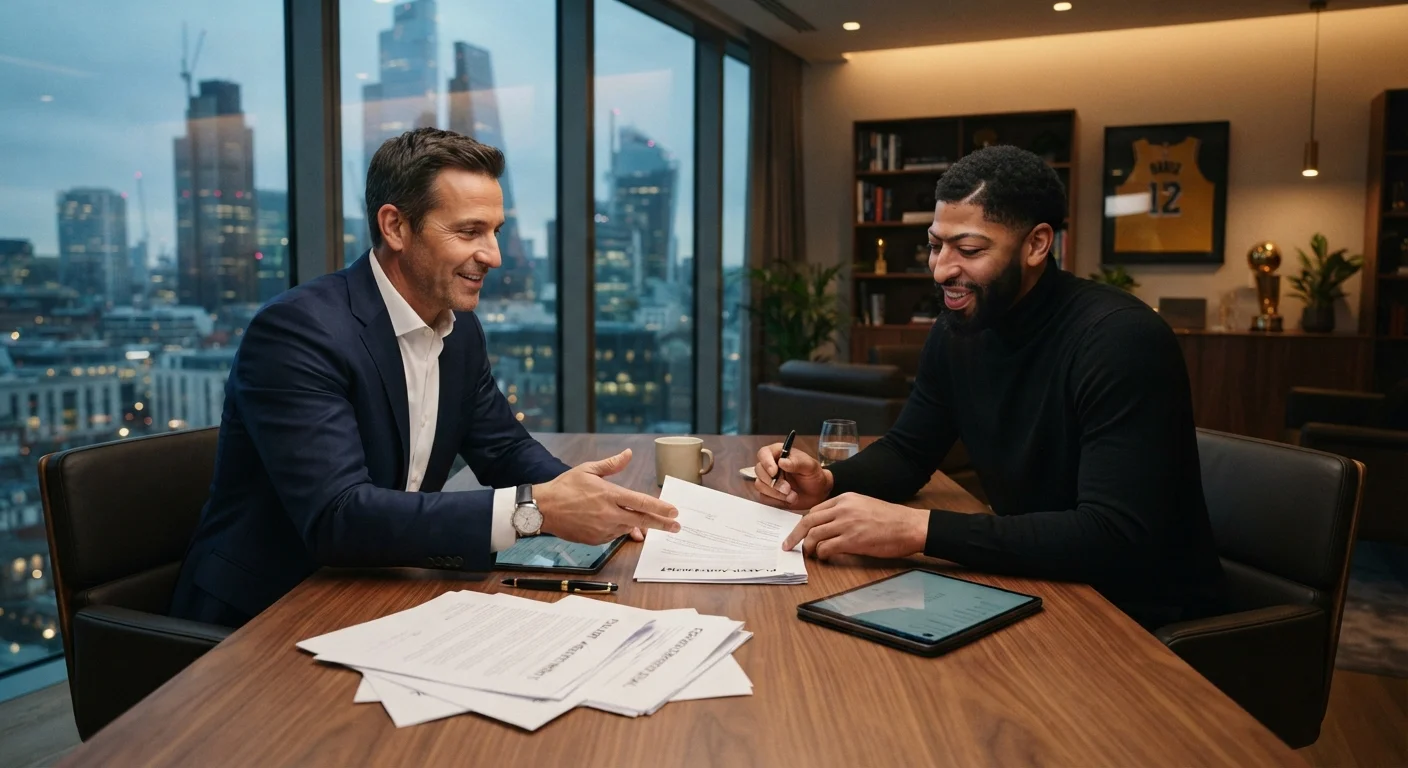
A sports agent is a licensed professional who represents athletes in contract negotiations, business dealings, and career planning. Agents act as the primary go-between for players and teams, endorsement partners, and media organizations. Their job is to protect the athlete's interests and help maximize both earnings and longevity in the sport.
In most major US leagues, agents must be certified by the players' association (e.g., the NFLPA or NBPA) and are subject to conduct rules, fee caps, and conflict-of-interest restrictions.
More Than a Deal-Maker
The image of a sports agent shouting "show me the money" is entertaining, but it barely scratches the surface of what the job actually involves. A professional agent is part negotiator, part career strategist, part relationship manager - and for many athletes, one of the most consequential figures in their professional life.
At the most fundamental level, an agent represents the athlete's interests in every business conversation - from initial contract talks with a team's front office to endorsement pitches with consumer brands. But the day-to-day reality is far more layered. Agents field calls from teams, coordinate with marketing partners, manage scheduling conflicts, and serve as a buffer between the athlete and the noise of professional sports. For an athlete focused on performing at an elite level, that support structure is invaluable.
To understand how athletes actually move between teams and what leverage agents work with, it helps to read about how the draft, free agency, and trades work.
“The best agents don't just get you money - they help you understand the business of your own career so you can make informed decisions for the long haul.”
— Andrew Brandt, Former NFL executive and sports business analyst
Negotiating Contracts: The Core Responsibility
Contract negotiation is where agents earn their reputation. When a player is up for a new deal - whether entering the league, hitting free agency, or seeking an extension - the agent leads the charge. That means researching comparable contracts across the league, identifying leverage points, and making the case for the athlete's market value.
This is not a simple process. Professional sports contracts involve guaranteed money, performance bonuses, roster bonuses, no-trade clauses, and a web of incentives that can dramatically change what a deal is actually worth. Agents need a sophisticated understanding of salary cap mechanics, league collective bargaining agreements, and team-specific financial situations.
For a closer look at what those contract structures actually include, understanding guaranteed money, bonuses, and incentives is a useful primer.
3%-4%
Typical agent fee cap on NFL contracts
The NFLPA limits agent compensation to 3% on player contracts, with some flexibility; other leagues set their own caps through collective bargaining.
800+
NFLPA-certified agents currently registered
According to publicly available NFLPA data, hundreds of agents compete to represent a finite pool of active NFL roster spots.
Beyond the Field: Endorsements, Brand, and Media
For high-profile athletes, income from playing contracts can be matched - or exceeded - by endorsement deals. Agents play a central role here, identifying brand partnerships that align with the athlete's public image and negotiating deal terms that protect their client's interests.
Managing an athlete's public brand requires coordination with publicists, social media teams, and sometimes dedicated marketing agencies. Agents help orchestrate that ecosystem. They advise athletes on which media opportunities to accept, how to position themselves publicly, and when to stay quiet. That kind of strategic communication guidance has become increasingly critical as athletes navigate a complex media environment - something explored further in our piece on how athletes manage their media landscape.
Athletes: Build Your Advisory Team Early
The most financially secure athletes tend to assemble a team - agent, financial advisor, tax professional - before significant money arrives, not after. Involving a fiduciary financial advisor alongside your agent from the start helps ensure contract wins translate into long-term stability.
Regulation, Ethics, and the Agent-Athlete Relationship
Sports agents aren't operating in a free-for-all. In major US leagues, agents must be certified by the relevant players' association - the NFLPA, NBPA, MLBPA, or others - and are bound by codes of conduct that govern fee limits, conflict-of-interest rules, and client solicitation practices. Violations can result in suspension or decertification.
The athlete-agent relationship itself is formalized through a representation agreement, which outlines the scope of services, compensation structure, and termination terms. Trust is the foundation of any successful partnership. Athletes who communicate openly with their agents about career priorities - playing time, market, lifestyle preferences - tend to get better outcomes than those who remain passive.
It's also worth noting that agents often work within a broader advisory team. Financial advisors, tax professionals, attorneys, and trainers each serve distinct roles. The agent's job is frequently to coordinate that team and ensure everyone is working toward the same long-term goals. As athletes approach free agency, that coordination becomes especially critical.