

Key Takeaways
- Step counting is among the most reliable metrics fitness trackers produce, though surface and gait affect accuracy.
- Heart rate readings are reasonable for steady-state activity but less reliable during intense or irregular movements.
- Calorie burn estimates can be off by 20-30% or more and should be treated as rough guides, not precise figures.
- Sleep stage data is an educated estimate based on movement and heart rate, not a clinical sleep study.
- Trackers are best used for spotting trends over time, not obsessing over any single data point.
- Personal health decisions should always involve a qualified healthcare professional, not tracker data alone.
Fitness Tracker
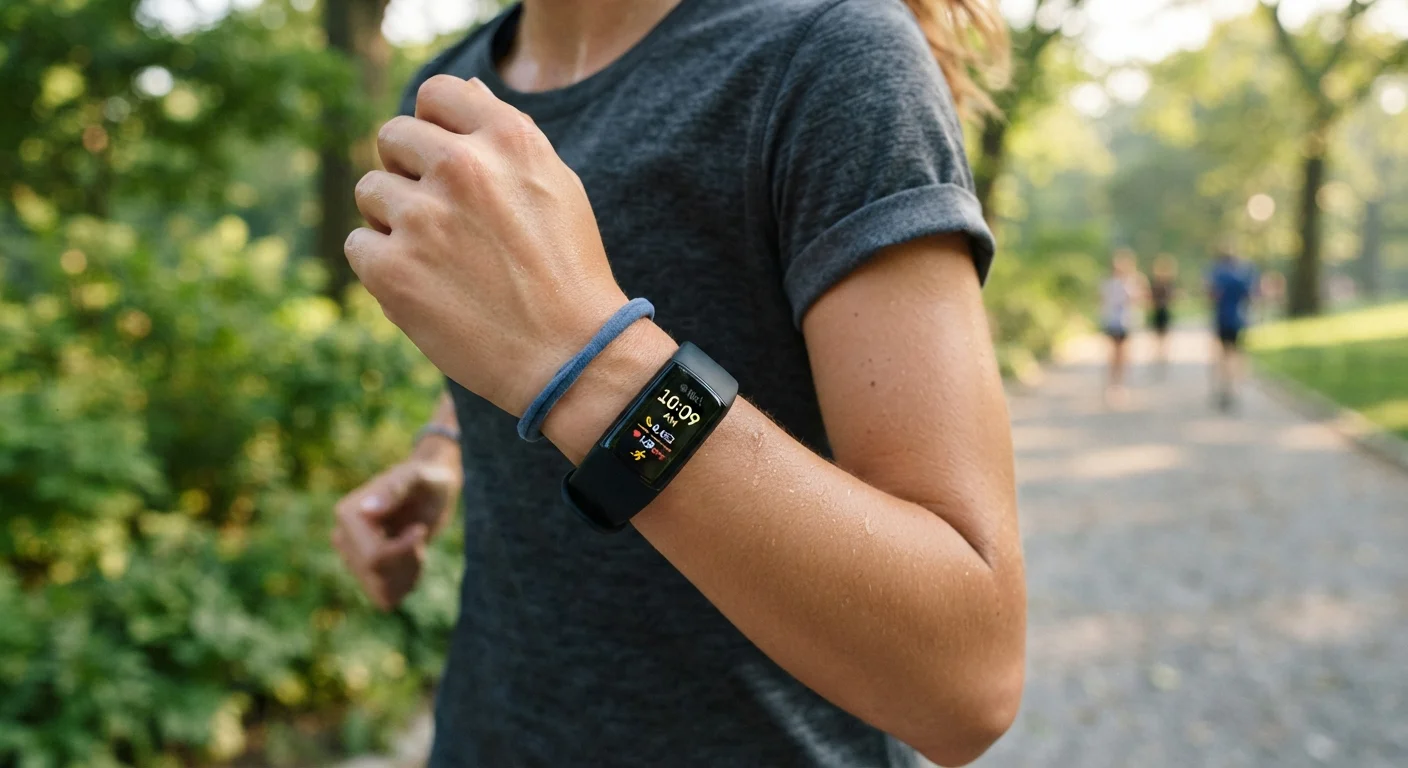
A fitness tracker is a wearable device - typically a wristband or smartwatch - that uses built-in sensors to collect data about your physical activity, heart rate, and sleep. The device converts raw sensor readings into everyday metrics like steps taken, calories burned, and hours slept. These numbers are estimates based on algorithms, not clinical measurements.
Most consumer trackers use photoplethysmography (PPG) - a light-based sensor pressed against the skin - to estimate heart rate and blood oxygen saturation (SpO2), rather than the electrode-based methods used in medical-grade devices.
What Sensors Are Actually Inside Your Tracker
Every fitness tracker is built around a small suite of sensors, each designed to capture one piece of the physical puzzle. Understanding what those sensors do - and don't do - is the first step toward using your device intelligently.
The accelerometer is the workhorse. It detects motion and orientation, which is how your device counts steps and recognizes whether you're walking, running, or sitting still. The optical heart rate sensor (PPG) shines light into your skin and measures how blood flow changes with each heartbeat. Many newer devices also include a SpO2 sensor to estimate blood oxygen saturation using a similar light-based method.
Some trackers add a skin temperature sensor, a GPS chip for outdoor route mapping, and an altimeter to detect elevation changes - useful for stair counts and hiking data. What none of these sensors do is directly measure calorie burn, sleep stages, or stress. Those figures are calculated using algorithms that combine raw sensor data with user-entered details like age, weight, and height.
Algorithms Vary by Device and Brand
Two trackers worn simultaneously can produce different outputs from the same sensor data because each manufacturer uses its own proprietary algorithm to interpret raw readings. This means comparisons between different devices - or between a tracker and a friend's device - may not be apples-to-apples. Consistency within a single device over time is more meaningful than cross-device comparisons.
Where Trackers Perform Well - and Where They Struggle
Step counting earns fitness trackers their highest accuracy marks. In controlled research environments, modern devices have performed with strong reliability, though real-world accuracy dips when you're pushing a shopping cart, cycling, or wearing the device loosely.
Heart rate monitoring is solid during steady, moderate exercise - think a brisk walk or a comfortable jog. It becomes less dependable during high-intensity interval training, weightlifting, or any activity involving rapid wrist movement. The optical sensor simply can't keep up with abrupt cardiovascular shifts as well as a chest-strap monitor can.
Calorie estimates are where trackers face the most scrutiny. A widely cited body of research has found consumer devices can deviate from true energy expenditure by anywhere from 15% to more than 40%. That's a meaningful gap if you're trying to manage nutrition carefully. For more on how manual workout logs can complement - and reality-check - your device data, see our guide to workout tracking.
~40%
Maximum calorie estimate error in some studies
Research published in the Journal of Personalized Medicine found consumer fitness trackers deviated from measured energy expenditure by up to 43% depending on device and activity type.
15-30%
Typical heart rate error range during intense exercise
Optical wrist-based heart rate monitors show increased inaccuracy during high-intensity or strength-training activities compared to chest-strap reference devices, according to multiple independent evaluations.
>95%
Step count accuracy in controlled lab conditions
Multiple validation studies have found modern accelerometer-based step counting to be highly accurate in controlled walking tests, though real-world accuracy varies with activity type and device fit.
Sleep Tracking: Useful Patterns, Not Clinical Diagnoses
Sleep tracking has become one of the most marketed features on wearables, and it's also one of the most misunderstood. Trackers estimate sleep stages - light, deep, and REM - by analyzing movement patterns and heart rate variability throughout the night. This is a proxy approach, not the gold-standard polysomnography (sleep study) used in clinical settings, which monitors brain waves, eye movements, and muscle activity.
That said, consumer sleep tracking isn't without value. Consistent patterns in your data - like a persistently elevated resting heart rate overnight, or a pattern of early waking - can serve as a prompt to pay closer attention to your sleep habits or speak with a healthcare professional. The data is a conversation starter, not a diagnosis.
If you're curious about what wearable devices are doing with all this collected data, our explainer on wearable health data storage covers what gets logged and who can access it.
Focus on Weekly Averages, Not Daily Scores
Instead of reacting to a single night's sleep score or a low step count on a rest day, review your weekly averages. A 7-day rolling view of resting heart rate, active minutes, or sleep duration smooths out the noise and reveals genuine trends. Most tracker apps offer weekly summary views - make that your default check-in rather than the daily dashboard.
Using Your Tracker as a Trend Tool, Not a Verdict
The most empowering mindset shift for any fitness tracker user is this: your device is a trend detector, not a referee. A single day's step count, calorie figure, or sleep score carries limited meaning. What matters is the direction of change over weeks and months.
Is your resting heart rate gradually declining as your fitness improves? Are your active minutes increasing week over week? Are you consistently getting less sleep on high-stress workdays? Those patterns are genuinely informative and actionable in ways that a single day's numbers never can be.
For a broader look at how wearable technology is developing in the health monitoring space - and what sensors may become more reliable over time - wearable tech's evolving role in health monitoring offers helpful context.
This article is for general informational and educational purposes only. It is not medical advice. Always consult a qualified healthcare professional before making decisions about your health, fitness routine, or any medical concern.