
Key Takeaways
- Home field advantage is statistically real, but its size varies significantly by sport and era.
- Crowd noise, travel fatigue, and familiar playing surfaces all contribute differently across leagues.
- The advantage has measurably declined in several major sports over recent decades.
- Referee decisions show subtle bias toward home teams in peer-reviewed research, independent of fan intensity.
- Playoff and high-stakes games don't always amplify the home advantage as fans commonly assume.
The Real Numbers Behind Playing at Home
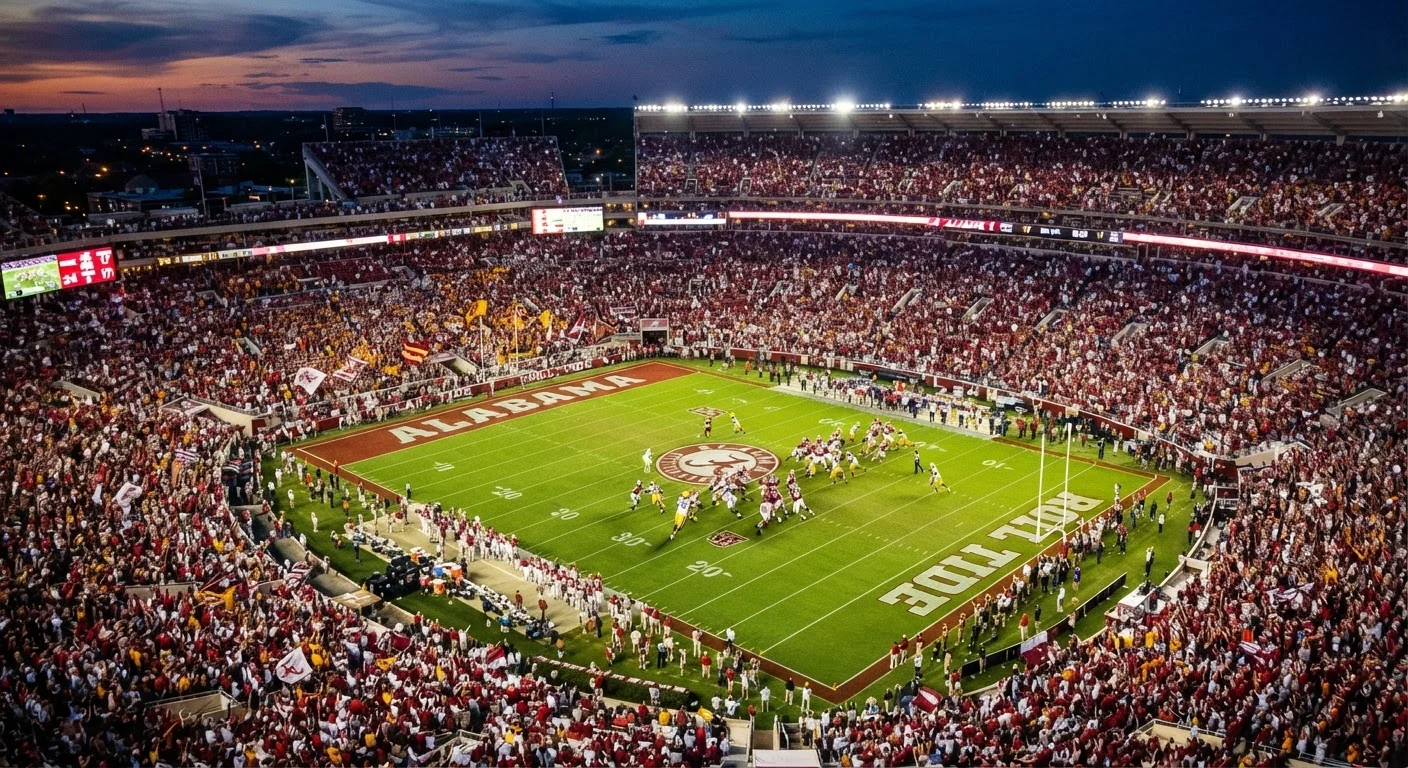
Ask any fan and they'll tell you: playing at home matters. But exactly how much it matters depends heavily on which sport you're watching. Academic researchers have studied home field advantage (HFA) for decades, and the data consistently shows that home teams win more often - just not equally across every league.
In Major League Baseball, home teams have historically won around 54% of regular-season games. The NFL sits similarly, hovering near 57% in most multi-decade analyses. The NBA tends to show the strongest advantage among major North American leagues, with home teams winning roughly 60% of regular-season contests. Soccer leagues worldwide often track even higher, with some European top-flight leagues historically reporting HFA rates above 60%.
The critical takeaway: HFA exists everywhere, but the magnitude is sport-specific and context-dependent. Understanding why requires separating fact from the many myths that have grown up around it. For a broader look at how venues and fan culture shape these dynamics, see our piece on what makes a great sports city.
~60%
NBA home-team regular-season win rate
Historically consistent across multiple decade-long analyses of NBA regular-season records.
~54%
MLB home-team win rate
MLB home teams have won roughly 54% of games across modern regular seasons, one of the lower HFA rates among major pro sports.
Near 50%
HFA win rate in empty-stadium play
Multiple studies of pandemic-era games with no fans found home-team win rates dropped significantly closer to chance levels in soccer and basketball.
Myths vs. Facts: Unpacking What Really Drives Home Advantage
Home field advantage gets explained in a dozen different ways - some accurate, some wildly overstated. Here's what the evidence actually supports.
Myth
Crowd noise is the single biggest factor in home field advantage.
Fact
Crowd noise matters, but travel fatigue, familiarity with the playing surface, and subtle referee bias each contribute independently.
Research suggests crowd noise is one input among several. Studies comparing games in empty stadiums (such as during pandemic-affected seasons) found HFA shrank but didn't disappear entirely, meaning other structural factors - sleep disruption from travel, time-zone shifts, and comfort with one's own training environment - remain independently meaningful.
Myth
Home field advantage is equally powerful in every sport.
Fact
HFA varies considerably: the NBA and international soccer tend to show stronger effects than MLB or the NFL.
The sport's structure matters. Basketball's continuous flow, high-scoring pace, and susceptibility to crowd-influenced officiating calls appear to amplify HFA compared to baseball, where the game's stop-start rhythm and individual matchup structure reduce crowd influence on moment-to-moment decisions.
Myth
Referees and officials are unaffected by home crowds.
Fact
Multiple peer-reviewed studies have found small but consistent biases in officiating that favor home teams, even when controlling for actual performance differences.
Research published in sports economics and psychology journals has identified patterns such as home teams receiving marginally fewer fouls called against them in basketball and soccer. The effect is not dramatic, but it is statistically consistent across large samples - and it is amplified in louder, more intimate venues where officials are more socially exposed to crowd reaction.
Myth
Home advantage is always stronger in the playoffs when stakes are highest.
Fact
Playoff data does not reliably show a stronger home advantage than regular-season data across most major leagues.
The assumption makes intuitive sense - bigger crowd, higher stakes - but postseason analysis across the NBA, NFL, and NHL suggests HFA during playoffs is comparable to, and sometimes slightly lower than, regular-season rates. One explanation: playoff teams are better and more evenly matched, partially neutralizing the structural edge the home environment provides.
Myth
Home teams always have a built-in psychological edge that visiting players can't overcome.
Fact
Elite athletes are trained to manage hostile environments, and some research suggests visiting players occasionally perform better under pressure as a focusing mechanism.
While general HFA trends favor home teams, individual game and player performance data shows significant variance. Some athletes and teams have historically posted better road records than home records in given seasons. The idea of a universal, inescapable psychological burden on visitors is overstated - as our related piece on myths about professional athletes explores in a broader context.
Why the Advantage Is Shrinking - and What That Tells Us
One of the clearest trends in sports analytics is that HFA has declined measurably in several major leagues since the 1990s. The NFL, in particular, has seen documented erosion of its home-team winning percentage over the past two decades. Researchers point to several plausible factors: improved travel logistics reducing fatigue penalties, schedule leveling, and better scouting reducing the surprise of unfamiliar environments.
The COVID-19 era provided a natural experiment that no sports scientist could have engineered. When stadiums went silent in 2020, multiple studies found home-team winning percentages dropped closer to 50% in soccer leagues, the NBA bubble, and MLB's shortened season - strongly suggesting crowd noise and crowd-generated pressure on referees are genuine, quantifiable contributors.
Don't Overweight HFA in Playoff Predictions
Home field advantage is a real statistical factor, but it is a marginal one - not a decisive one. Analysts caution against over-indexing on home-court or home-field status when assessing playoff series, particularly when talent gaps between teams are significant. Treating HFA as a near-guarantee is one of the most common errors in sports forecasting.
Stadium design and surface type also play a real but often overlooked role. Turf versus grass, altitude, foul-territory dimensions - these physical factors can advantage teams who train and play in those conditions year-round. Our overview of stadium features shaping modern sports digs deeper into how venue infrastructure affects outcomes.
For those interested in how other assumed performance patterns hold up under scrutiny, our look at contract years and performance pressure applies a similar evidence-based lens to athlete motivation.