Key Takeaways
- Retractable roofs allow venues to host games in controlled conditions regardless of weather, expanding scheduling flexibility.
- Artificial turf has evolved significantly since the 1960s but remains controversial due to injury rate debates among players and researchers.
- Natural grass requires intensive maintenance, making it impractical in climates with extreme heat, cold, or limited sunlight.
- Stadium design increasingly incorporates athlete safety data and fan experience metrics into planning decisions.
- Modern venues are multifunctional, designed to host concerts, football, soccer, and other events on the same footprint.
Stadium Infrastructure
Stadium infrastructure refers to the physical systems and design features built into sports venues - including playing surfaces, roofing, lighting, and drainage - that directly shape how games are played and experienced. These elements go far beyond aesthetics; they affect player safety, game scheduling, and even the competitive dynamics of a sport. As leagues and team ownership groups invest billions into new and renovated facilities, the infrastructure choices they make carry real consequences on the field.
Playing surface type (natural grass vs. synthetic turf) and roof configuration (open-air, fixed dome, or retractable) are two of the most debated infrastructure variables across the NFL, MLB, MLS, and other major leagues.
From Astrodome to SoFi: How Stadium Design Has Evolved
When the Houston Astrodome opened in 1965 as the world's first fully enclosed, air-conditioned stadium, it was heralded as the "Eighth Wonder of the World." It also inadvertently launched one of sports' most enduring debates: when natural grass died under its roof, groundskeepers replaced it with a synthetic surface that would eventually be known as AstroTurf. Decades later, that single design problem still echoes across every league's collective bargaining table.
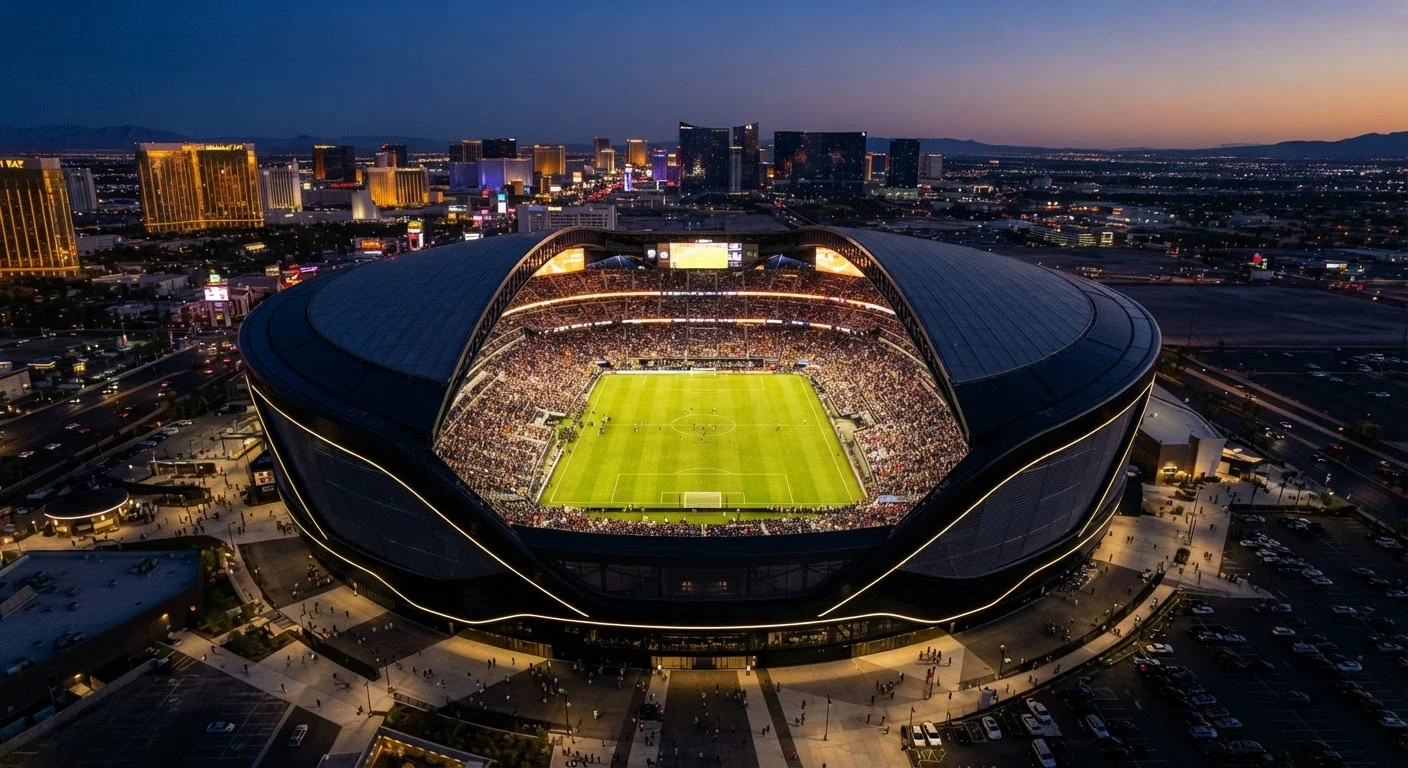
Today's stadium landscape looks radically different. Venues like SoFi Stadium in Inglewood, California, and Allegiant Stadium in Las Vegas represent a new generation of design philosophy - structures that blend retractable or translucent roofs, hybrid playing surfaces, and immersive fan environments. These aren't just architectural showcases; they're competitive infrastructure. The surfaces athletes play on, and the conditions they play in, shape performance and safety in measurable ways.
Home field advantage research suggests that familiar conditions - including surface type - can contribute to competitive edges, making infrastructure choices more than just logistical decisions.
The Retractable Roof Debate: Control vs. Tradition
Retractable roofs sit at the intersection of fan comfort, scheduling logistics, and competitive fairness. Stadiums like T-Mobile Park in Seattle, Minute Maid Park in Houston, and the recently constructed Globe Life Field in Arlington, Texas, can seal out rain and regulate temperature on demand. For leagues like the NFL, where January playoff games once meant players battling frostbite in Green Bay or Buffalo, the appeal of climate-controlled venues is obvious.
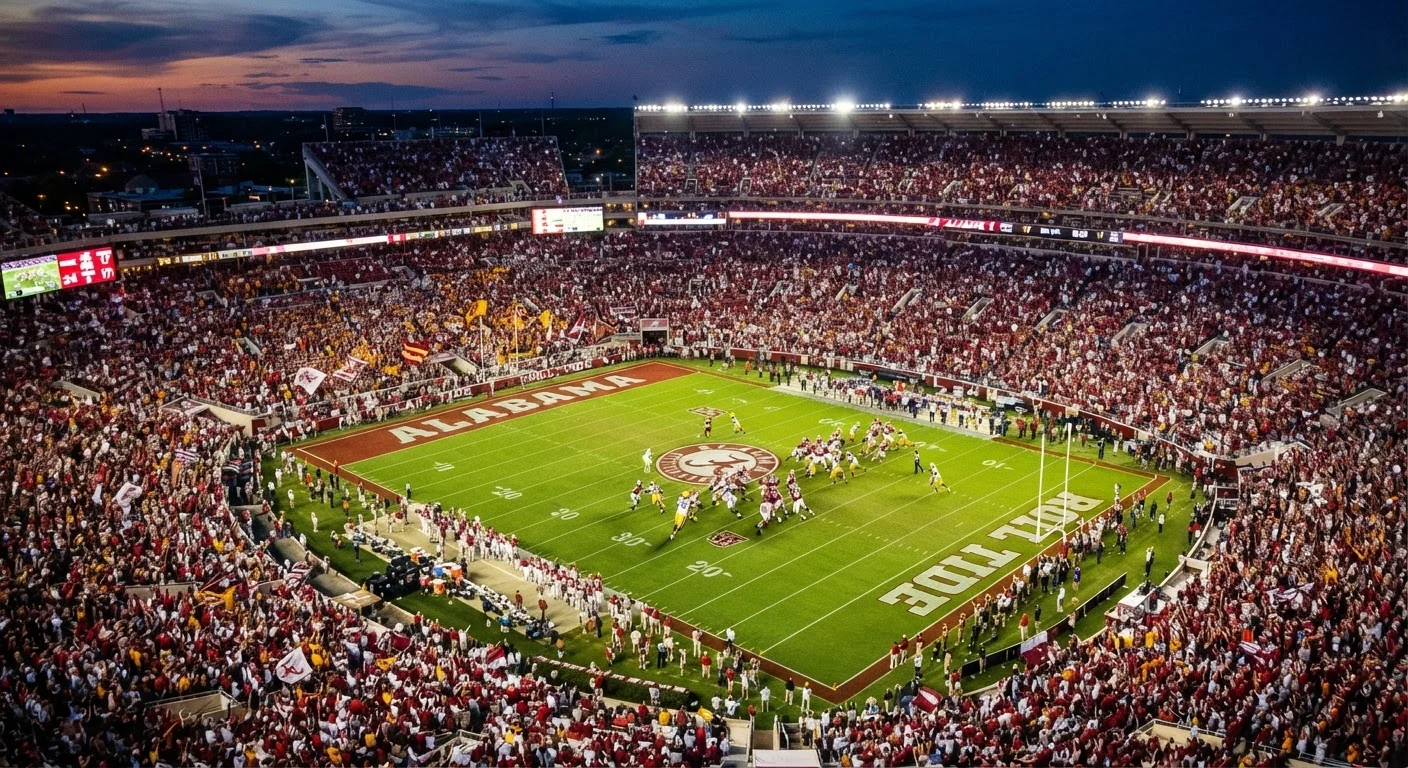
But traditionalists push back. Open-air football and baseball carry a cultural weight - the idea that weather is part of the game, a variable that tests preparation and resilience. The wind at Soldier Field, the cold at Lambeau, the afternoon shadows at Wrigley: these aren't bugs, fans argue, they're features.
17
NFL stadiums with artificial turf
As of the 2023 NFL season, roughly half the league's teams play home games on synthetic surfaces, per league facility data.
$5.7B
Cost of SoFi Stadium construction
SoFi Stadium in Inglewood, California, is widely reported as the most expensive stadium ever built, per public project disclosures.
9
MLB stadiums with retractable or fixed roofs
Multiple MLB franchises have enclosed or semi-enclosed venues designed to manage regional weather conditions throughout the 162-game schedule.
From a pure operations standpoint, retractable roofs make venues dramatically more versatile. A stadium that can seat 70,000 for football, close its roof for a concert, and re-open for a soccer match the following weekend represents a substantial return on infrastructure investment - a factor ownership groups weigh heavily when financing multi-billion-dollar facilities.
Artificial Turf and Natural Grass: The Surface Safety Conversation
Few topics generate more friction between players and league management than playing surfaces. The NFL Players Association has been particularly vocal about the injury risk associated with artificial turf, and their concerns are supported by a growing body of research. A 2020 study published in the American Journal of Sports Medicine found higher rates of non-contact lower-body injuries on synthetic surfaces compared to natural grass - a finding that has been cited repeatedly in labor negotiations.
Evaluating Surface Safety Claims
When reading about turf vs. grass injury studies, look for details on sample size, surface generation (older vs. newer turf), and whether the research controls for weather, player position, or shoe type. Surface science is evolving, and not all studies measure the same variables. Peer-reviewed sports medicine journals are the most reliable sources for this data.
Modern synthetic turfs are vastly improved over the carpet-like AstroTurf of the 1970s. Today's systems use rubber or cork infill, multi-layered shock pads, and engineered fiber designs intended to mimic natural grass. Yet players consistently report that turf "plays harder" - offering less give on cuts and falls.
Natural grass, meanwhile, comes with its own challenges. In climates with intense heat or limited sunlight - think indoor stadiums or stadiums in desert regions - maintaining a healthy grass surface requires sophisticated irrigation, lighting systems, and frequent re-sodding. Some facilities now use hybrid systems that weave synthetic fibers into a natural grass base, attempting to capture the durability of turf with the feel and safety profile of grass. These hybrid surfaces have become increasingly common in European soccer and are gaining traction in North American venues.
Front offices that rely on analytics-driven roster construction are beginning to factor surface type into player health modeling, viewing it as another variable in long-term athlete management.
What Modern Stadium Design Means for Athletes and Fans
The evolution of stadium infrastructure isn't happening in isolation - it reflects broader shifts in how sports organizations think about athlete performance and longevity. When a franchise invests in a state-of-the-art surface or a climate-controlled environment, it's making a statement about player welfare alongside fan experience.
For fans, modern venues offer amenities that would have seemed implausible in the concrete bowls of the 1970s: ultra-high-definition video boards, Wi-Fi throughout the bowl, retractable shade structures, and premium clubs with sightlines engineered down to the inch. These features contribute to the broader sense of sports culture in a city, creating environments that generate loyalty and community identity.
As stadium projects continue to roll out across the NFL, MLB, MLS, and the NBA, infrastructure decisions will remain a focal point of league policy, labor negotiations, and fan debate alike. The playing surface beneath an athlete's feet and the roof above their head aren't footnotes - they're part of the game itself.