Key Takeaways
- Fan culture is shaped by history, civic identity, and consistent team presence over decades.
- Market size matters, but passion often outweighs population in defining a sports city.
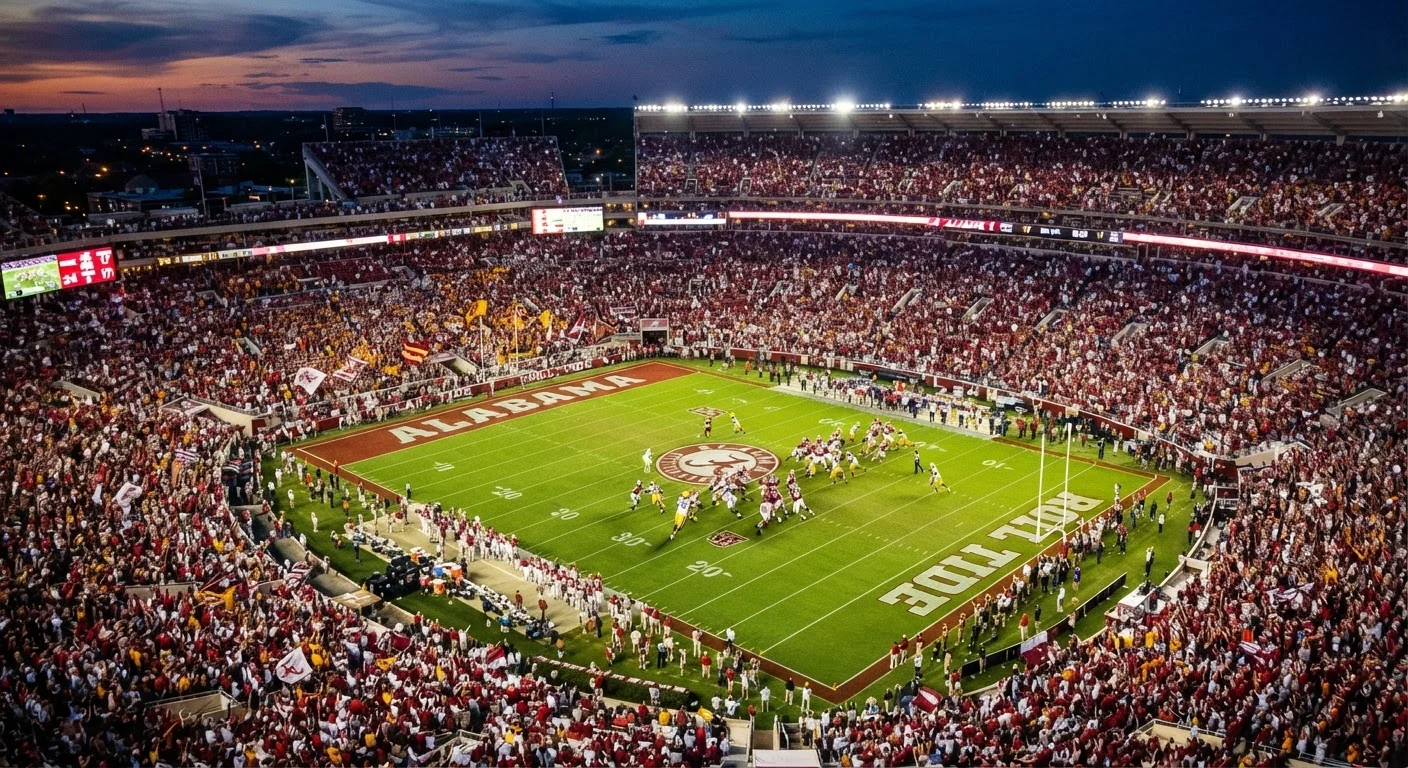
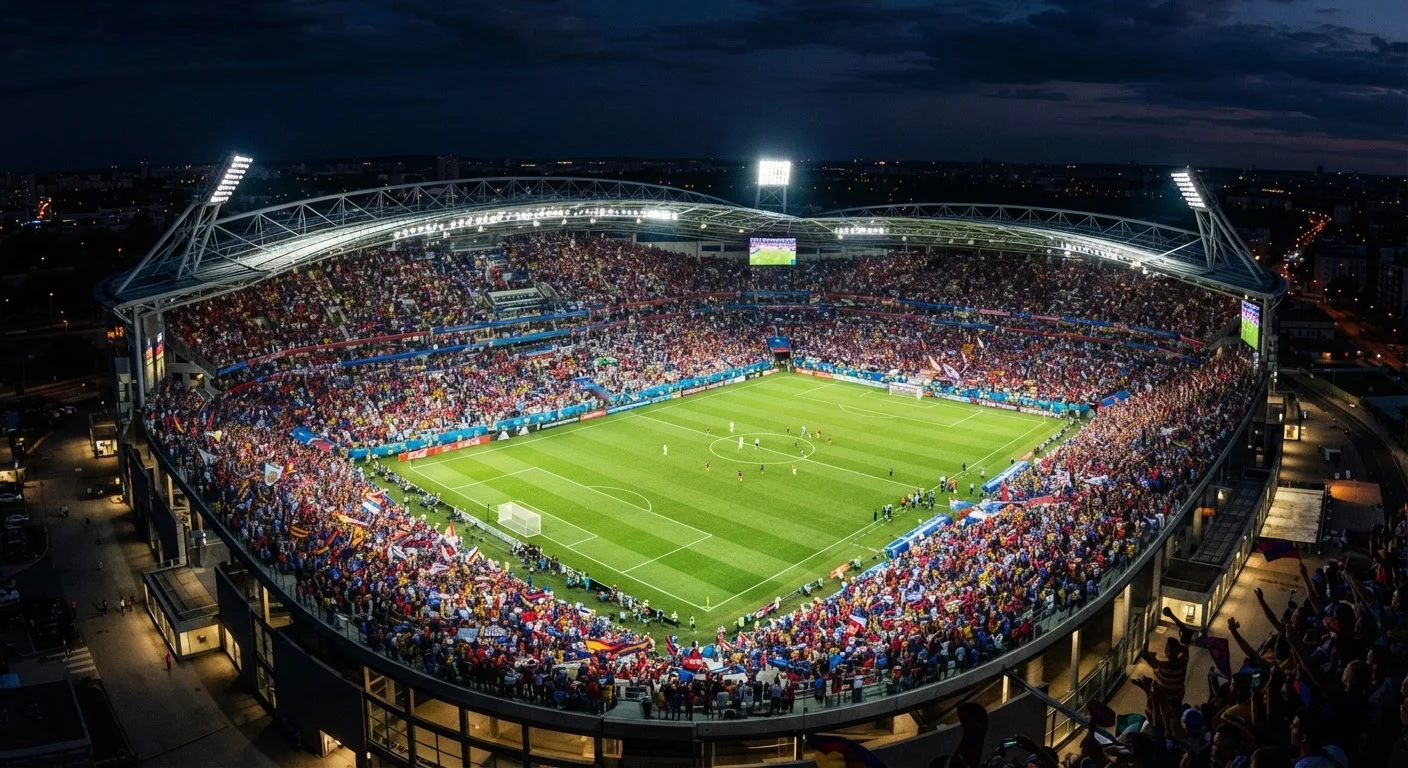
- Stadium atmosphere and home-field energy are tangible parts of what makes a city feel like a sports town.
- Rival matchups and championship runs can cement a city's reputation for generations.
- Multi-sport ecosystems - several teams across leagues - reinforce year-round fan engagement.
Sports City
A sports city is an urban area where professional or collegiate athletics are deeply woven into the local identity and daily life of its residents. These cities tend to have consistent fan engagement, multi-generational loyalty, and a cultural attachment to their teams that persists regardless of win-loss records. The term captures something beyond mere geography - it reflects a community's emotional investment in competition.
Researchers sometimes measure sports city status through metrics like per-capita attendance rates, local broadcast ratings, merchandise sales, and survey-based fan sentiment indices.
More Than Wins: The Foundations of Fan Culture
Walk into a sold-out arena in Boston, Green Bay, or Kansas City and you'll feel something that statistics struggle to capture - a city's sports soul. Great sports cities aren't simply places where good teams happen to play. They're communities where athletic competition becomes a shared language, a civic ritual, and a source of identity that spans generations.
The ingredients aren't identical everywhere. Some cities built their reputations on dynasty-level dominance, while others earned their stripes through decades of loyal suffering followed by cathartic triumph. What tends to define them all is consistency of passion - a fan base that shows up emotionally whether the team is fighting for a title or rebuilding from scratch.
Top 10
US cities by NFL attendance, consistently sold out
Multiple smaller-market NFL cities like Green Bay and Buffalo regularly rank among the league's highest attendance rates, per NFL attendance reports.
70%+
Home win-rate advantage in select arenas
Academic studies on home-field advantage have found that crowd noise and familiarity can contribute to measurably higher home win percentages in enclosed arenas.
4+
Major pro sports franchises in top sports cities
Cities like Chicago, Los Angeles, New York, and Boston each host franchises across at least four of the major North American professional sports leagues.
History, Identity, and the Role of Longevity
Few forces shape sports culture more powerfully than time. Cities whose franchises have been present for multiple generations build a compounding sense of tradition - family rituals around game days, passed-down team gear, and neighborhood bars that have screened the same rivalry matchup for 40 years. This intergenerational transfer of loyalty is difficult to manufacture and nearly impossible to replicate overnight.
Civic identity plays a closely related role. In cities where a team represents something larger than sport - a blue-collar work ethic, a regional pride, a community's resilience - the bond between fans and franchise runs unusually deep. Understanding what sustains sports dynasties often means understanding these community-level dynamics as much as front-office decisions.
Look Beyond the Championship Count
When evaluating a city's sports culture, resist the urge to judge solely by trophy count. Attendance consistency, fan sentiment surveys, and local broadcast ratings often tell a richer story about genuine community investment. A team that draws sellout crowds during a rebuilding year is revealing something deeply cultural.
Atmosphere, Venues, and the Home-Field Factor
The physical environment of sport matters enormously to fan culture. A stadium that generates genuine noise, fosters crowd traditions, and feels architecturally connected to its city tends to amplify loyalty in ways a sterile, generic venue cannot. Stadium design and infrastructure have evolved significantly, and the best venues feel like landmarks rather than interchangeable arenas.
Home-field advantage is the measurable expression of this dynamic. Research consistently shows that crowd noise, familiar conditions, and reduced travel fatigue give home teams a statistical edge in most major sports - and that edge is strongest in cities where fan engagement is loudest and most sustained. For a closer look at how that advantage plays out across leagues, see our piece on home field advantage across professional sports.
Rivalries, Multi-Sport Ecosystems, and What Keeps Cities Engaged Year-Round
Great sports cities rarely depend on a single franchise. When a city fields competitive teams across multiple leagues - NFL, NBA, MLB, NHL, or MLS - fan engagement stays elevated through every season of the calendar year. Each sport's playoff run extends the conversation, and city-wide energy rarely drops below a simmer.
Rivalries add another layer of sustained intensity. When two nearby cities compete in the same division or conference, every matchup carries stakes that transcend the standings. These contests generate outsized media attention, elevated attendance, and the kind of shared narrative that fans talk about for decades. A city embedded in a compelling rivalry benefits from a built-in calendar of must-watch moments that keep casual observers engaged alongside diehards.
Ultimately, what separates a great sports city from a merely adequate one isn't a formula - it's a culture. And cultures, once established, tend to self-reinforce through every generation that grows up inside them.
“Sports are a town square. They give communities a reason to gather, argue, celebrate, and mourn together - and cities that understand that tend to build the deepest fan cultures.”
— Sports Sociologist (paraphrased perspective), Academic researcher in sports culture and community identity